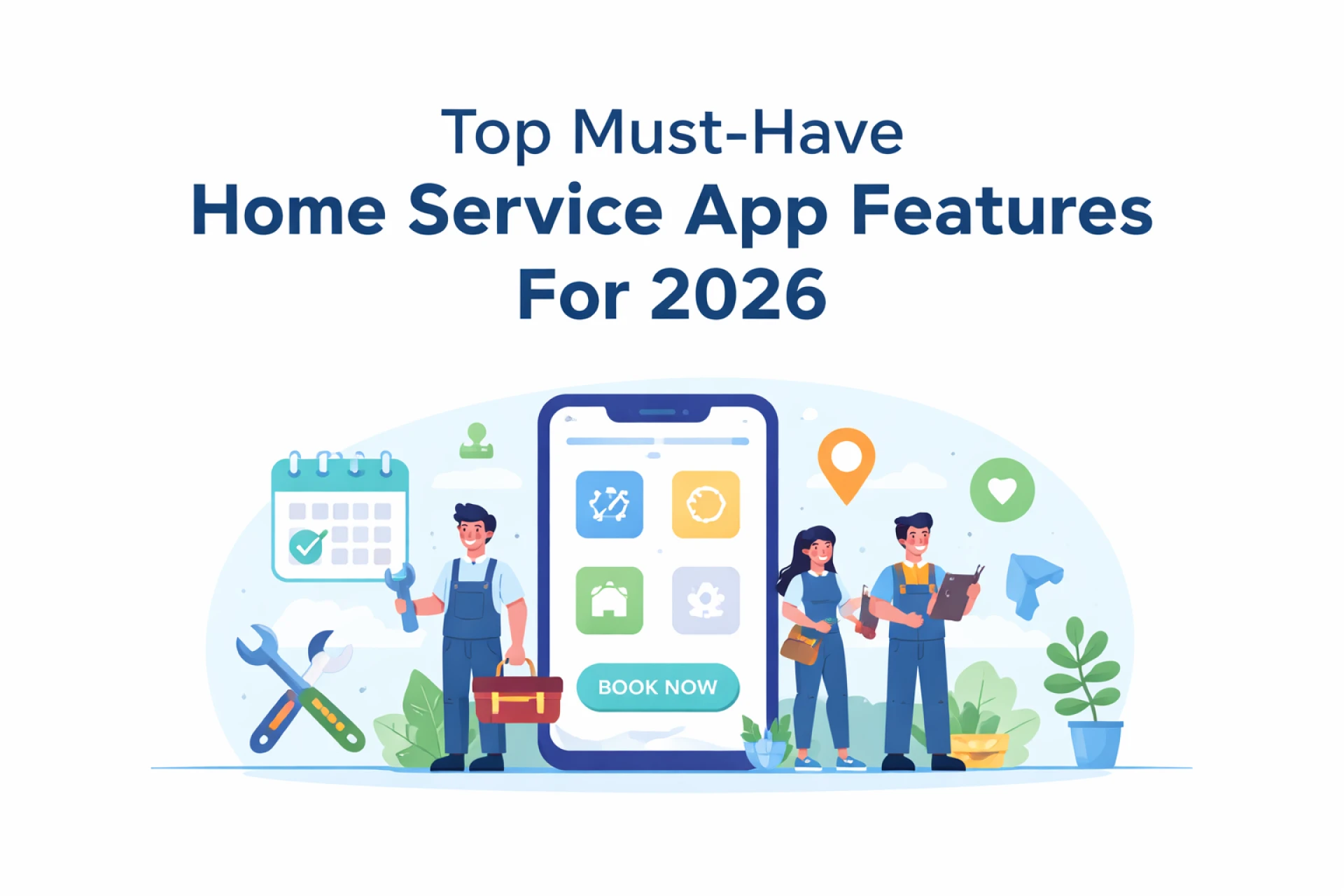

The home services industry is undergoing a massive digital transformation. From booking an electrician to scheduling a deep home cleaning, users now expect fast, reliable, and seamless mobile app experiences. As we move into 2026, customer expectations, technology standards, and competition are higher than ever. A basic on-demand service app is no longer enough—businesses must offer smart, intuitive, and feature-rich platforms to stay relevant.
Whether you are a startup, aggregator, or established service provider, understanding the must-have home service app features for 2026 can help you build a future-ready product. In this article, we explore the most essential features that modern home service apps must include to deliver exceptional user experiences and drive long-term growth.
1. Simple and Secure User Registration
The user journey begins with onboarding. In 2026, customers expect quick and hassle-free sign-ups. Apps should support multiple registration options such as mobile number OTP, email, and social logins.
Security is equally important. Two-factor authentication (2FA), encrypted data storage, and GDPR-compliant privacy controls help build user trust. A smooth onboarding experience ensures users don’t abandon the app before booking their first service.
2. Advanced Service Search & Smart Filters
Users should be able to find services effortlessly. Intelligent search functionality with auto-suggestions, voice search, and category-based browsing improves usability.
Smart filters such as service type, pricing, ratings, availability, distance, and urgency allow customers to narrow down results quickly. AI-powered recommendations based on user behavior and previous bookings are becoming a standard feature in leading home service apps.
3. Real-Time Service Provider Availability
In 2026, users expect transparency and instant updates. Real-time availability allows customers to see which service professionals are online, nearby, and ready to accept jobs.
This feature reduces booking delays and improves customer satisfaction. It also helps service providers manage their schedules efficiently, avoiding overbooking or missed opportunities.
4. In-App Booking & Scheduling Flexibility
Flexible scheduling is a must-have feature for modern home service apps. Users should be able to book services instantly or schedule them for later dates and times.
Advanced apps also offer recurring bookings for services like cleaning, pest control, or maintenance. Calendar integrations, reminders, and rescheduling options ensure a seamless experience for both customers and service providers.
5. Transparent Pricing & Instant Cost Estimates
One of the biggest concerns for customers is pricing clarity. Home service apps in 2026 must provide upfront cost estimates, detailed service breakdowns, and optional add-ons.
Dynamic pricing based on location, demand, urgency, or time slots should be clearly communicated. This transparency builds trust and reduces disputes after service completion.
6. Secure In-App Payments & Multiple Payment Options
A robust payment system is critical. Apps should support multiple payment methods including UPI, credit/debit cards, digital wallets, net banking, and “pay later” options.
Secure payment gateways, automated invoices, and refund management are essential. Tokenization and end-to-end encryption help ensure safe transactions, especially when handling sensitive financial data.
7. Live Tracking & Real-Time Notifications
Live tracking allows customers to monitor the arrival of service professionals, similar to ride-hailing apps. This feature reduces anxiety and improves overall experience.
Push notifications for booking confirmations, service status updates, provider arrival, and payment receipts keep users informed at every stage. Personalized notifications based on user preferences add extra value.
8. Verified Service Providers & Profile Management
Trust plays a crucial role in home services. Apps must display verified profiles of service providers, including photos, skills, certifications, experience, and background verification status.
For providers, profile management features such as availability toggles, service pricing, earnings dashboards, and performance insights help them operate efficiently and stay engaged on the platform.
9. Ratings, Reviews & Feedback System
User-generated reviews and ratings help new customers make informed decisions. A transparent feedback system encourages service quality and accountability.
Advanced sentiment analysis can help businesses identify recurring issues and improve service standards. Allowing users to upload photos or videos as feedback further enhances authenticity.
10. AI-Powered Chat & Customer Support
In 2026, instant support is expected. AI-powered chatbots can handle common queries, booking issues, and cancellations 24/7.
For complex issues, seamless escalation to human support via chat or call is essential. Multilingual support ensures wider reach, especially for apps targeting diverse regions.
11. Smart Matching Algorithm
AI-driven smart matching connects customers with the most suitable service provider based on location, skills, ratings, and availability.
This not only improves service quality but also increases provider satisfaction by assigning relevant jobs. A reliable matching system is a key differentiator for any home services app development company aiming to scale successfully.
12. Service History & Digital Documentation
Users should have access to complete service history, invoices, warranties, and receipts in one place. This feature is especially useful for recurring maintenance and long-term services.
Digital documentation improves transparency and helps users track expenses over time, adding long-term value to the app.
13. Admin Dashboard & Analytics
A powerful admin panel is crucial for managing users, providers, bookings, payments, and disputes. Real-time analytics provide insights into user behavior, peak demand times, popular services, and revenue trends.
These insights help businesses make data-driven decisions, optimize operations, and plan marketing strategies effectively.
14. Multi-Platform & Android Optimization
With Android dominating the global smartphone market, performance optimization is critical. Apps should load fast, work smoothly on low-end devices, and support offline functionality where possible.
Partnering with experts offering reliable android app development services ensures better performance, scalability, and long-term maintainability of the application.
15. Scalability, Security & Future-Ready Architecture
As your business grows, your app should scale effortlessly. Cloud-based infrastructure, modular architecture, and API-driven development help support future expansions.
Security features such as role-based access control, data encryption, fraud detection, and regular updates are non-negotiable in 2026.
Final Thoughts
The home services industry is becoming increasingly competitive, and customer expectations are rising rapidly. Building a successful home service app in 2026 requires more than just basic booking functionality—it demands intelligence, automation, transparency, and exceptional user experience.
Choosing the right home services app development company can make all the difference. With the right features, strong technical foundation, and user-first approach, your app can stand out, build trust, and achieve long-term success in the evolving digital marketplace.




























Sign in to leave a comment.