
Introduction
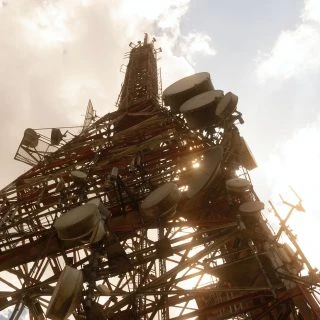
For most people, towers are just steel structures on city rooftops or open fields. They look plain, but they carry much of India’s digital life. Phones, internet, payments, even emergency systems depend on them.
Over the last decade, tower companies have moved beyond being passive owners of sites. They are now central to India’s digital economy. Behind affordable data, wider coverage, and the rollout of 5G, tower companies play a bigger role than most people notice.
Towers as Infrastructure, Not Just Assets
Infrastructure companies are usually linked with highways, bridges, or power plants. Towers don’t fit that image. They are connectors. Every call, every digital payment, every online service relies on them.
A tower company in India today acts more like a digital infrastructure provider. When a metro line or highway is built, it changes how people and goods move. When towers expand into rural areas, they change how people connect and do business. The impact is just as large.
But towers are not easy to build or maintain. Land is costly, energy use is high, and operations in remote areas are difficult. Even so, companies keep pushing because demand for data keeps growing.
Why India Needed Specialized Tower Companies
Telecom operators first built their own towers. That worked for a while but soon became too expensive. Tower companies came in to share resources across operators.
The change was about more than saving costs. It created stability. If one operator fails, the tower still functions. If a new one enters, it can lease space. The model is predictable, but the impact is wide.
India now has one of the largest shared tower networks in the world. This came from regulation, business need, and the reality of data growth.
Towers and the Rural Challenge
5G in major cities gets attention, but rural coverage is the real test. Most of India’s population still lives outside cities. Many areas had weak or no signal until recently. A single tower in such a place can change daily life. Farmers check prices. Students access lessons. Shops accept digital payments.
The problem is cost. Revenue per user in rural areas is low, and building towers there is not always profitable. Some projects depend on subsidies. Others rely on long-term bets. The risk of not building is greater. Leaving rural areas disconnected only widens the gap.
Energy, Sustainability, and the Tower Footprint
Towers use large amounts of power. Many depend on diesel generators where grid power is unreliable. This adds to emissions.
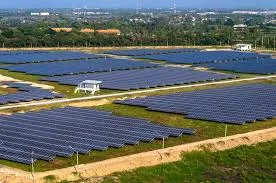
Some companies now use solar hybrids, better batteries, and efficient designs. In a few cases, extra solar power from towers supports nearby homes. Not every attempt works, but reducing diesel dependence cuts costs and lowers risks.
Sustainability here is not just about public image. It is tied to survival. Fuel costs are high, and companies that switch to cleaner energy gain stability.
Towers and the 5G Race
5G needs denser networks of towers than earlier technologies. That means more work for tower companies. Some are ready, others face financial and regulatory limits. For India to grow as a digital hub, tower networks must expand and adapt.
Rural areas may not see fast adoption of 5G, but industries in cities will. Logistics, healthcare, and manufacturing are likely to benefit first. Over time, the effects will reach beyond cities.
The Future Role of Tower Companies
The line between a tower company in India and an infrastructure company is blurring. Towers already host telecom gear, IoT devices, and renewable systems. Some are adding edge computing to reduce delays in data processing.
If this trend continues, tower companies will move from being landlords to digital utilities. This is not certain, but the potential is clear.
Final Thoughts
Infrastructure companies adapt in different ways. Some resist change. Others evolve. Tower companies in India are part of the second group. They are not glamorous, but they are essential.
We often credit telecom operators for India’s connectivity growth. But without towers, nothing functions. Each time you pass a tower on a highway or a field, it is worth remembering how much depends on it.

























Sign in to leave a comment.