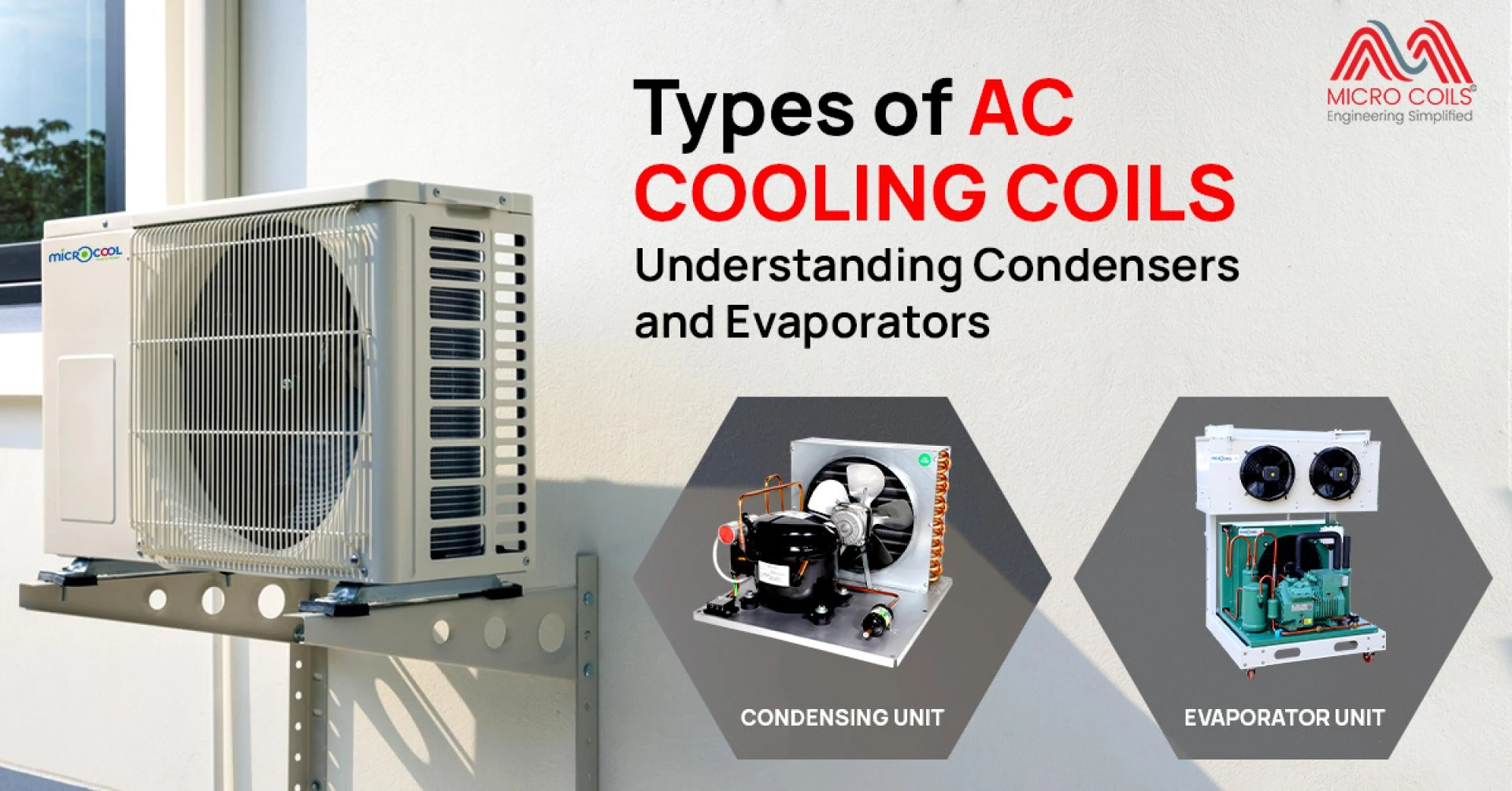

Air conditioning systems rely on two critical cooling coils: condensers and evaporators. Each plays a unique role in the cooling process. Let's understand how these AC cooling coils work and their different types.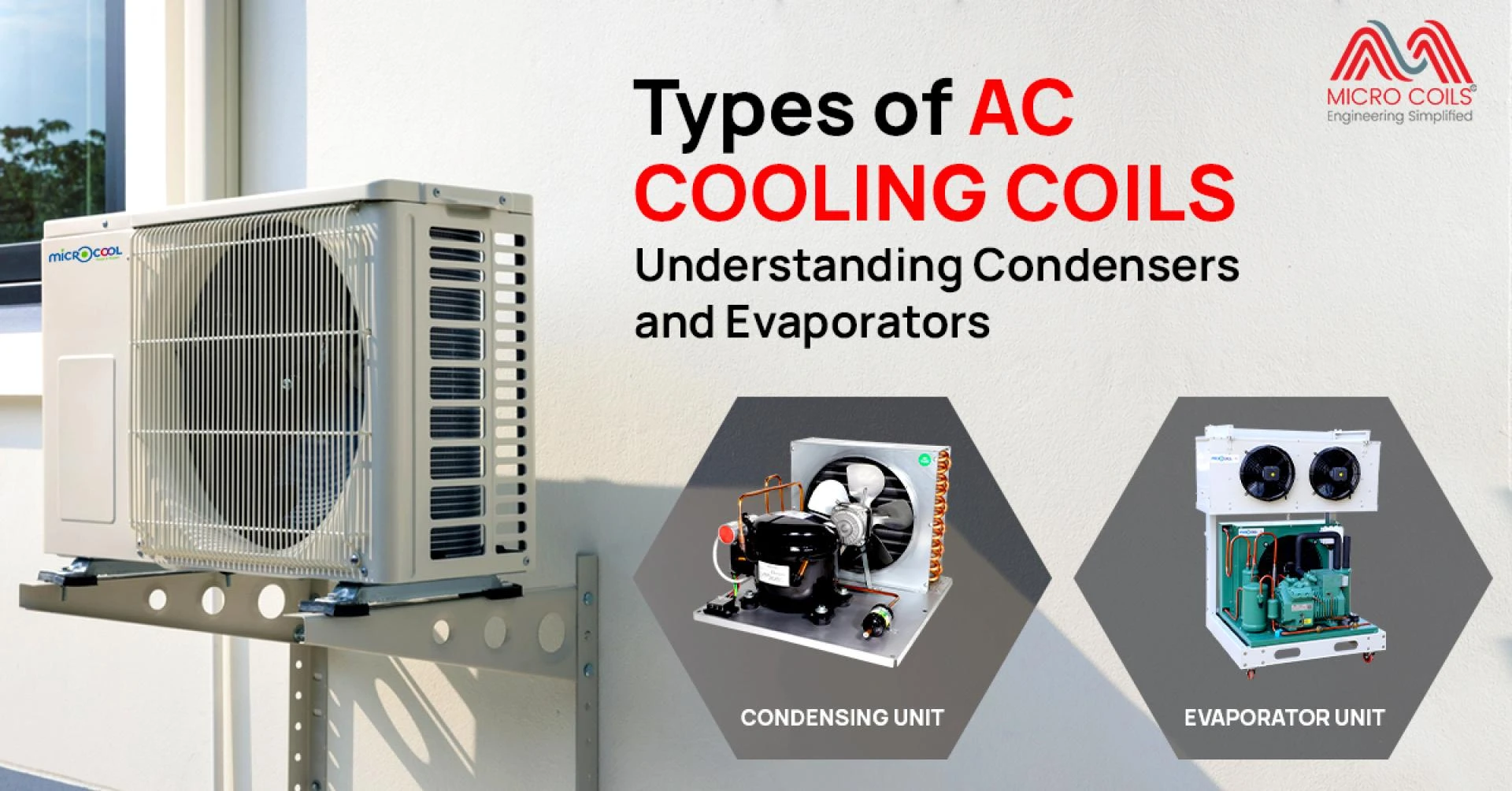
Evaporator Coils
The evaporator sits inside your home, quietly absorbing heat from indoor air. Think of it as the cold side of your AC system. Let's explore the main types:
A-Shaped Evaporator Coils work most commonly in residential systems. Shaped like the letter A, they provide excellent surface area for cooling while fitting neatly in tight spaces. The angled design helps water drain naturally, reducing maintenance needs. These coils work efficiently with both heat pumps and standard AC units.
Slab or Plate Evaporator Coils take a more rectangular shape. Often found in smaller systems or where space runs tight, they mount vertically in air handlers. Though they might offer less surface area than A-coils, their simple design makes cleaning easier. Many apartment units use these for their compact size.
N-Shaped Evaporator Coils offer an interesting middle ground. They provide more cooling surface than slab coils while taking up less space than A-coils. This design works well in systems needing high efficiency in limited space.
Condenser Coils
Located in your outdoor unit, ac condenser coils release heat collected from your home. Their design affects both efficiency and durability. Here are the main types:
Fin-and-Tube Condensers remain the most common type. Copper tubes carry refrigerant while aluminum fins help transfer heat to passing air. This tried-and-true design balances cost and performance well. Regular cleaning keeps them working efficiently.
Microchannel Condensers represent newer technology. They use all-aluminum construction with very small refrigerant passages. This design transfers heat more efficiently than traditional fin-and-tube types. They also use less refrigerant and resist corrosion better. However, they cost more initially.
Tube-in-Tube Condensers see use in special applications. One tube sits inside another, with refrigerant flowing through the inner tube and cooling water through the outer space. These work well in water-cooled systems but need more maintenance than air-cooled types.
Material Choices Matter
Copper tubes with aluminum fins dominated the market for years. This combination works well but can suffer from galvanic corrosion over time. Modern coils often use all-aluminum construction to avoid this issue. Some premium systems use copper for both tubes and fins, offering excellent heat transfer at higher cost.
Efficiency Considerations
Coil design affects system efficiency significantly. Larger coils generally work more efficiently but cost more. Multiple rows of tubes can improve performance but increase air resistance. Good designs balance these factors carefully.
Proper sizing proves crucial for both coils. Undersized evaporators might not cool effectively, while oversized ones might not dehumidify well. Condenser coils must match system capacity to work efficiently.
Maintenance Needs
Both coils need regular care to work their best. Evaporators need good drainage to handle condensation. Clean them regularly to prevent mold and maintain efficiency. Check drain pans and lines often.
Recommended Read - Your Ultimate Difference Between Dry Coolers and Chillers
Condenser coils need protection from debris and vegetation. Clean them gently with appropriate cleaners. Bent fins reduce airflow and efficiency - straighten them carefully when needed.
Installation Considerations
Proper installation affects performance significantly. Evaporators need enough airflow across all surfaces. Condensers need good airflow and protection from direct sun when possible. Leave enough space around outdoor units for proper air circulation.
Both coils need careful refrigerant charging. Too much or too little refrigerant reduces efficiency and can damage components. Professional installation helps ensure proper operation from the start.
Common Problems and Solutions
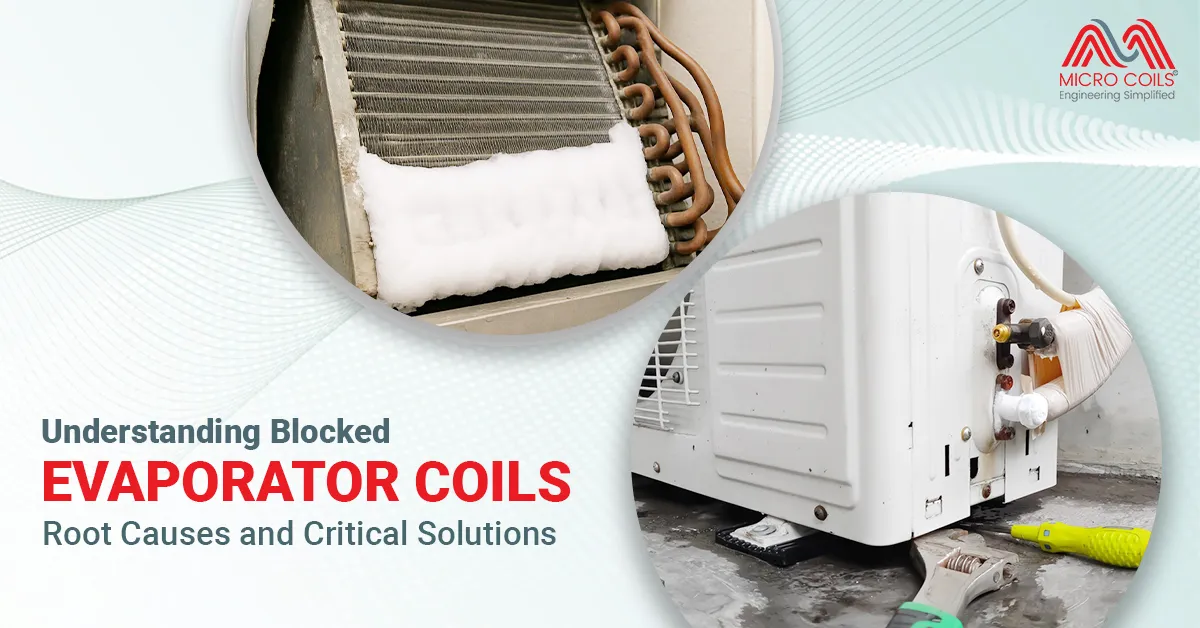
Frozen evaporator coils often indicate airflow problems or low refrigerant. Fix these issues in cooling solutions promptly to prevent damage. Dirty coils reduce efficiency and stress other components - regular cleaning prevents many problems.
Condenser coil damage often comes from outside sources like hail or lawn equipment. Protective covers help but shouldn't restrict airflow during operation. Address leaks quickly to prevent refrigerant loss.
Choosing the Right Coils
Select coils based on your specific needs. Consider:
- System size and capacity requirements
- Available space for installation
- Local climate conditions
- Budget constraints
- Maintenance capabilities
Remember, proper matching between indoor and outdoor coils ensures best performance. Work with qualified professionals when selecting replacement coils.
The right coils make a big difference in your AC system's performance and efficiency. Understanding their types helps make better choices for installation or replacement. Regular maintenance keeps them working efficiently for years to come.

























Sign in to leave a comment.