
In the digital age, user interface (UI) and user experience (UX) design have become crucial aspects of creating successful products and services. UI/UX design focuses on enhancing user satisfaction by improving the usability, accessibility, and pleasure provided in the interaction between the user and the product. This beginner's guide aims to demystify UI/UX design, explaining its concepts, principles, and processes.
Introduction to UI/UX Design
UI/UX design is a multidisciplinary field that combines elements of psychology, visual design, and technology to create intuitive and user-friendly interfaces. It involves understanding the users' needs and behaviors to design interfaces that meet their expectations and enhance their overall experience.
Understanding User Interface (UI)
Importance of UI Design
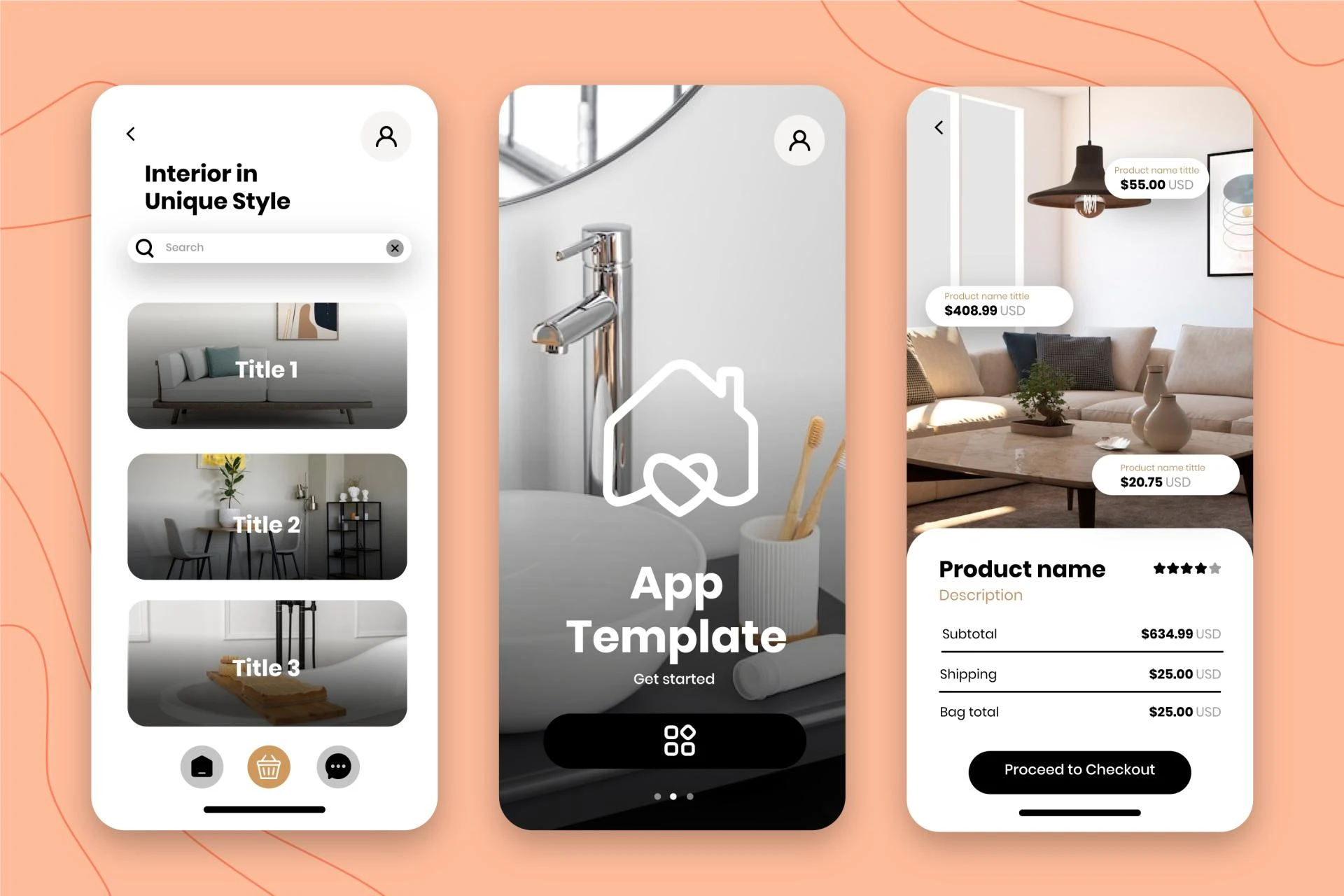
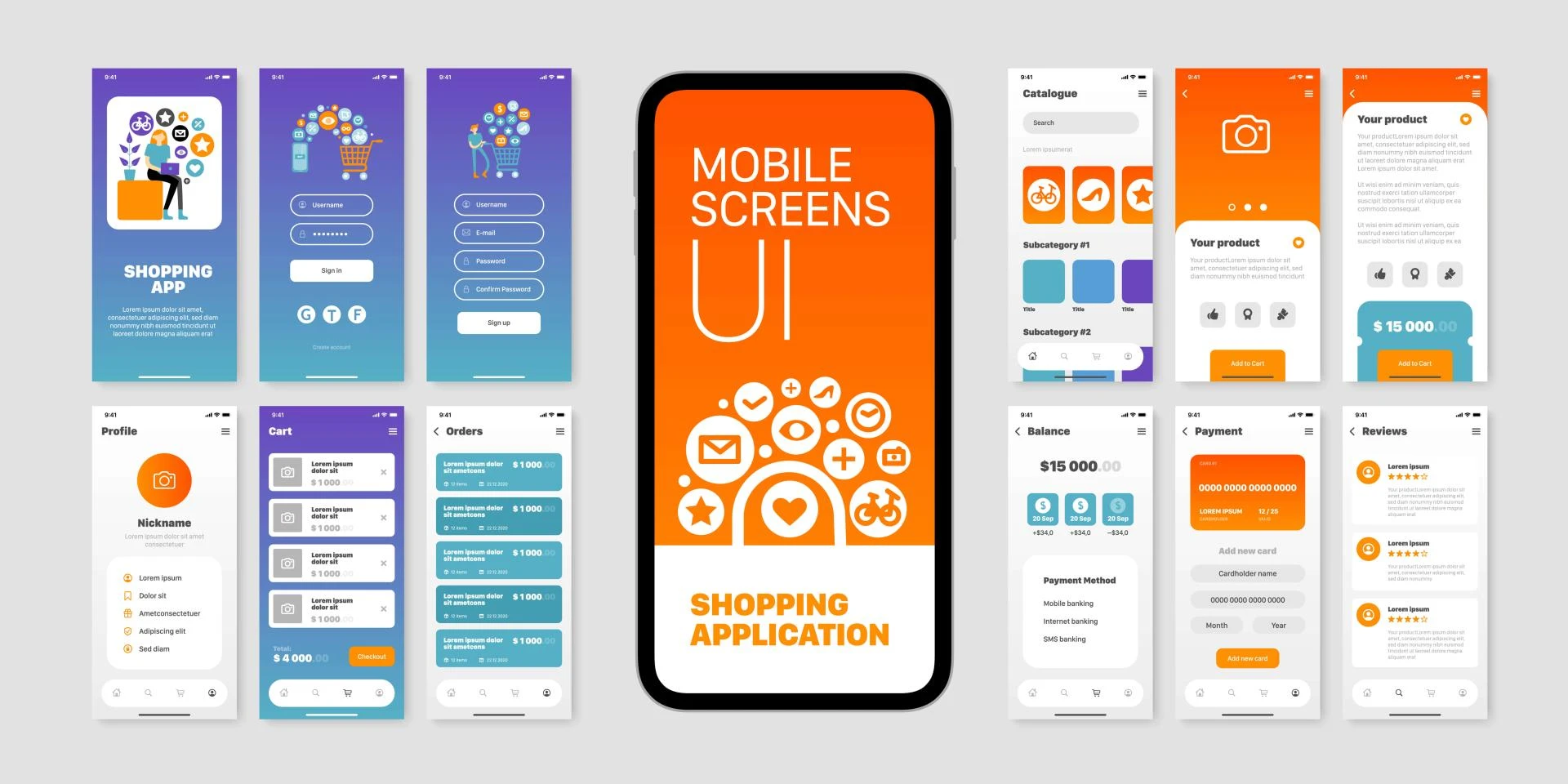
UI design focuses on the aesthetics of the interface, ensuring that it is visually appealing and easy to use. A well-designed UI can enhance user satisfaction and make the product more enjoyable to use.
Elements of UI Design
UI design involves various elements, including layout, typography, color schemes, and interactive elements. These elements work together to create a visually appealing and functional interface.
Understanding User Experience (UX)
Importance of UX Design
UX design focuses on the overall experience of the user, including how easy it is to use the interface, how enjoyable the experience is, and how well it meets the user's needs. A well-designed UX can lead to higher user satisfaction and increased loyalty to the product.
Elements of UX Design
UX design involves various elements, including usability, accessibility, and emotional design. These elements work together to create a seamless and enjoyable user experience.
The Relationship between UI and UX
While UI and UX are often used interchangeably, they are distinct concepts. UI focuses on the look and feel of the interface, while UX focuses on the overall experience of the user. However, both are essential for creating successful products and services.
Key Principles of UI/UX Design
Consistency
Consistency is key to a good UI/UX design. It ensures that users can easily navigate the interface and know what to expect from different elements.
Simplicity
Simplicity is crucial in UI/UX design. A simple interface is easier to use and less likely to confuse users.
Accessibility
Accessibility is essential in UI/UX design. It ensures that the interface can be used by people with disabilities or special needs.
Feedback
Feedback is important in UI/UX design. It lets users know that their actions have been recognized and helps them understand the interface better.
Flexibility
Flexibility is crucial in UI/UX design. It allows users to customize the interface to suit their needs and preferences.
Visual Hierarchy
Visual hierarchy is important in UI/UX design. It helps users understand the relative importance of different elements on the interface.
The UI/UX Design Process
The UI/UX design process involves several stages, including research, wireframing, prototyping, testing, and implementation. Each stage is essential for creating a successful design.
Research
Research is the first step in the UI/UX design process. It involves understanding the users' needs, behaviors, and preferences.
Wireframing
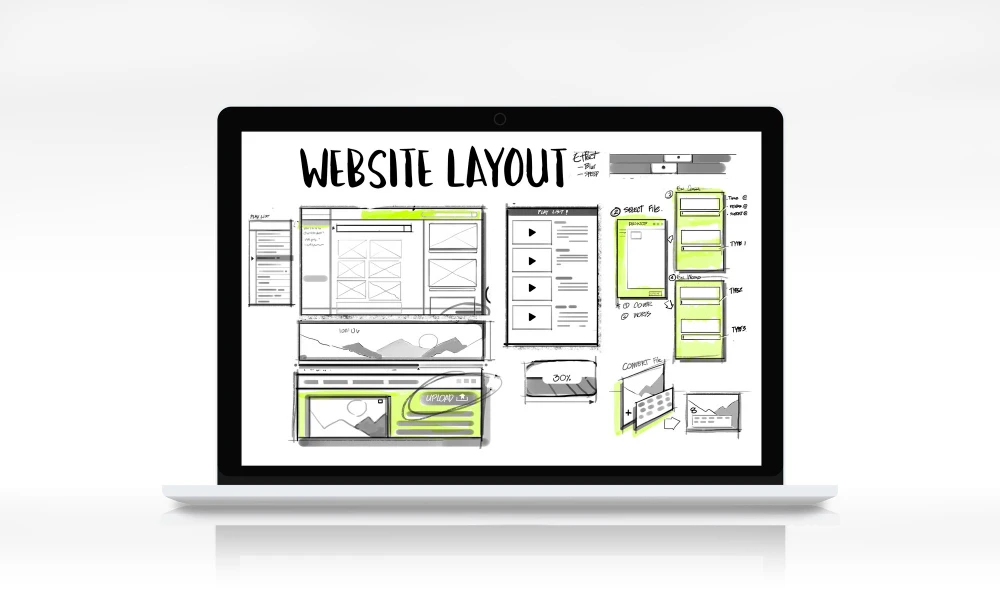
Wireframing is the second step in the UI/UX design process. It involves creating a basic layout of the interface, including the placement of elements and the overall structure.
Prototyping
Prototyping is the third step in the UI/UX design process. It involves creating a more detailed version of the interface, including interactive elements and visual design.
Testing
Testing is the fourth step in the UI/UX design process. It involves gathering feedback from users and making improvements to the design based on their feedback.
Implementation
Implementation is the final step in the UI/UX design process. It involves finalizing the design and preparing it for launch.
Tools for UI/UX Design
There are several tools available for UI/UX design, including Sketch, Adobe XD, Figma, and InVision. These tools help designers create and test their designs more efficiently.
Common UI/UX Design Mistakes to Avoid
There are several common UI/UX design mistakes that designers should avoid, including poor navigation, inconsistent design, and lack of accessibility.
Future Trends in UI/UX Design
The future of UI/UX design is exciting, with trends such as voice user interfaces, augmented reality, and personalized experiences shaping the way we interact with digital products and services.
Conclusion
UI/UX design is a dynamic and evolving field that plays a crucial role in creating successful digital products and services. By understanding the principles and processes of UI/UX design, beginners can create interfaces that are intuitive, user-friendly, and enjoyable to use.
Visit my Upwork project catalog : Elementor Developer
























Sign in to leave a comment.