
In the digital age, a landing page is often the first interaction a potential customer has with your brand. It's your virtual storefront, your digital handshake, and your chance to make a lasting impression. But with attention spans shrinking and competition growing, how can you ensure your landing page not only captures attention but also converts visitors into customers? The answer lies in innovative UI/UX design techniques that transform landing page services from mere web pages into powerful conversion tools.
Understanding UI/UX in the Context of Landing Pages
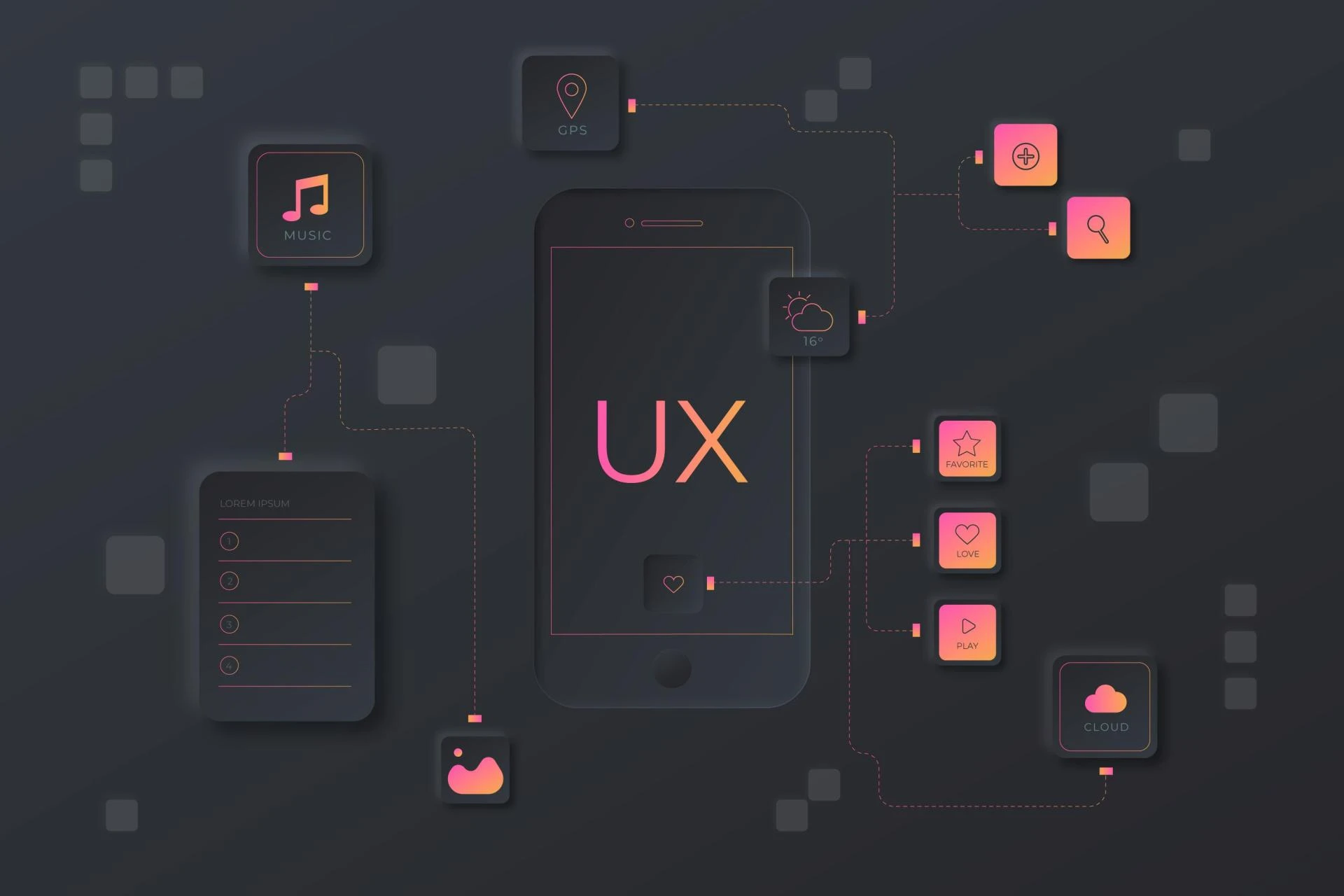
Before diving into specific techniques, it's crucial to understand the roles of UI (User Interface) and UX (User Experience) in landing page design. UI focuses on the visual elements of the page – the colors, typography, images, and overall layout. UX, on the other hand, deals with how users interact with these elements and the overall feel of navigating the page.
For landing pages, UI and UX work in tandem to create an environment that's not only visually appealing but also intuitive, engaging, and persuasive. The goal is to guide visitors smoothly towards a desired action, whether it's signing up for a newsletter, making a purchase, or requesting more information.
Key UI/UX Design Techniques for Transformative Landing Pages
1. Minimalist Design with Strategic Use of White Space
In the realm of landing page design, less is often more. A minimalist approach, characterized by ample white space and a clean layout, helps focus the visitor's attention on key elements. This technique reduces cognitive load, making it easier for users to process information and make decisions.
Strategic use of white space can draw attention to calls-to-action (CTAs), highlight important features, and create a sense of sophistication. However, it's important to strike a balance – too much white space can make a page feel empty or incomplete.
2. Responsive Design for Seamless Multi-Device Experience
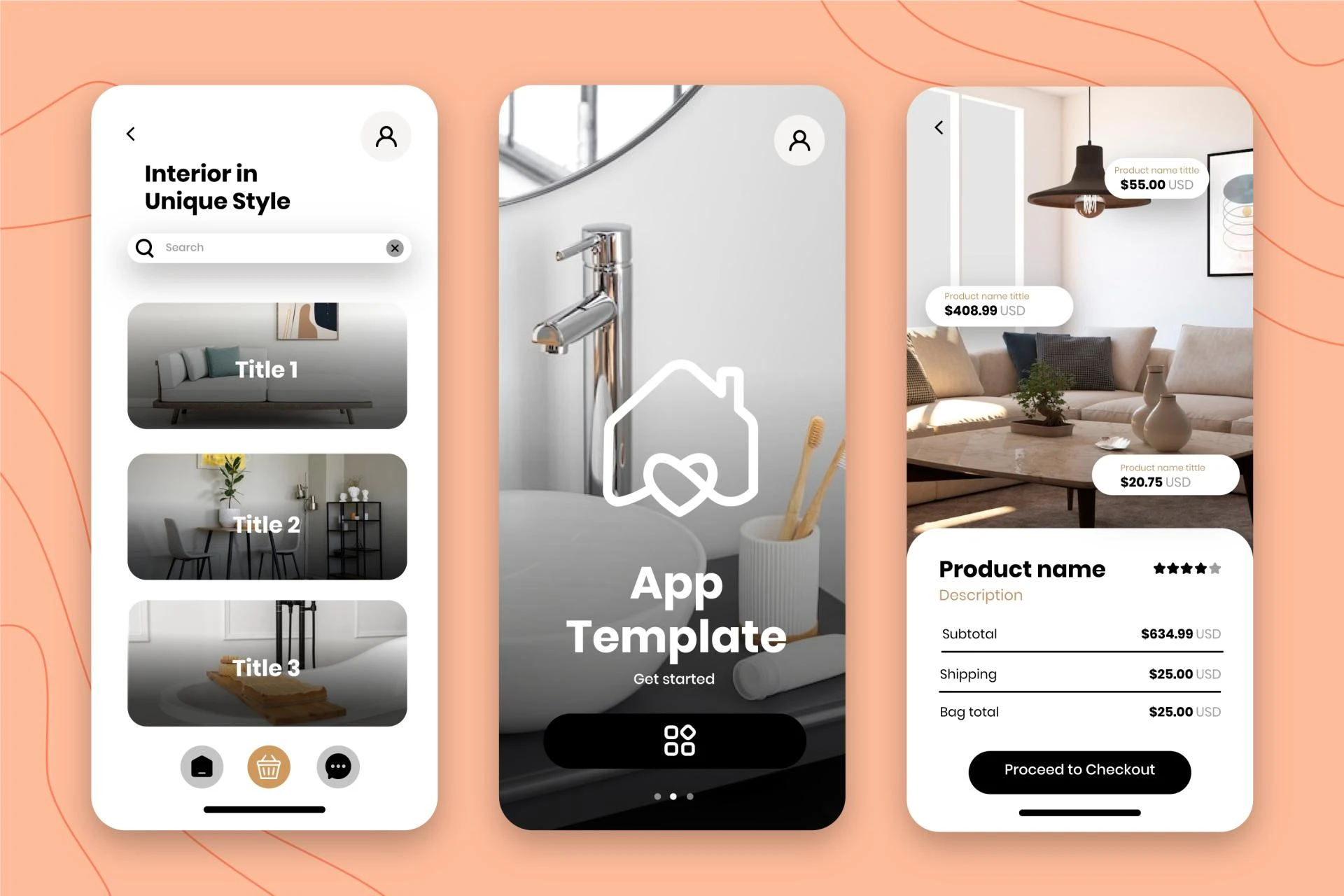
With users accessing websites from a variety of devices, responsive design is no longer optional – it's essential. A responsive landing page automatically adjusts its layout and content to provide an optimal viewing experience across desktops, tablets, and smartphones.
This technique ensures that your message and CTAs are easily accessible regardless of the device, potentially increasing your conversion rates across all platforms.
3. Micro-interactions for Enhanced Engagement
Micro-interactions are subtle animations or feedback mechanisms that occur when a user interacts with your page. These can include hover effects on buttons, loading animations, or subtle movements in icons or images.
When used judiciously, micro-interactions can make your landing page feel more dynamic and responsive, encouraging users to explore and interact with your content. They can also provide valuable feedback, confirming user actions and guiding them through the conversion process.
4. Personalization and Dynamic Content
One-size-fits-all approaches are becoming increasingly ineffective in the digital marketing landscape. Personalization techniques allow you to tailor your landing page content based on user data, such as location, browsing history, or previous interactions with your brand.
Dynamic content can change in real-time, displaying different headlines, images, or offers based on user segments. This level of personalization can significantly increase relevance and, consequently, conversion rates.
5. Storytelling Through Visual Hierarchy
Effective landing pages tell a story – about your product, service, or brand. Visual hierarchy is a powerful tool in this storytelling process. By strategically arranging elements on the page, you can guide the user's eye through your narrative, from problem to solution to call-to-action.
Use size, color, contrast, and positioning to emphasize key points and create a clear path for the user to follow. This technique not only makes your page more engaging but also more persuasive.
6. Simplified Forms and Progressive Disclosure
Forms are often necessary for capturing user information, but they can also be a significant point of friction. Simplify your forms by asking only for essential information upfront. Use progressive disclosure techniques to reveal additional fields only when necessary, reducing the perceived complexity of the signup process.
Consider using multi-step forms for longer processes, breaking them into manageable chunks that feel less overwhelming to users.
7. Social Proof and Trust Signals
Incorporating social proof elements, such as customer testimonials, user ratings, or logos of well-known clients, can significantly boost the credibility of your landing page. Trust signals, like security badges or money-back guarantees, further reassure visitors about the safety and quality of your offering.
Strategically place these elements near your CTAs to provide that final push towards conversion.
8. Speed Optimization for Instant Gratification
In today's fast-paced digital world, speed is crucial. A slow-loading landing page can significantly increase bounce rates and decrease conversions. Optimize your page load time by compressing images, minimizing HTTP requests, and leveraging browser caching.
Consider using techniques like lazy loading for images and implementing a content delivery network (CDN) to ensure your page loads quickly for users across different geographical locations.
9. A/B Testing for Continuous Improvement
Perhaps the most powerful technique in the UI/UX designer's toolkit is A/B testing. This involves creating multiple versions of your landing page, each with slight variations in design elements, copy, or layout. By testing these versions with real users, you can gather data on which elements perform best in terms of engagement and conversions.
Continuous A/B testing allows for data-driven decision-making and ongoing optimization of your landing page performance.
10. Accessibility Design for Inclusive User Experience
An often overlooked aspect of UI/UX design is accessibility. Ensuring your landing page is accessible to users with disabilities not only expands your potential audience but also improves the overall user experience for everyone.
Implement techniques such as proper color contrast, keyboard navigation, and descriptive alt text for images. These practices make your landing page more inclusive and can also positively impact your SEO efforts.
Conclusion
Transforming landing page services through innovative UI/UX design techniques is not just about creating visually appealing pages. It's about crafting experiences that resonate with users, guide them effortlessly towards conversion, and leave a lasting positive impression of your brand.
By implementing minimalist design, responsive layouts, micro-interactions, personalization, storytelling through visual hierarchy, simplified forms, social proof, speed optimization, A/B testing, and accessibility design, you can create landing pages that not only capture attention but also drive meaningful results.
Remember, the most effective landing pages are those that evolve. Stay attuned to user feedback, industry trends, and emerging technologies. Continuously refine and optimize your approach to ensure your landing pages remain powerful tools in your digital marketing arsenal.
In the ever-changing digital landscape, mastering these UI/UX design techniques will set your landing pages apart, transforming them from mere web pages into dynamic, persuasive, and highly effective conversion machines.
My Fiver link for : Figma Landing Page Design Service























Sign in to leave a comment.