
Introduction
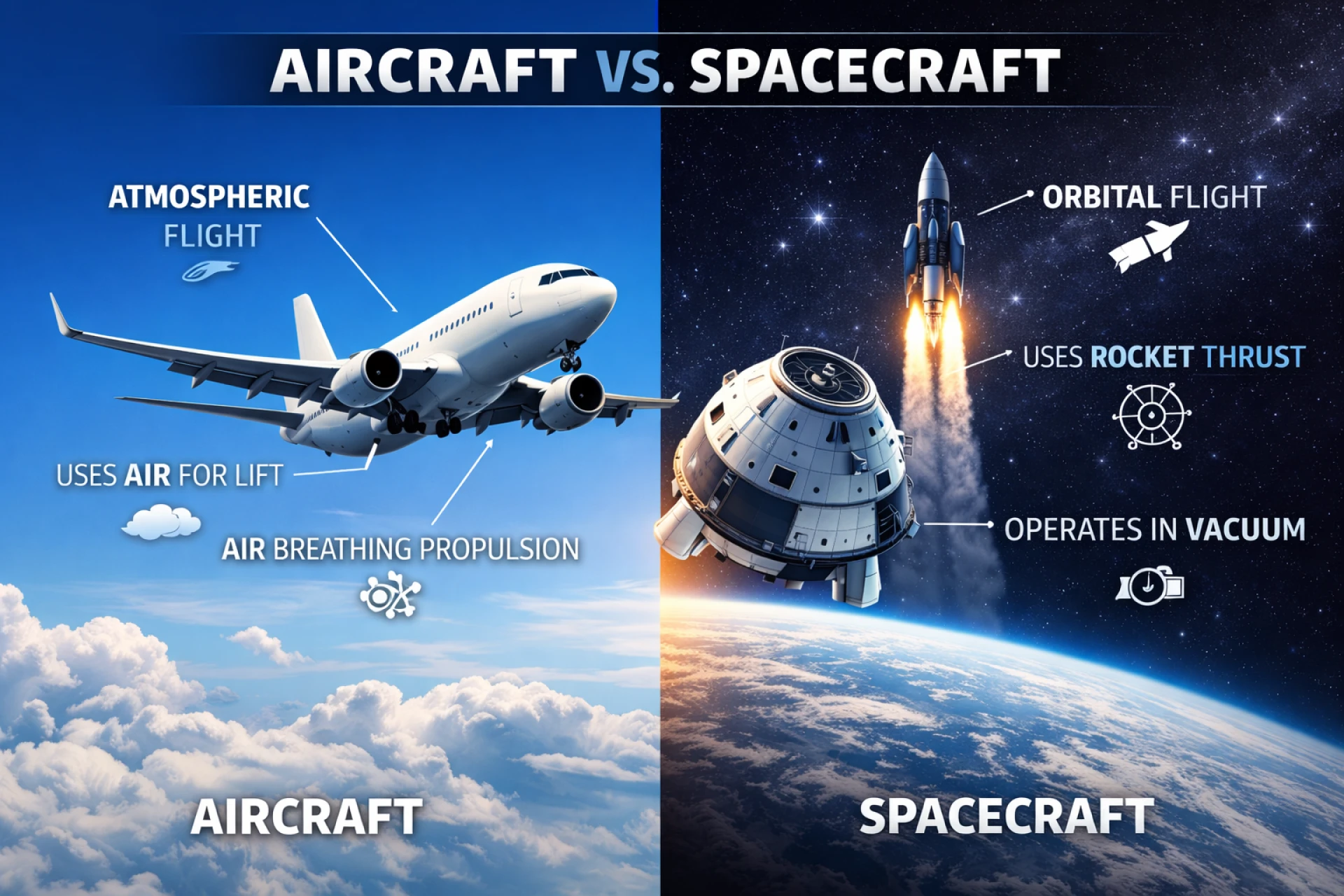
Aerospace systems rely on precision-engineered components to ensure smooth and reliable operation. Among these components, bearings play a critical role in allowing moving parts to function efficiently while minimizing friction and wear. Aerospace bearings are specially designed to perform under extreme conditions such as high speeds, heavy loads, temperature variations, and intense vibrations. These components are essential in ensuring the safety and performance of both aircraft and spacecraft.
What Are Aerospace Bearings?
Bearings are mechanical components that support rotating or moving parts while reducing friction between surfaces. In aerospace applications, bearings are designed with high precision and durability to handle the demanding environment of aviation. They enable smooth motion in many aircraft systems, helping improve efficiency and extend the lifespan of mechanical components.
Importance of Bearings in Aircraft Systems
Aircraft contain many moving parts that require consistent and reliable motion. Bearings help ensure that these parts operate smoothly without excessive wear. By reducing friction, bearings improve the efficiency of engines, landing gear, flight control systems, and other mechanical assemblies. Their reliability is essential because even minor failures can impact aircraft performance and safety.
Types of Aerospace Bearings
Several types of bearings are commonly used in aerospace applications, each designed for specific functions.
Ball Bearings
Ball bearings are widely used in aerospace systems due to their ability to support both radial and axial loads. They are commonly found in aircraft engines, instruments, and control systems where smooth rotation and minimal friction are required.
Roller Bearings
Roller bearings are designed to support heavier loads compared to ball bearings. These bearings are often used in landing gear systems and other areas where strong load-bearing capability is necessary.
Plain Bearings
Plain bearings, also known as sleeve bearings, are simple components that support sliding motion between surfaces. They are frequently used in aircraft control systems and structural components where rotational movement is limited.
Thrust Bearings
Thrust bearings are designed to handle axial loads that act parallel to the shaft. These bearings are often used in engine assemblies and rotor systems where strong axial support is required.
Materials Used in Aerospace Bearings
Aerospace bearings are manufactured using high-performance materials that can withstand harsh operating conditions. Stainless steel, titanium alloys, and ceramic materials are commonly used due to their strength, durability, and resistance to corrosion. In some advanced aerospace systems, hybrid bearings combining steel and ceramic elements are used to improve performance and reduce weight.
Applications of Aerospace Bearings
Bearings are used in numerous aircraft systems and components. In aircraft engines, they support rotating shafts and ensure smooth engine operation. Landing gear assemblies rely on bearings to allow controlled movement during takeoff and landing. Bearings are also used in flight control systems, navigation equipment, and auxiliary systems that require precise mechanical motion.
Maintenance and Inspection
Proper maintenance of aerospace bearings is essential to ensure safe aircraft operation. Regular inspections help detect signs of wear, corrosion, or damage that could lead to failure. Lubrication and proper installation are also critical factors that help maintain bearing performance and extend their service life.
Conclusion
Aerospace bearings are vital components that support the smooth and efficient operation of many aircraft systems. By reducing friction and supporting moving parts, these components help improve reliability, safety, and overall performance. As aviation technology continues to advance, the development of stronger and more efficient bearings will remain an important part of modern aerospace engineering.






























Sign in to leave a comment.