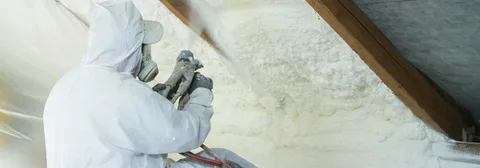

In attic insulation, R-value is the standard measure of a material's ability to resist heat flow. The "R" stands for resistance, so a higher R-value means better thermal performance. This is incredibly important in an attic because a significant amount of a home's energy loss, both in winter and summer, happens through the roof. Having the correct R-value in an attic helps keep heated air inside during the winter and hot air out during the summer, leading to lower energy bills and a more comfortable home. However, while R-value is a critical number, it's not the only factor that determines how well an attic performs.
This article will explain what R-value really means, what levels are recommended for different climates, and why it must be combined with proper air sealing to be truly effective. The information is based on the practical experience of certified insulation professionals and building science experts who deal with attic performance issues every day. With a clear understanding of these concepts, homeowners can make better decisions about improving their home's efficiency.
What R-Value Actually Measures
R-value measures an insulation material's resistance to conductive heat transfer. Conduction is the process of heat moving through a solid material, like heat traveling up the handle of a hot pan. In an attic, conductive heat flow is the movement of heat through the insulation itself, the wood joists, and the drywall ceiling. The higher the R-value, the slower this heat transfer will be.
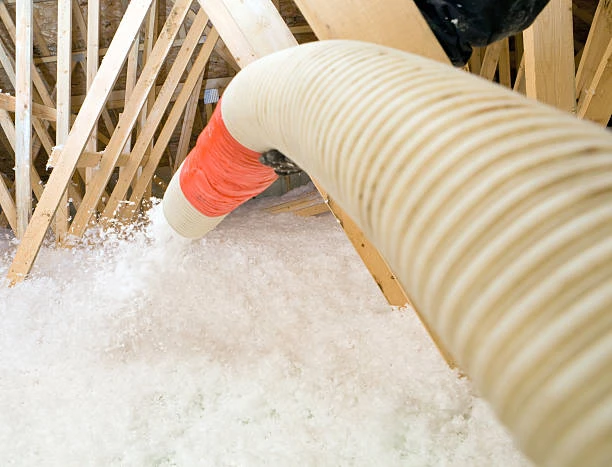
It's important to know that R-value is measured per inch of thickness. Different materials have different R-values per inch. For example, closed-cell spray foam has a high R-value of around R-6.5 per inch, while loose-fill fiberglass might have an R-value of around R-2.5 per inch. This means you would need a much thicker layer of fiberglass to achieve the same total R-value as a thinner layer of spray foam. The final R-value of an attic is the cumulative value of the entire depth of the insulation installed.
Recommended Attic R-Values by Climate Zone
The amount of insulation a home needs depends on its climate. The U.S. Department of Energy (DOE) has divided the country into climate zones to provide recommendations. Colder climates require higher R-values to combat greater temperature differences.

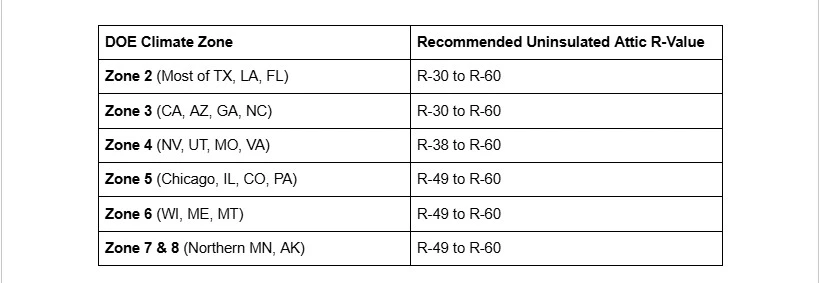
For homeowners in the Chicago area, which is in Zone 5, the recommended attic insulation level is between R-49 and R-60.
- Bonus Tip: A simple way to check your attic's current R-value is with a tape measure. If you have loose-fill insulation, push the tape measure down until it hits the drywall and measure the depth in inches. You can then multiply that number by the estimated R-value per inch for that material (e.g., R-2.5 for older fiberglass) to get a rough idea of your current R-value. If you see the tops of your ceiling joists (which are typically 5.5 to 9.5 inches tall), you almost certainly need more insulation.
Why R-Value Is Not the Whole Story
Achieving a high R-value is essential, but it can be completely undermined if the attic is not properly air sealed. Heat doesn't just move through conduction; it also moves through convection, which is the transfer of heat through air movement. Your attic can have a deep layer of R-60 insulation, but if there are gaps and cracks allowing conditioned air from your home to leak into the attic, you are still losing a massive amount of energy.
Think of it like wearing a thick wool sweater (high R-value) on a windy day. The sweater is warm, but the wind blows right through it, making you cold. Putting on a thin windbreaker (an air barrier) stops the wind and allows the sweater to do its job. In an attic, air sealing is the windbreaker. Common air leakage spots include:
- Gaps around plumbing pipes and electrical wires.
- Openings around chimneys and recessed light fixtures.
- The attic access hatch or pull-down stairs.
- Where interior walls meet the ceiling.
A professional insulation contractor will always air seal these penetrations before adding new insulation. This combination of air sealing and a high R-value is what creates a truly high-performing attic.
Things to Consider Before Upgrading Attic Insulation
Before adding more insulation to your attic, there are a few important factors to think about to ensure you get the best results.
- Existing Insulation: What kind of insulation is already there, and what is its condition? If the existing insulation is wet, moldy, or heavily compacted, it should be removed before new insulation is installed. Wet insulation has no R-value and can lead to structural damage.
- Attic Ventilation: Your attic needs to be properly ventilated with soffit vents and ridge or gable vents to allow moisture to escape. Before adding insulation, make sure these vents are not blocked. Baffles should be installed at the eaves to keep the insulation from covering the soffit vents and to maintain a clear path for airflow.
- Roof Health: Check for any signs of roof leaks. Insulation can hide slow leaks, leading to serious water damage over time. Any roofing issues should be repaired before new insulation is installed.
- Attic Use: Do you plan to use your attic for storage? If so, you may need to build a raised platform to store items on so you don't compress the new, deeper layer of insulation. Compressing insulation significantly reduces its R-value.
Questions People Ask About R-Value and Attics
Can I just add new insulation on top of my old insulation?
Yes, in most cases, you can. As long as the existing insulation is dry and in good condition, you can add more on top of it to reach your target R-value. The R-values are cumulative. For example, if you have an existing R-19 and you add an R-30, you will have a total of R-49.
Does R-value degrade over time?
The R-value of the insulation material itself does not degrade. However, the effective R-value of an attic can decrease if the insulation settles, gets compressed, or becomes damaged by moisture or pests. This is why it's a good idea to inspect your attic insulation every few years.
Do I need to insulate the attic floor or the roof deck?
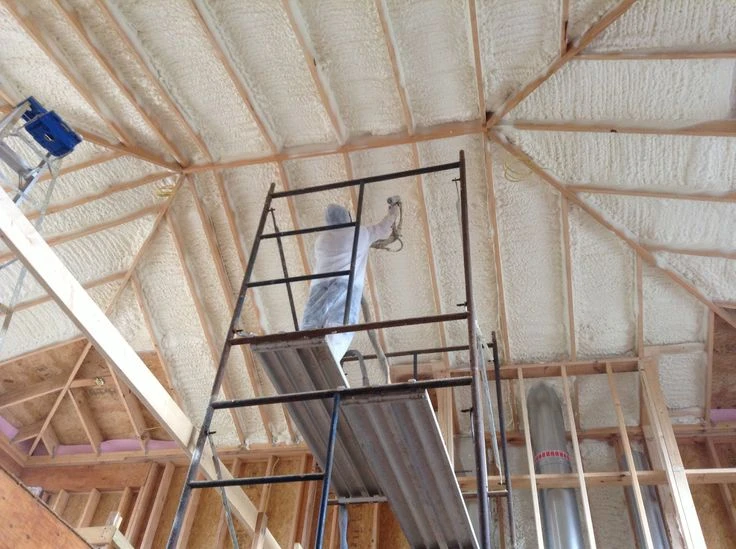
This depends on where your home's thermal boundary is. In most homes with a vented attic, the insulation is on the attic floor to keep the heat in the living space below. In homes with an unvented or "conditioned" attic, the insulation (typically spray foam) is applied to the underside of the roof deck, which brings the attic inside the home's thermal envelope.
Are the wooden ceiling joists a problem for my R-value?
Yes, this is a phenomenon known as "thermal bridging." Wood has a much lower R-value than insulation (about R-1 per inch). Heat can conduct through the joists more easily than through the insulation between them. This is why it's important for loose-fill insulation to be installed deep enough to completely cover the tops of the joists.
Is there such a thing as too much insulation?
From a performance standpoint, you can't really have too much insulation. However, there is a point of diminishing returns. The energy savings you get from going from R-49 to R-60 are much smaller than the savings you get from going from R-19 to R-49. An expert can help determine the most cost-effective R-value for your home.
Achieving True Attic Performance
Understanding R-value is the first step toward a more efficient and comfortable home. It is a critical metric for ensuring your attic has enough thermal resistance for your climate. However, for that insulation to perform at its best, it must be paired with thorough air sealing. This two-part approach is the key to stopping the different ways heat moves, creating a complete barrier between your living space and the outdoors.
Get an Expert Attic Insulation Assessment
If you're unsure about your attic's current R-value or whether it has hidden air leaks, a professional assessment is a wise investment. An expert can use diagnostic tools to measure insulation depth, identify air leakage points, and check for moisture or ventilation issues. The experienced team at South Chicago Insulation can provide a comprehensive attic evaluation. They can help you understand your home's specific needs and recommend the most effective solutions. To schedule an assessment, they can be contacted at (779) 803-8025 or via email at [email protected].
Author: Bob Gasca attended his first spray foam training in 2007 and has since pursued yearly training to stay current. He is a certified Spray Foam Master Installer and a Spray Foam Worldwide Ambassador, specializing in solutions for complex moisture and air infiltration issues.
Reviewer: Noah Gonzalez reviewed this article, drawing on 9 years of experience to offer suggestions that make the guidance more directly useful for insulation contractors.


























Sign in to leave a comment.