

User Experience (UX) and User Interface (UI) design have become critical factors in creating captivating and successful digital experiences. However, understanding the secrets behind creating such experiences can often feel like decoding a complex puzzle. In this guide, we will demystify the secrets behind UX/UI design, unveiling the principles and strategies that drive captivating user experiences. By the end, you will have the knowledge and tools to create designs that leave a lasting impact on your users.
User-Centric Design: Putting Users at the Heart of Your Design ProcessUser-centric design is the foundation of captivating user experiences. It involves understanding your target audience, their needs, goals, and pain points. Conduct user research, surveys, and interviews to gain insights into user preferences and behaviors. By empathizing with your users, you can design experiences that address their specific needs and provide meaningful solutions.
Usability: Creating Intuitive and Effortless InteractionsUsability is a key element of UX/UI design. Ensure your design is intuitive and easy to navigate. Use clear labels, logical information hierarchy, and intuitive interaction patterns. Simplify complex processes and minimize cognitive load. By creating effortless interactions, you enhance the usability of your design and provide a seamless experience for your users.
Visual Design: Balancing Aesthetics and FunctionalityVisual design plays a crucial role in captivating user experiences. Create a visually appealing interface that aligns with your brand identity. Use color, typography, and imagery strategically to guide attention and evoke desired emotions. However, remember to balance aesthetics with functionality. Prioritize legibility, readability, and clarity of information. By striking the right balance between aesthetics and functionality, you create visually captivating designs that also serve their purpose effectively.
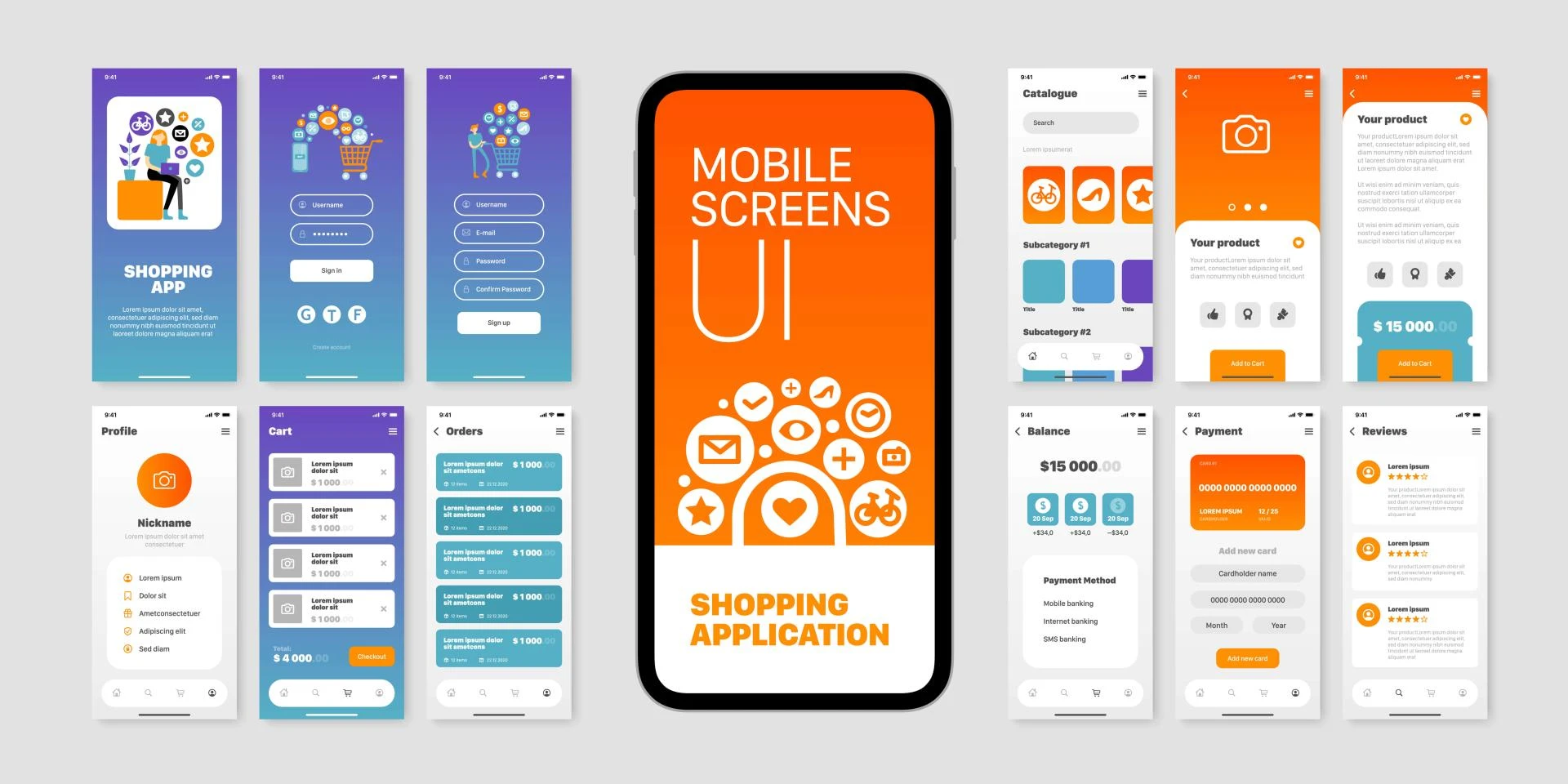
Consistency: Establishing Trust and FamiliarityConsistency is key in UX/UI design. Establish a consistent visual language throughout your design. Use consistent colors, typography, icons, and interaction patterns. Consistency fosters familiarity and builds trust with your users. When elements behave predictably and consistently, users feel more comfortable and confident in using your interface.
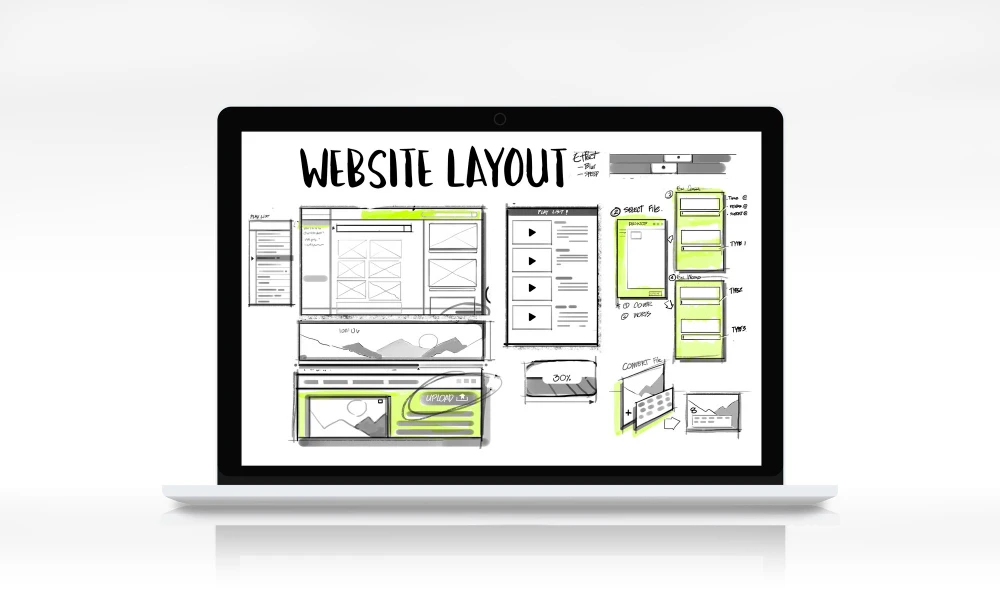
Clear Information Architecture: Making Content DiscoverableInformation architecture is the organization and structure of content within your design. Create a clear and logical hierarchy that enables users to find information effortlessly. Categorize content into meaningful sections and use intuitive navigation patterns. Employ search functionality to help users find specific content. By making your content discoverable, you empower users to explore and engage with your design more effectively.
Microinteractions: Adding Delightful MomentsMicrointeractions are small, subtle animations or feedback that add a touch of delight to user interactions. They can be as simple as a button animation or a notification sound. By adding microinteractions, you create delightful moments that engage users and make their experience more enjoyable. However, ensure that microinteractions enhance the usability and don't become distractions.
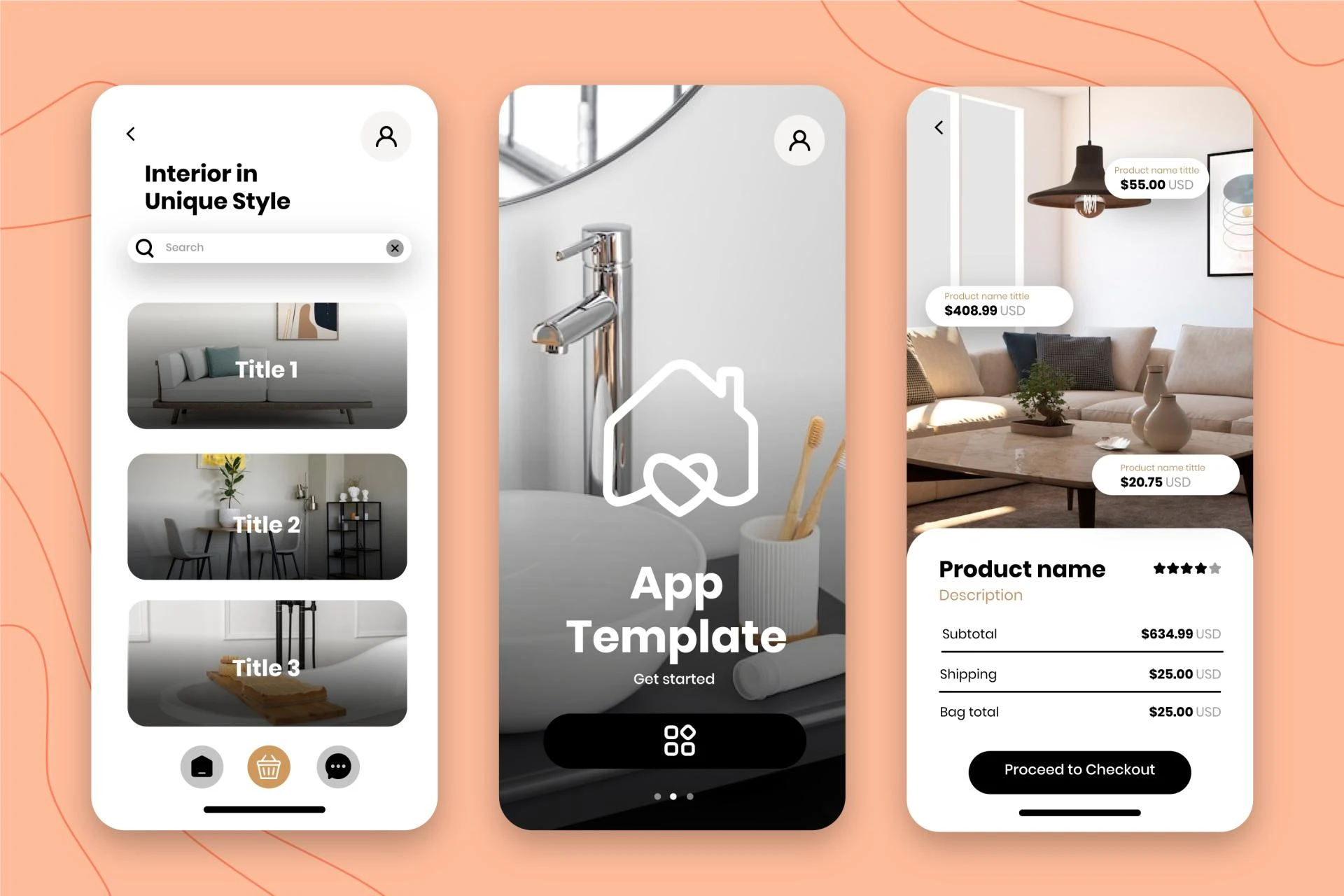
Mobile Optimization: Designing for On-The-Go UsersIn the mobile-centric world we live in, optimizing your design for mobile devices is crucial. Use responsive design techniques to ensure your design adapts seamlessly to different screen sizes. Optimize touch interactions and prioritize content based on mobile user needs. By designing for mobile, you cater to the growing number of on-the-go users and provide a consistent experience across devices.
Accessibility: Designing for InclusivityInclusivity is an essential aspect of UX/UI design. Ensure your design is accessible to users with disabilities. Follow accessibility guidelines to make your design usable for everyone, regardless of their abilities. Provide alternatives for visual content, use appropriate color contrasts, and optimize for assistive technologies
By designing for inclusivity, you create an experience that is accessible and inclusive for all users.
Conclusion
Captivating user experiences are not achieved by chance but through intentional design decisions. By adopting a user-centric approach, focusing on usability, and balancing aesthetics with functionality, you can create designs that captivate and engage your users. Consistency, clear information architecture, microinteractions, and mobile optimization further enhance the user experience. Lastly, designing for inclusivity ensures that your design is accessible to all users. By demystifying the secrets behind UX/UI design and applying these principles, you unlock the power to create captivating user experiences that leave a lasting impression.
Visit my Upwork profile for - UI/UX design, Web design & Mobile design
Check it out my Project Catalog for NFT Landing Page Design | Healthcare Design | Crypto Website Design



























Sign in to leave a comment.