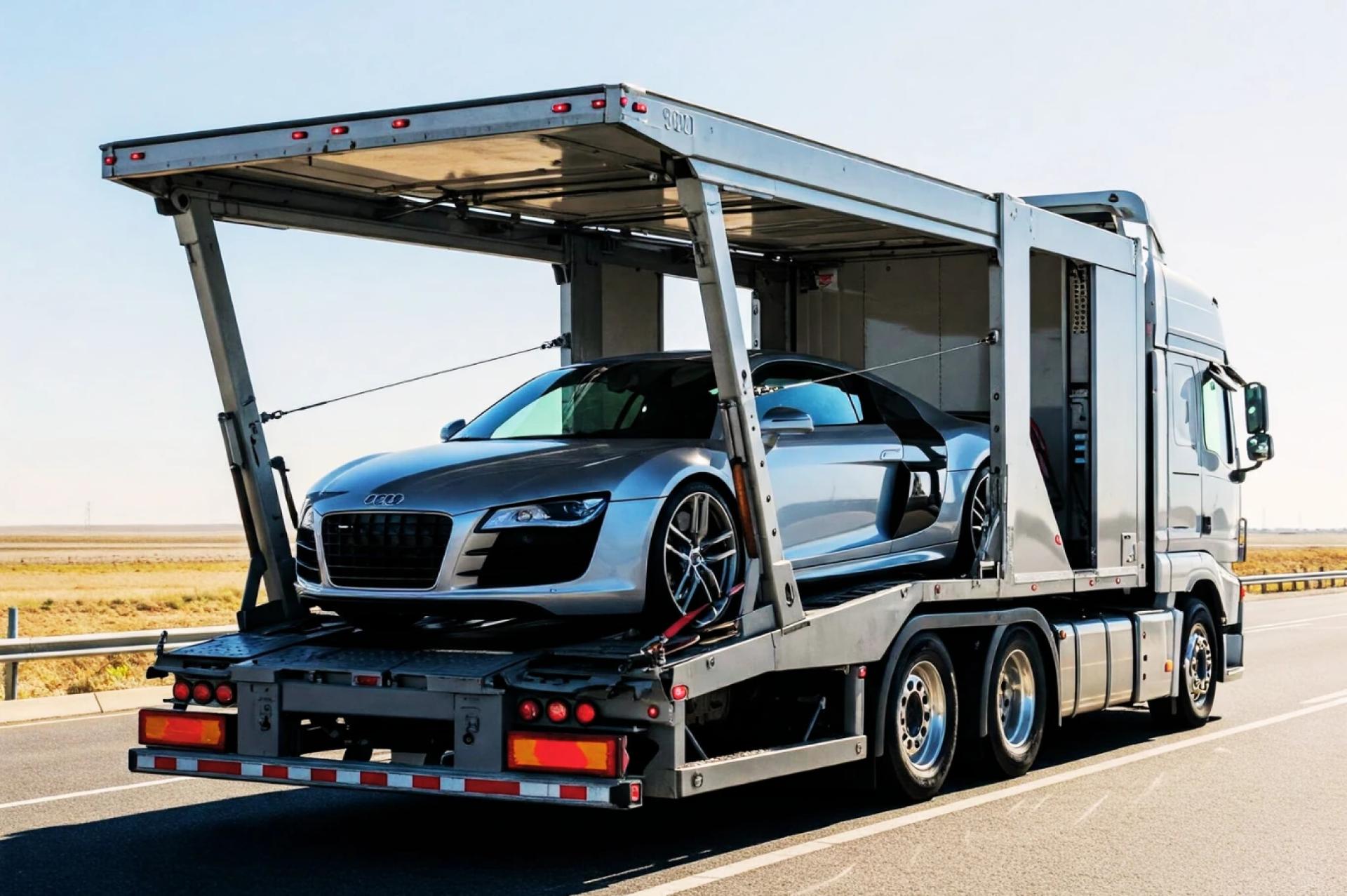

Transporting a van, whether it’s a cargo van, passenger van, or custom camper van, requires specialized care due to its size and unique features. Whether you're relocating, purchasing a van from another state, or moving it for business purposes, van shipping service offers a convenient and secure solution to avoid the challenges of driving long distances. This guide provides a comprehensive roadmap for a reliable and efficient van shipping experience, covering preparation, choosing a trusted carrier, costs, and key considerations.
Why Choose a Van Shipping Service?
Vans, such as Ford Transits, Mercedes Sprinters, or minivans like the Honda Odyssey, are larger and heavier than standard cars, making long-distance driving costly and time-consuming. Van shipping service eliminates the need for you to navigate highways, deal with fuel expenses, or risk wear and tear. This section explores why professional van transport is the preferred choice.
Benefits of Van Shipping Services
Convenience: Avoid the hassle of driving a large vehicle across states, freeing you to focus on other priorities like business operations or relocation.
Vehicle Protection: Professional carriers use specialized equipment to secure your van, reducing the risk of damage from road hazards or weather.
Time Efficiency: Save days or weeks with delivery times ranging from 1–3 days for short routes to 5–10 days for cross-country shipments.
Cost Savings: When factoring in fuel, lodging, meals, and potential maintenance, shipping is often more economical than driving a van.
Peace of Mind: Comprehensive insurance and real-time tracking ensure your van arrives safely and on schedule.
Common Use Cases for Van Shipping
Van shipping service is ideal for:
Relocations: Moving a family minivan or camper van to a new home across state lines.
Business Needs: Transporting cargo vans for commercial fleets, deliveries, or service operations.
Online Vehicle Purchases: Shipping a van bought from a dealership or private seller in another state.
Camper Van Travel: Relocating custom or recreational vans for seasonal trips or vacations.
Special Events: Delivering vans for events, such as trade shows or mobile business setups.
How to Ship Your Van Efficiently
Achieving a seamless van shipping service experience requires careful preparation, selecting a reliable provider, and understanding the process. This section outlines key steps, cost considerations, and tips to ensure your van reaches its destination safely.
Preparing Your Van for Shipping
Proper preparation is crucial to ensure your van is ready for transport and arrives in the same condition. Follow these steps:
Clean Your Van
Wash the interior and exterior thoroughly to make it easier to inspect for pre-existing damage. A clean van simplifies the inspection process at pickup and delivery.
Remove Personal Items
Carriers prohibit personal belongings due to safety and insurance regulations. Remove all valuables, tools, or detachable accessories like roof racks or shelving, especially in cargo or camper vans.
Check Mechanical Condition
Ensure tires are properly inflated, the battery is charged, and there are no fluid leaks. For inoperable vans, confirm the carrier can handle them with specialized equipment like winches or flatbed trailers.
Limit Fuel
Keep the gas tank at about a quarter full to reduce weight and comply with carrier requirements, potentially lowering shipping costs.
Document Condition
Take detailed photos of your van from all angles, including close-ups of any custom modifications or existing marks, to document its condition in case of disputes.
Choosing a Trusted Van Shipping Provider
Selecting a reliable provider for van shipping service is critical for a secure and efficient experience. Here’s what to look for:
Experience with Vans
Choose a company experienced in transporting vans, including cargo, passenger, and camper models, as their size and weight require specialized handling.
Licensing and Insurance
Verify the company’s USDOT number through the Federal Motor Carrier Safety Administration (FMCSA). Ensure they offer comprehensive cargo insurance to cover your van’s value, with clear details on coverage limits.
Transparent Pricing
Request detailed quotes and watch for hidden fees like fuel surcharges or oversized vehicle charges, which may apply to larger vans.
Customer Support and Tracking
Opt for a company with 24/7 support and real-time GPS tracking to monitor your van’s progress, especially for long-distance or business-critical shipments.
Specialized Equipment
For oversized or modified vans (e.g., lifted camper vans), ensure the carrier has flatbed trailers or adjustable ramps to accommodate unique dimensions.
Types of Van Shipping Options
Van shipping service offers various transport methods to suit different needs and budgets:
Open Transport
The most cost-effective option, where your van is loaded onto an open trailer with other vehicles. Suitable for standard minivans or cargo vans, but less ideal for high-value or custom vans due to exposure to weather and debris.
Enclosed Transport
Provides a covered trailer for added protection, ideal for luxury passenger vans (e.g., Mercedes Sprinter conversions) or custom camper vans. It’s more expensive but ensures maximum safety.
Multi-Vehicle Transport
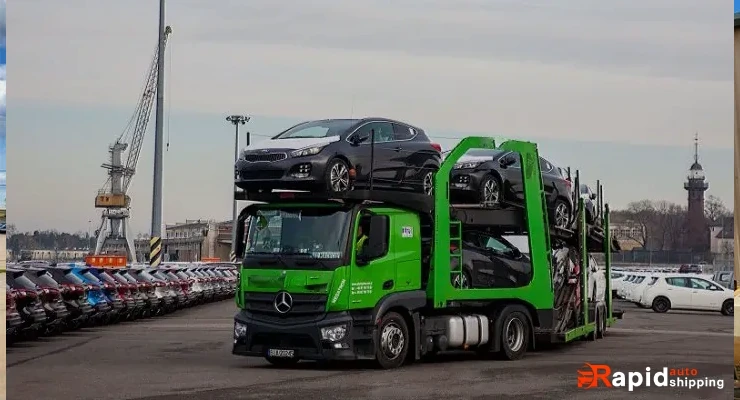
For businesses or fleets, multi-car trailers can transport 6–10 vans at once, offering cost savings
for bulk shipments.
Door-to-Door Service
The carrier picks up and delivers your van to your specified locations, offering convenience for residential or business addresses.
Terminal-to-Terminal Service
A budget-friendly option where you drop off and pick up your van at designated terminals, reducing costs.
Expedited Delivery
For urgent needs, expedited services prioritize faster delivery, often within a few days, at a premium cost.
Understanding Van Shipping Costs
The cost of van shipping service depends on several factors:
Distance
Longer routes, like Florida to California (2,500 miles), cost more than shorter routes, like Texas
to Oklahoma (300 miles).
Vehicle Size
Vans, especially cargo or camper models, are larger and heavier than standard cars, increasing shipping costs compared to sedans.
Transport Method
Enclosed transport is 30–50% more expensive than open transport. Multi-vehicle trailers can reduce per-vehicle costs for fleet shipments.
Season
Peak moving seasons (summer and early fall) increase costs due to demand, while winter may offer lower rates but potential delays.
Additional Services
Expedited delivery, door-to-door service, or handling oversized vans can add $300–$1,000 to the cost.
On average, open transport for a van costs $0.70–$1.20 per mile, while enclosed transport ranges from $1.00–$1.80 per mile. For a 1,000-mile route, expect $700–$1,200 for open transport or $1,000–$1,800 for enclosed transport.
The Van Shipping Process: What to Expect
Here’s how van shipping service typically works:
Booking: Provide van details (make, model, dimensions, condition), pickup/delivery locations, and preferred dates to receive a quote.
Pickup: The carrier inspects your van, documents any existing damage, and loads it onto the trailer, using specialized equipment for oversized or modified vans.
Transport: Your van travels via major highways, with transit times ranging from 1–3 days for short routes to 5–10 days for cross-country.
Delivery: Inspect your van upon arrival against pre-shipment photos and sign off on the delivery.
Tips for a Reliable Van Shipping Experience
To optimize your van shipping service:
Book Early: Schedule 2–4 weeks in advance to secure better rates and availability, especially during peak seasons.
Choose the Right Transport: Opt for open transport for standard vans or enclosed for custom or luxury models.
Be Flexible: Allow flexibility in pickup/delivery dates to avoid peak-season surcharges.
Use Tracking: Choose providers with real-time GPS tracking for updates.
Inspect Thoroughly: Check your van carefully upon delivery, focusing on paint, windows, and custom features.
Unique Considerations for Van Shipping
Vehicle Size and Weight: Vans require carriers with trailers capable of handling larger dimensions and weights.
Custom Modifications: Inform the carrier of aftermarket additions like rooftop tents or shelving in cargo vans to ensure proper handling.
Business Needs: Fleet operators may need multi-vehicle transport and coordinated scheduling for efficient operations.
Weather Variability: Long-distance routes may face weather challenges, requiring experienced carriers to plan accordingly.
Conclusion
Van shipping service provides a reliable and efficient solution for transporting your van, whether for personal relocation, business needs, or recreational travel. By preparing your vehicle, choosing a trusted provider, and following our tips, you can ensure a seamless experience. Contact a reputable van shipping company today for a free quote and start your vehicle’s journey with confidence.





























Sign in to leave a comment.