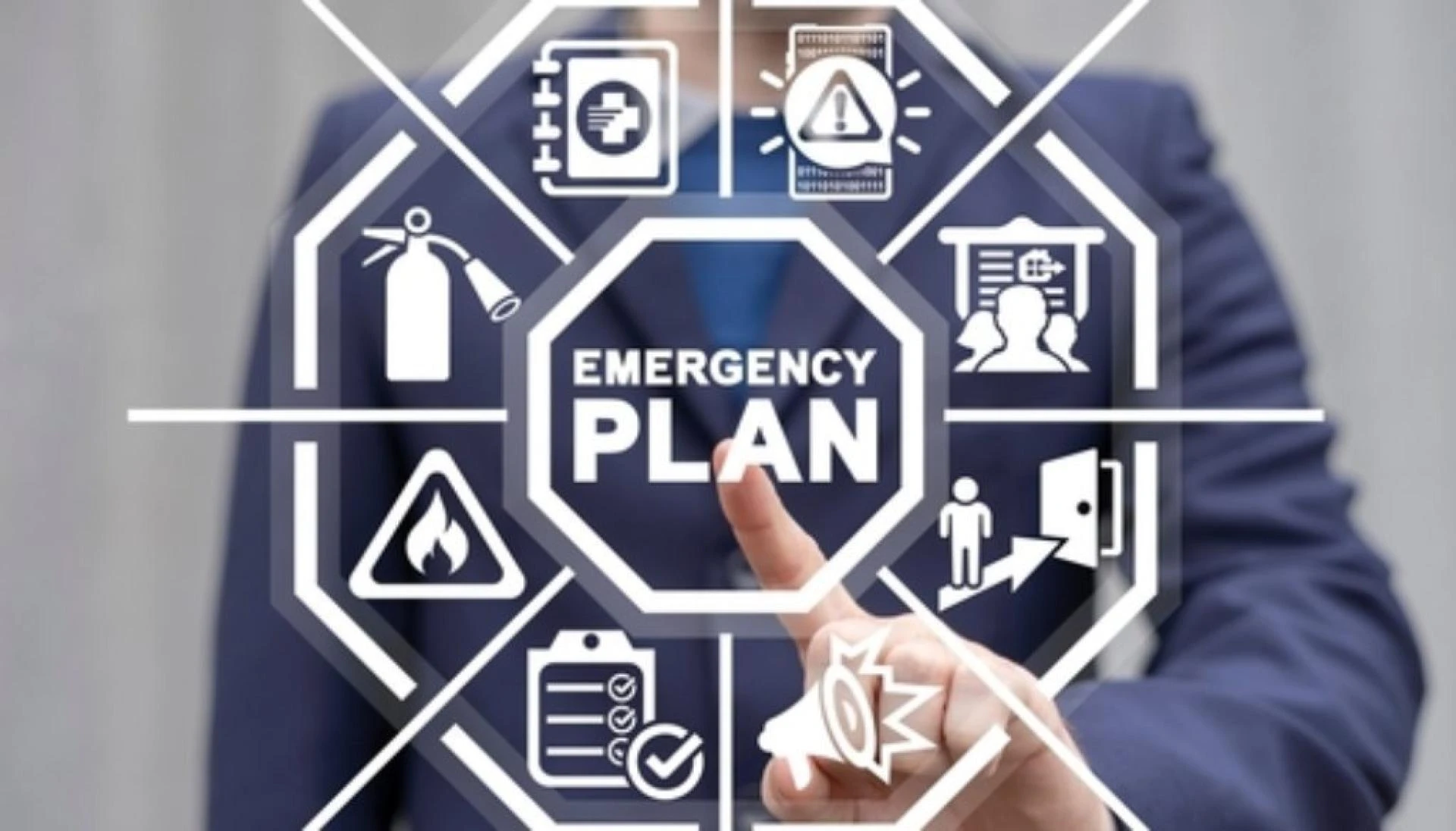

The rising frequency of extreme weather events, from devastating hurricanes to prolonged droughts, poses significant risks to businesses and communities worldwide. These unpredictable events disrupt operations, threaten assets, and endanger lives. As climate patterns grow more erratic, the financial and operational stakes for unprepared industries escalate.
Proactive measures have become non-negotiable. Businesses must protect their infrastructure, ensure continuity, and safeguard their workforce against weather-related disruptions. Traditional forecasting methods, while valuable, often lack the precision and timeliness required in today’s fast-paced, high-stakes environment.
Weather prediction services have emerged as transformative tools, leveraging advanced technologies to deliver actionable insights. By combining real-time data with predictive analytics, these services empower industries to make informed decisions, anticipate risks, and respond with agility. In an era where preparedness equates to resilience, adopting such technologies is no longer a luxury—it’s a necessity.
The Evolution of Weather Prediction Technology
Weather prediction has come a long way from rudimentary methods based on historical trends and manual observations. Modern advances in technology have revolutionized how we understand and predict weather patterns.
Artificial Intelligence (AI) and Machine Learning (ML) now analyze vast datasets with unparalleled speed and accuracy, identifying patterns that human analysis might miss. Internet of Things (IoT) devices, such as connected sensors and smart weather stations, provide real-time data on atmospheric changes, enhancing precision. Satellite technology offers comprehensive, high-resolution imagery of global weather systems, enabling long-range forecasts.
These innovations have transformed weather prediction into an actionable asset for industries. Unlike traditional methods, today’s systems are tailored to deliver insights specific to industry needs—whether it’s predicting supply chain delays due to snowstorms or optimizing irrigation schedules for drought-prone areas. With these advancements, industries can transition from reactive to proactive strategies, minimizing risks and maximizing efficiency.
Industry-Specific Applications of Weather Prediction Systems
- Agriculture: Farmers rely on timely alerts for frost, rainfall, and heatwaves to protect crops and livestock. Precision forecasting enables optimized planting schedules and resource allocation, reducing waste and boosting yields.
- Energy and Utilities: Power grids are vulnerable to extreme weather like hurricanes and heat waves. Weather prediction aids in preparing infrastructure and mitigating outages, ensuring the energy supply remains stable.
- Transportation and Logistics: From aviation to freight, anticipating adverse weather conditions reduces delays, improves safety, and ensures operational efficiency.
- Construction and Real Estate: Weather-aware project planning minimizes disruptions and protects construction sites from weather damage, saving costs and time.
- Retail and Supply Chain: Forecasting weather-driven consumer behavior enables better inventory management while predicting supply chain risks ensures smoother operations.
The Role of Weather Prediction in Emergency Preparedness
Weather prediction is indispensable for effective emergency preparedness.
- Real-Time Monitoring: IoT-powered devices provide continuous updates on weather conditions, offering real-time insights critical for decision-making. Alerts about incoming hurricanes or rapid temperature drops allow businesses to act swiftly, minimizing losses.
- Disaster Mitigation: Industries can develop contingency plans for potential hazards, such as floods or wildfires, using historical and predictive data. These plans improve response times and reduce damage.
- Resource Allocation: Weather prediction guides the strategic deployment of resources—directing personnel, equipment, and supplies to where they are most needed. This capability ensures efficiency during crises and prevents resource wastage.
Challenges in Leveraging Weather Prediction Solutions
While weather prediction offers immense potential, several challenges must be addressed:
- Data Overload: The vast volume of information generated by modern systems can overwhelm decision-makers. Investing in advanced analytics tools is essential to extract actionable insights efficiently.
- Technology Access: Many industries, especially in remote or developing regions, face barriers to accessing sophisticated prediction tools. Bridging this digital divide is crucial for equitable preparedness.
- Accuracy and Reliability: Despite advancements, weather predictions are not infallible. Industries must complement these insights with adaptive strategies to handle uncertainties.
The Future of Weather Prediction and Emergency Preparedness
The future of weather prediction lies in hyper-localized forecasting and the integration of advanced analytics.
Hyper-Localized Forecasts: By combining IoT devices with AI, predictions will soon deliver street-level precision, enabling businesses to prepare for localized impacts.
Climate-Resilient Technologies: Innovations in renewable energy and smart infrastructure will mitigate the effects of extreme weather. For instance, climate-adaptive buildings can minimize damage during hurricanes.
Collaboration between governments, industries, and technology providers will be pivotal in scaling these advancements. Industries that embrace these solutions will lead the way in resilience and sustainability.
Conclusion: Proactive Preparedness through Weather Prediction Services
The transformative power of weather prediction lies in its ability to bridge the gap between awareness and action. By providing real-time, accurate, and actionable insights, these services empower industries to protect assets, minimize losses, and ensure continuity in the face of climate uncertainties.
Proactive preparedness is no longer optional—it’s a competitive advantage. Businesses that integrate weather prediction into their operations position themselves not just to survive but to thrive amid challenges.
Leaders must recognize the critical role of these services in safeguarding their future. Partnering with providers who offer cutting-edge solutions ensures that organizations remain ahead of risks, ready to tackle any challenge nature presents.



























Sign in to leave a comment.