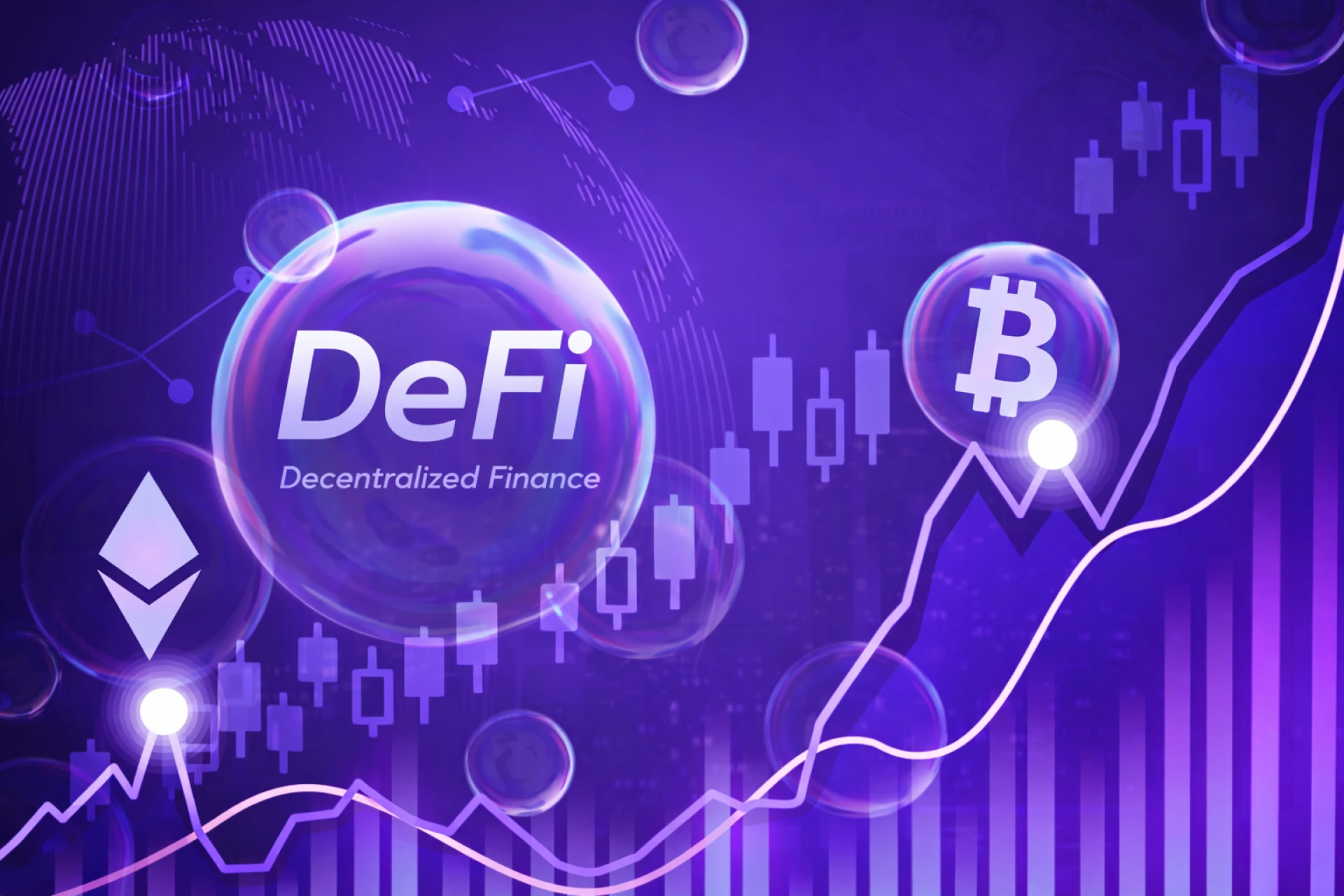

Decentralized finance, or DeFi, has rapidly transformed how people interact with money. Instead of relying on banks or financial institutions, DeFi uses blockchain technology to offer services like lending, borrowing, and trading in a fully digital and decentralized way. At the center of this ecosystem are DeFi tokens, programmable digital assets that power these financial systems.
As the demand for decentralized applications grows, many businesses now collaborate with a token development company to build secure and scalable ecosystems. From startups to enterprises, crypto token development and advanced token development solutions are playing a key role in shaping the future of finance.
Understanding DeFi Tokens
DeFi tokens are cryptocurrency-based assets that operate on blockchain networks and enable decentralized financial services. These tokens are not just used for payments; they perform multiple functions such as governance, staking, liquidity provision, and access to platform features.
Unlike traditional financial systems where intermediaries verify and execute transactions, DeFi tokens rely on smart contracts. These are self-executing programs that automatically enforce rules and agreements without human involvement. This makes transactions faster, more transparent, and globally accessible.
Most DeFi tokens are built on blockchain platforms like Ethereum, but other ecosystems such as Binance Smart Chain and Solana are also gaining traction. Businesses entering this space often rely on professional token development solutions to ensure their tokens are secure, scalable, and aligned with long-term goals.
How DeFi Tokens Work
DeFi tokens function through smart contracts that automate financial processes. For example, in a lending platform, users deposit tokens into a smart contract and earn interest when others borrow those assets. The entire process, from calculating interest to managing collateral, is handled automatically by code.
Similarly, decentralized exchanges (DEXs) allow users to trade tokens directly from their wallets. Instead of order books, these platforms use liquidity pools where users deposit tokens and earn fees in return.
This level of automation and efficiency is only possible with well-designed token systems. That’s why many projects partner with a token development company specializing in crypto token development to build reliable and high-performing DeFi platforms.
DeFi vs Traditional Finance
DeFi differs significantly from traditional finance in structure and operation. Traditional systems depend on banks, brokers, and clearing houses, while DeFi eliminates these intermediaries entirely.
In DeFi, anyone with an internet connection can access financial services without needing approval, credit checks, or a minimum balance. Transactions happen 24/7, and all activities are recorded on public blockchains, ensuring transparency.
Another major difference is asset custody. In traditional finance, institutions hold your funds. In DeFi, users control their own assets through private wallets. While this increases control, it also places responsibility on users to manage their security.
Types of DeFi Tokens
The DeFi ecosystem includes several types of tokens, each serving a unique purpose.
Governance tokens allow holders to vote on decisions related to a protocol, such as upgrades or fee structures. These tokens give users a direct role in shaping the platform’s future.
Utility tokens provide access to specific services within a platform. They may be used to pay fees, unlock features, or receive discounts, creating consistent demand within the ecosystem.
Stablecoins are designed to maintain a stable value, usually pegged to fiat currencies like the US dollar. They are essential for reducing volatility and are widely used in trading and lending.
Liquidity provider tokens represent a user’s share in a liquidity pool. These tokens can be used to earn rewards, participate in other DeFi services, or be traded in secondary markets.
Developing these token types requires deep expertise, and businesses often depend on token development solutions to create efficient tokenomics and ensure long-term sustainability.
Key Use Cases of DeFi Tokens
DeFi tokens enable a wide range of financial applications that were previously limited to traditional institutions.
One of the most popular use cases is lending and borrowing. Users can lend their crypto assets and earn interest or borrow funds by providing collateral. This process is quick, automated, and does not require credit checks.
Another major application is decentralized trading. Users can swap tokens directly without relying on centralized exchanges, reducing risks associated with hacks or mismanagement.
Yield farming is another growing trend where users move their assets across different platforms to maximize returns. While potentially profitable, it requires careful strategy and risk assessment.
DeFi tokens are also used in insurance protocols, where users can protect their assets against risks like smart contract failures or platform exploits.
Benefits of DeFi Tokens
DeFi tokens offer several advantages that make them attractive to both users and investors.
One of the biggest benefits is financial inclusion. Anyone with internet access can participate, making financial services available to people who are unbanked or underbanked.
Transparency is another key advantage. All transactions are recorded on public ledgers, allowing users to verify data and track activities in real time.
DeFi also reduces costs by eliminating intermediaries. Transactions are often faster and cheaper compared to traditional systems, especially for cross-border payments.
Additionally, DeFi enables innovation. Developers can create new financial products and services that were not possible in traditional systems. This has led to rapid growth and continuous evolution in the space.
Risks and Challenges
Despite its advantages, DeFi comes with significant risks that users must understand.
One of the primary concerns is smart contract vulnerabilities. If there is a bug in the code, it can be exploited, leading to loss of funds. Even audited contracts are not completely risk-free.
Market volatility is another challenge. Token prices can fluctuate rapidly, affecting both investments and collateral positions.
Liquidity providers face impermanent loss, which occurs when the value of deposited assets changes compared to simply holding them.
There is also regulatory uncertainty. Governments around the world are still developing rules for DeFi, which could impact how these platforms operate in the future.
To minimize these risks, projects should invest in high-quality crypto token development and security-focused token development solutions.
Investment Strategies for DeFi
Investing in DeFi requires a well-planned strategy and ongoing research.
Start by understanding the fundamentals of the project, including its use case, tokenomics, and development team. Reviewing audits and community activity can also provide valuable insights.
Diversification is important. Instead of investing in a single token, spread your investments across multiple projects and categories to reduce risk.
Active monitoring is essential, as the DeFi space evolves quickly. Keeping track of updates, market trends, and potential risks can help you make informed decisions.
The Role of Token Development Companies
As DeFi continues to grow, the demand for professional development services is increasing. A reliable token development company helps businesses design, launch, and manage tokens that are secure, scalable, and compliant.
From creating smart contracts to building liquidity mechanisms and governance systems, expert crypto token development ensures that projects can compete in a rapidly evolving market.
Advanced token development solutions also include multi-chain deployment, security audits, and integration with DeFi protocols, making them essential for long-term success.
The Future of DeFi Tokens
The future of DeFi looks promising, driven by innovation and technological advancements. Scaling solutions are improving transaction speeds and reducing costs, making DeFi more accessible to a wider audience.
Cross-chain interoperability is another key trend, allowing different blockchain networks to connect and share data. This will enhance the flexibility and usability of DeFi platforms.
Institutional interest is also growing, with traditional financial players exploring ways to integrate DeFi into their services. As regulations become clearer, this could lead to broader adoption.
However, the success of DeFi will depend on balancing innovation with security and compliance. Projects that prioritize user safety and sustainable growth are more likely to succeed in the long run.
Conclusion
DeFi tokens are at the core of a financial revolution that is reshaping how people access and use financial services. By enabling decentralized, transparent, and efficient systems, these tokens offer new opportunities for individuals and businesses alike.
From governance and utility to lending and trading, DeFi tokens serve multiple roles within the ecosystem. While they provide significant benefits such as financial inclusion and innovation, they also come with risks that require careful consideration.
As the industry evolves, the role of a trusted token development company becomes increasingly important. With the right approach to crypto token development and robust token development solutions, businesses can build powerful DeFi platforms that drive growth and innovation in the digital economy.






















Sign in to leave a comment.