
As enterprises adopt dozens—sometimes hundreds—of applications across ERP, CRM, CMMS, analytics, and industry-specific tools, integration becomes a critical capability. One of the most important architectural decisions companies face is whether to rely on pre-built connectors or build integrations from scratch.
For most organizations, especially those focused on speed and scalability, the advantages of pre-built connectors are substantial.
Faster Time to Value
Building integrations from scratch requires API discovery, authentication handling, data mapping, error handling, and long-term maintenance. Pre-built connectors eliminate this groundwork, allowing teams to connect systems in days instead of months.
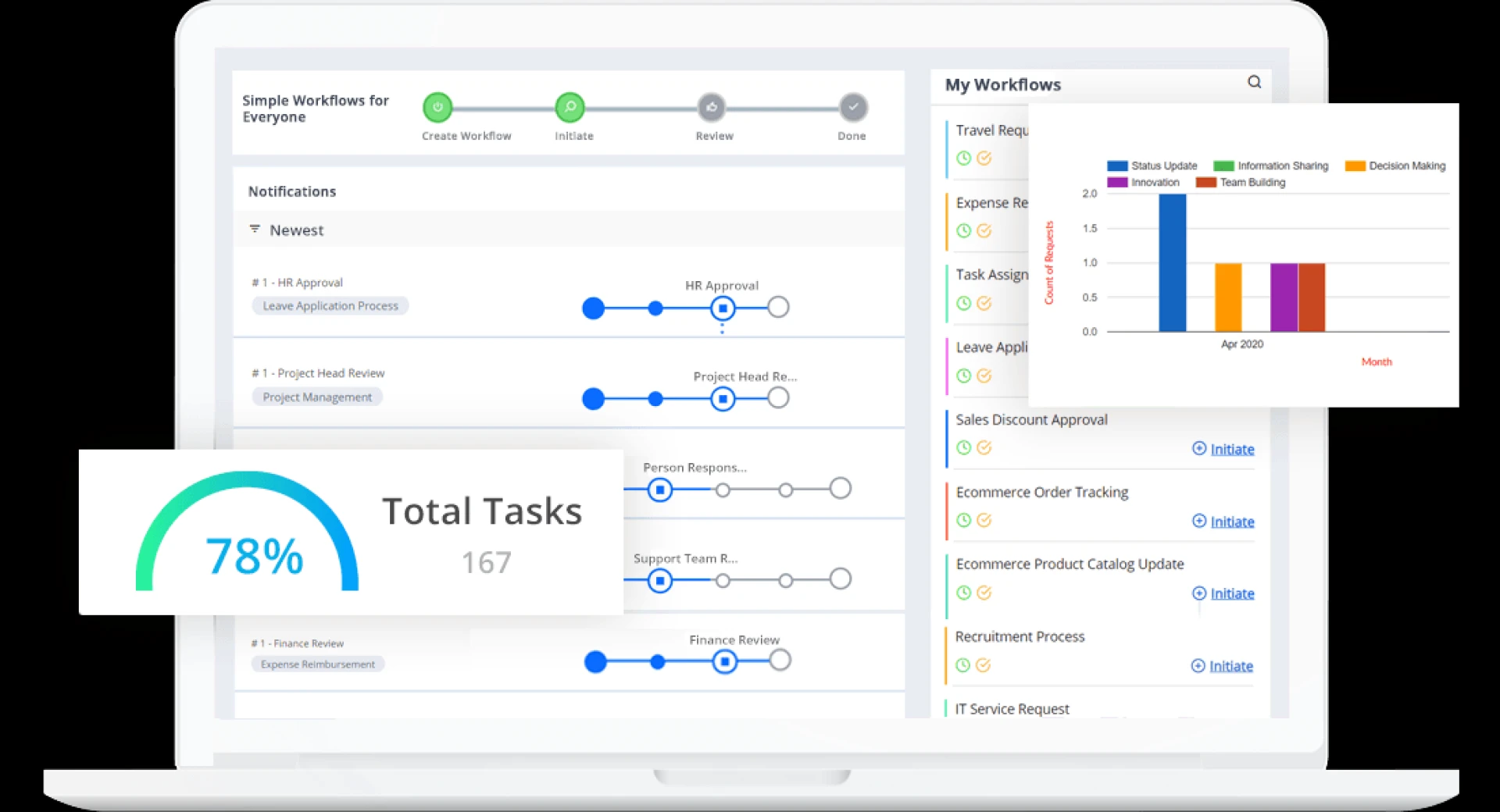
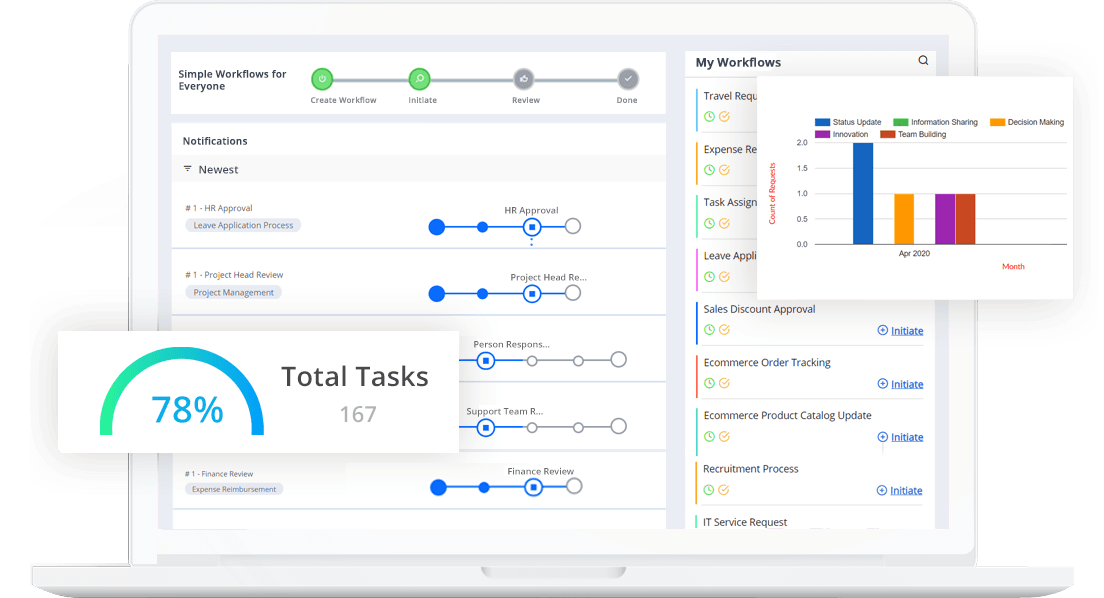
When paired with a no-code workflow builder, teams can design and deploy multi-step workflows immediately—without waiting on engineering backlogs.
Lower Development and Maintenance Costs
Custom-built connectors are expensive to create and even more expensive to maintain as APIs change. Pre-built connectors are maintained by the platform provider, reducing:
- Ongoing engineering effort
- Integration technical debt
- Risk of breakage due to third-party API updates
This significantly lowers total cost of ownership for integration initiatives.
Proven Reliability and Best Practices
Pre-built connectors are typically used across many customers and environments, meaning:
- Common edge cases are already handled
- Performance and error-handling patterns are battle-tested
- Security and authentication models follow best practices
This reliability is difficult to replicate with one-off custom builds.
Easier Scalability Across Use Cases
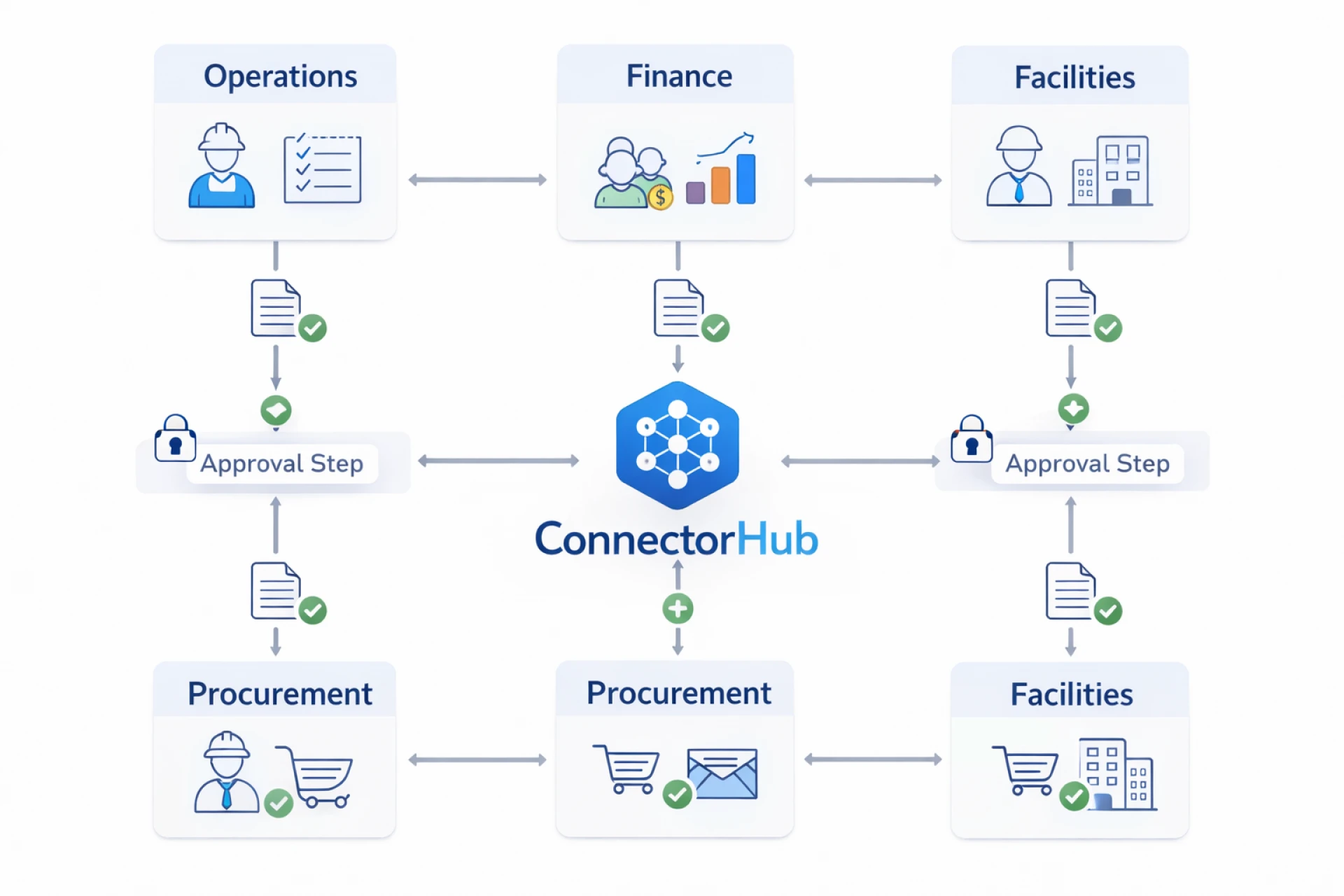
With 100+ connectors available, organizations can scale integrations across departments and use cases without reinventing solutions. New workflows can reuse existing connectors rather than starting from zero each time.
This is a core advantage of a modern no-code integration platform, where integration becomes a reusable capability rather than a custom project.
Empowering Non-Engineering Teams
Pre-built connectors, combined with visual workflow tools, allow operations, IT, and business teams to:
- Configure integrations themselves
- Adjust workflows as processes change
- Reduce dependency on specialized developers
This accelerates innovation while keeping engineering focused on core product development.
When Building From Scratch Still Makes Sense
Custom-built connectors may be appropriate when:
- Integrating with highly proprietary or unsupported systems
- Extremely low-latency or specialized performance is required
- The integration is core to the product’s IP
However, these cases are the exception—not the norm.
Final Takeaway
Having 100+ pre-built connectors transforms integration from a development challenge into a strategic advantage. Compared to building from scratch, pre-built connectors deliver faster deployment, lower costs, higher reliability, and greater organizational agility.
For most enterprises, the question is no longer whether to use pre-built connectors—but how quickly they can standardize on a platform that provides them.




























Sign in to leave a comment.