

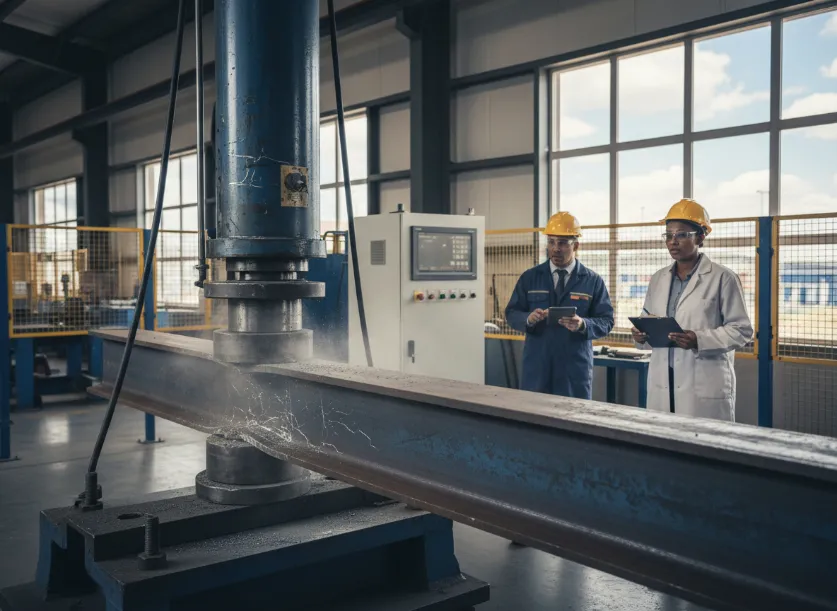
Mechanical testing provides a valuable service in understanding how materials will respond to different mechanical forces in the real world. In construction, mining, and manufacturing, it is important to ensure the materials used are safe, reliable, and legally compliant. In South Africa, it is important that industrial engineers understand the country’s testing options to make the best economic and operational choices for testing industrial materials.
Fundamental Methods of Mechanical Testing
Mechanical testing relies on a few key techniques that simulate the performance of materials in a structure under various conditions. These techniques are:
- Strength Testing: Determines the maximum and minimum values of tensile strength as well as the amount of plastic deformation the structural element will undergo.
- Compression Testing: Determines how a structural element will behave under a load.
- Hardness Testing: Determines the amount of wear and surface deformation a structural element will experience.
- Impact Testing: Evaluates the amount of energy a structural element will absorb before it fails.
These techniques form the foundation of reliability and materials testing in the industry.
Mechanical Testing for Validation of Performance
Mechanical testing instruments are used mainly in the energy and construction industries to ensure materials will respond as expected and remain safe over an extended period.
- Fatigue testing: Testing the response of materials to cyclical stress over time
- Creep testing: Testing the permanent deformation of a material due to load over time, especially at high temperatures
- Shear testing: Determine the resistance of materials to internal sliding
- Fracture toughness testing: Determine the resistance of materials to the propagation of cracks and catastrophic failure.
In materials testing in Africa, service life estimation and operational risk are of utmost importance.
How to Choose the Ideal Mechanical Testing Services
Choosing the ideal mechanical testing services requires a methodological, standards-based approach:
- Type of material and purpose: Testing must reflect actual service conditions and load expectations.
- Adherence to ISO and SANS standards: Important for conformity and quality.
- Laboratory capacity and recognition: Select laboratories that employ aeronautical engineering and sophisticated tools.
- Result comprehension: Engineering judgment and risks averted suffice.
Choosing the right service provider will ensure that the developed testing method is applied.
Final Thoughts
In high-risk activities, the right mechanical testing methodology is fundamental to safety, integrity, and regulatory conformance. When coupled with appropriate data and expert analysis, organisations can enhance the performance of materials to minimise expensive failures while reliably satisfying operational and regulatory requirements in highly sophisticated engineering activities.



























Sign in to leave a comment.