
Few things are more inconvenient for drivers than finding a deflated tyre just as they’re about to set off. Yet tyre punctures remain one of the most common roadside issues across the UK. So, what causes tyre puncture in the first place? And more importantly, how can you prevent it from happening?
This guide explores the main tyre puncture reasons, what warning signs to look for, and how professionals diagnose and fix the problem safely.
1. Sharp Objects on the Road
The single most common cause of punctures is debris on the road. Nails, screws, bits of glass and sharp stones are everywhere, especially near industrial areas, construction sites and poorly maintained roads.
When a tyre rolls over one of these objects, it can become embedded in the tread, slowly leaking air over time. In more severe cases, the impact pierces the rubber instantly, leading to a rapid loss of pressure.
Tip: Avoid driving too close to the edges of the road or across areas with visible debris.
2. Damaged or Worn Tyres
Tyres naturally degrade over time due to heat, friction and environmental exposure. As the tread wears down and the rubber hardens, the structure becomes less resistant to punctures.
Cracks in the sidewall or tread can also appear with age, providing an easy entry point for sharp objects. Even if the tyre looks fine from a distance, these weak points can lead to sudden air loss.
Mobile tyre fitting & repair experts regularly encounter cases where old, brittle tyres puncture from small impacts that a newer tyre would easily withstand. Regular inspections are key to spotting early signs of deterioration.
3. Incorrect Tyre Pressure
Both over-inflation and under-inflation can make a tyre more vulnerable.
- Over-inflated tyres are too rigid, causing the centre tread to wear faster and making the tyre more likely to burst upon hitting a sharp object or pothole.
- Under-inflated tyres flex excessively, generating heat and wearing out the sidewalls, which can eventually split.
Maintaining manufacturer-recommended pressures is essential for safety, fuel economy and tyre longevity.
4. Hitting Kerbs or Potholes
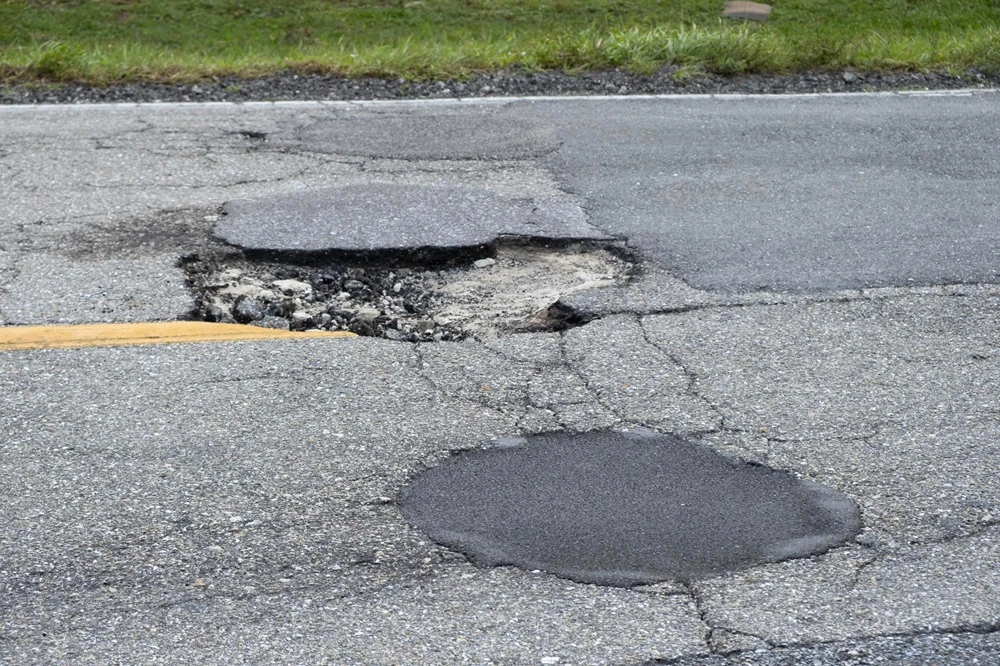
Impact damage is another frequent tyre puncture reason. Striking a kerb or deep pothole can pinch the tyre between the wheel and the obstacle, tearing the inner lining or sidewall.
Even if a puncture doesn’t occur immediately, small fractures inside the tyre can worsen over time, leading to delayed failure days or weeks later.
The roads across the UK, particularly in urban and rural connecting routes, see a high number of such cases, especially after heavy rainfall or winter freezing that worsens potholes.
5. Faulty Valve Stems
The valve stem (where you inflate your tyre) is a small but crucial component. Over time, it can become brittle or corroded, causing air to escape even without visible damage to the tyre itself.
If your tyre keeps losing pressure but no puncture is visible, the valve stem is often the culprit. Replacement is a quick, inexpensive fix but should be carried out by a professional to ensure a proper seal.
6. Poor Road Conditions
Uneven tarmac, gravel and temporary repair works can all contribute to punctures. Repeated vibration from rough surfaces causes tiny cuts in the tread, especially when combined with old or thin tyres.
Driving on such roads also increases the likelihood of picking up nails or metal fragments, which can remain lodged unnoticed until the tyre finally deflates.
7. Manufacturing or Fitting Defects
Although rare, a tyre puncture can occasionally result from manufacturing flaws or improper fitting. A poorly seated bead (where the tyre meets the rim) may allow air to escape, mimicking a puncture.
Similarly, if the wheel rim itself is bent or damaged, it may compromise the seal and gradually leak air. Reputable tyre services always check for rim integrity and ensure proper mounting to avoid these issues.
8. Temperature Fluctuations
Tyre pressure naturally changes with temperature. A sudden drop in outdoor temperature can cause air inside the tyre to contract, leading to under-inflation. Prolonged under-inflation, in turn, weakens the structure and increases the risk of puncture under stress.
Checking pressures monthly and particularly during seasonal shifts - helps avoid unexpected deflation.
9. Slow Punctures That Go Unnoticed
Not all punctures happen suddenly. A small nail may create a slow leak that develops over days, gradually reducing pressure. The car may still drive normally at first, but the tyre’s internal layers are being strained.
Ignoring this kind of puncture can cause the rubber to separate internally, eventually making the tyre unsafe to repair.
Technicians from South Yorkshire Mobile Tyres mentioned that they often identify hidden slow punctures during call-outs, particularly in vehicles without a functioning tyre pressure monitoring system (TPMS).
How to Detect a Puncture Early
Watch for these signs:
- The steering wheel feels heavier or less responsive.
- The car drifts to one side while driving straight.
- The tyre looks slightly deflated compared to the others.
- The TPMS warning light appears.
Checking tyres weekly for embedded objects or visible cracks can prevent sudden roadside breakdowns.
Preventive Measures to Reduce Punctures
- Maintain correct tyre pressure.
- Avoid driving near kerbs or through debris.
- Replace tyres older than six years.
- Rotate and balance tyres regularly.
- Inspect valve stems during each service.
These simple habits drastically lower the risk of damage and improve overall road safety.
Final Thoughts
Understanding what causes tyre puncture helps drivers make informed decisions and maintain safer vehicles. Most punctures result from everyday wear, road debris or poor pressure maintenance, all issues that regular inspection can easily prevent.
By recognising the early warning signs and taking proactive steps, motorists can avoid costly repairs and stay safe on the road. In regions like South Yorkshire, where mixed road surfaces and frequent construction increase risk, awareness and quick professional help make all the difference.




























Sign in to leave a comment.