
Today, the world relies on mobile applications for the majority of its online interactions and transactions. This makes mobile app protection a necessity. A mobile app security assessment identifies and analyzes security risks in a mobile app before or after deployment. It helps development and security teams evaluate an app’s security when exposed to real-world security threats like app tampering, reverse engineering, insecure APIs, etc.
Why Is Mobile App Security Assessment Important?
A mobile app that hasn’t undergone a proper security assessment is an easy target for attackers. Security threats can not only expose sensitive user data but also lead to financial losses, reputational damage, and non-compliance with regulations. To understand an app’s security posture, mobile app security assessments are conducted. These assessments help to verify whether an app’s security measures are resilient enough to prevent security vulnerabilities. They ensure that vulnerabilities can be detected early and help development and security teams to fix them and prevent them from recurring.
Security assessments can be of various types, such as tests for finding static code vulnerabilities, runtime security threats, and checking compliance against standards like OWASP MASVS (Mobile Application Security Verification Standard), SEBI CSCRF (Cybersecurity and Cyber Resilience Framework), and RBI MDDPSC (Master Direction on Digital Payment Security Controls).
How to Select the Ideal Application Security Testing Tools?
The effectiveness of a mobile app security assessment heavily depends on the tools being used. The ideal application security testing tools should:
- Provide a thorough assessment for all app components and environments
- Generate detailed and easy-to-understand test reports
- Provide Proof-of-Concepts (PoCs) and Steps of Reproduction of Bugs
- Be up-to-date with evolving threat patterns and assessment technologies
- Support both Android Operating System and iOS platforms
- Be affordable, so that businesses of all sizes can utilize them
Reliable and precise application security testing tools help businesses build and maintain secure apps.
The Role of Automated Mobile App Security Testing
Automated mobile app security testing has made assessments faster, more scalable, and repeatable. With automation, apps can be scanned during development and post-deployment without adding delays to the Software Development Life Cycle. These tools can detect a wide range of security issues—from insecure code to runtime threats like app repackaging and SSL pinning bypass. Automated tests reduce human error and the time and cost involved in app security testing.
Bugsmirror MASST - Reliable Mobile App Security Assessment
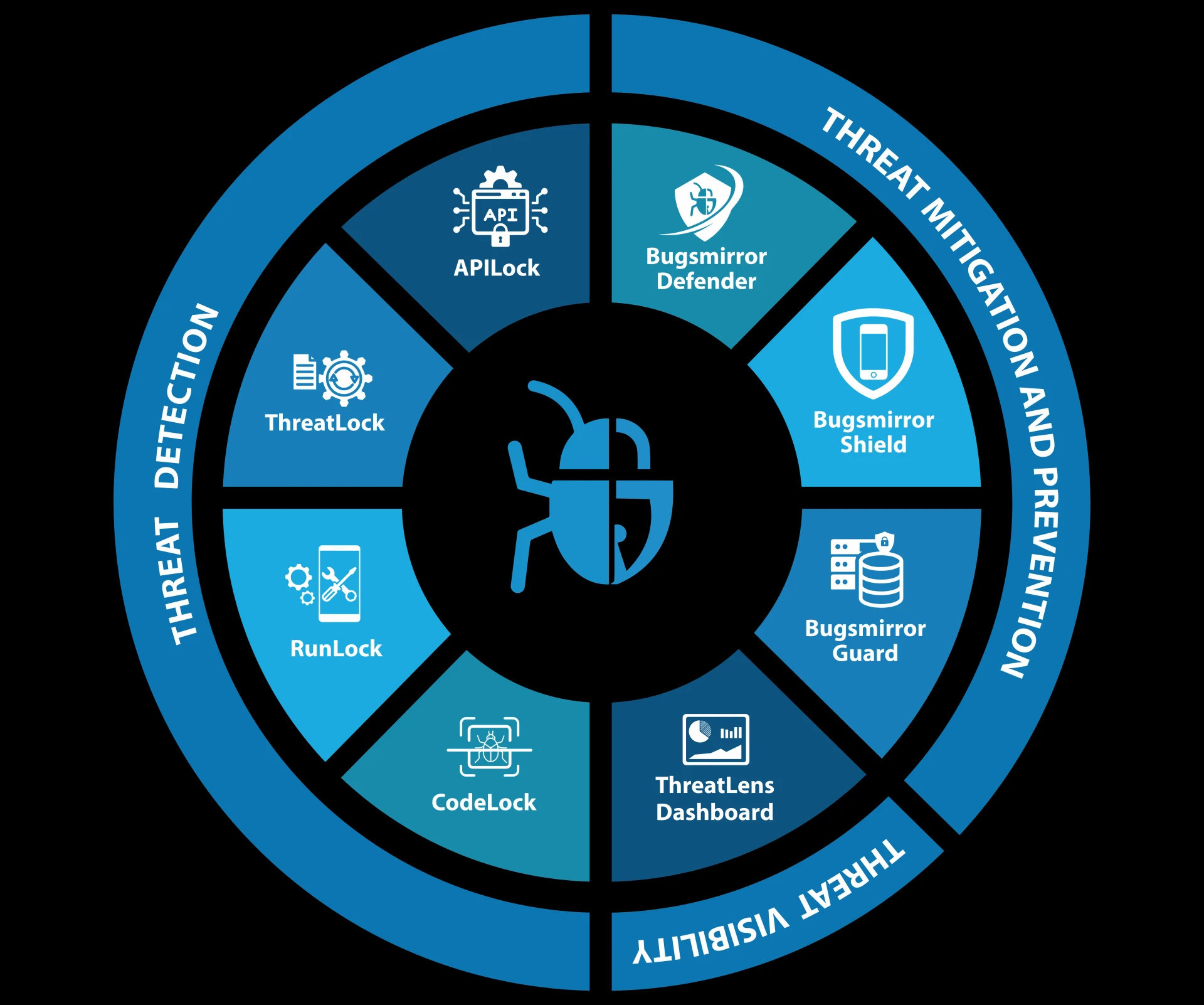
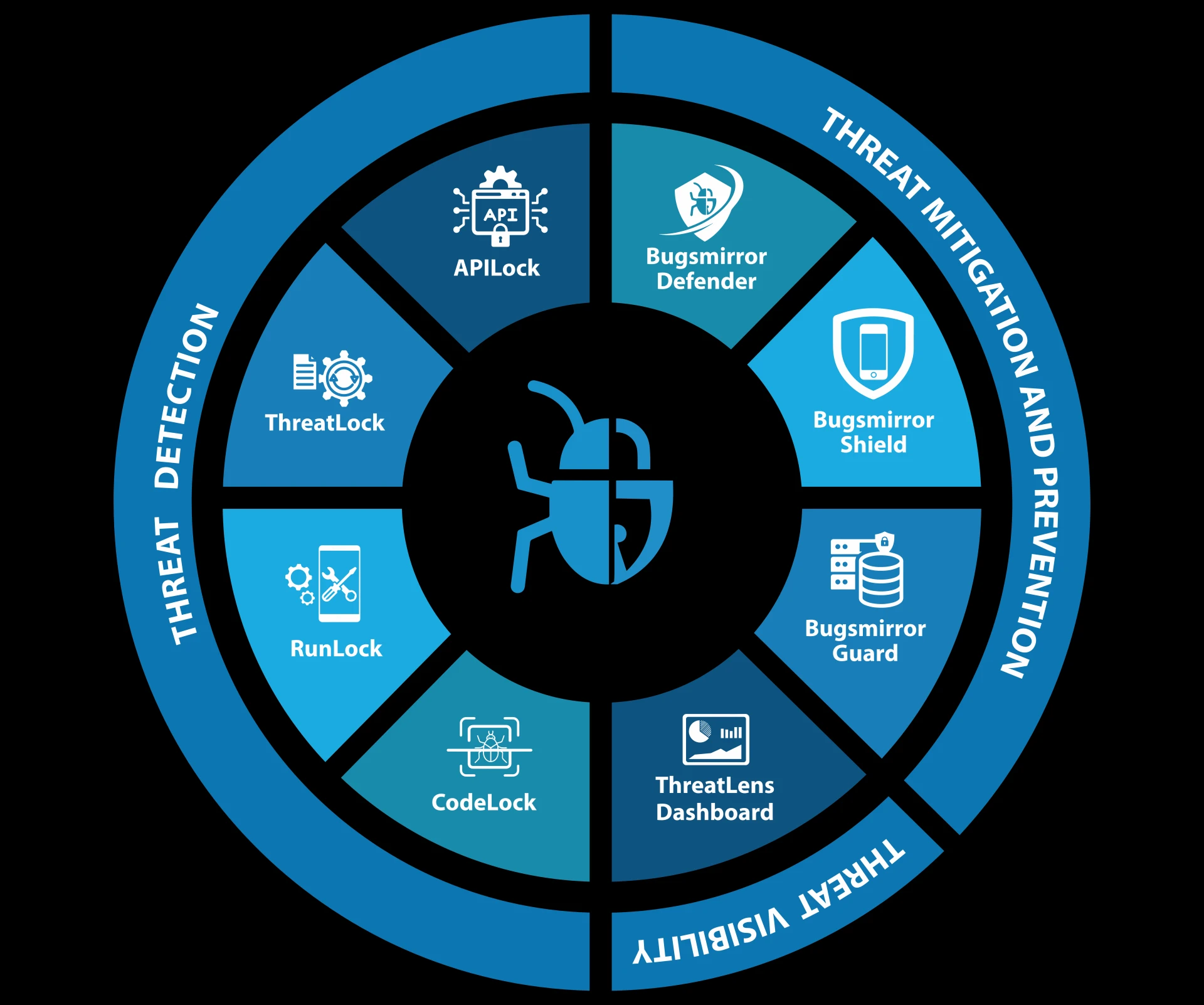
Bugsmirror Mobile Application Security Suite and Tools (MASST) is an all-in-one platform for mobile apps’ security. It includes tools for every stage of app security testing—CodeLock for static analysis, RunLock for runtime security threat detection, ThreatLock for advanced manual Red Teaming Assessments, and APILock for API security testing.
MASST provides both automated scans and manual verification to offer in-depth visibility into a mobile app’s security posture and ensure zero false negatives. The test reports include PoCs and actionable insights to help developers and security teams prioritize and fix vulnerabilities quickly. With Bugsmirror MASST, businesses can streamline security testing and safeguard their apps confidently.
Read More: How Runtime Application Self-Protection Tools Enhance Mobile App Security?






























Sign in to leave a comment.