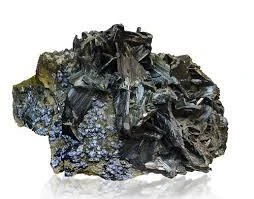

What is tungsten? Tungsten is a rare, high-density metal known for having the highest melting point of all pure metals and exceptional strength. With the chemical symbol W (derived from Wolfram) and atomic number 74, tungsten is widely used in industries that demand extreme heat resistance, durability, and performance. From aerospace engineering to electronics manufacturing, tungsten metal plays a crucial role in modern technology.
What Is Tungsten Made Of?
Tungsten is a naturally occurring metallic element found in minerals such as wolframite and scheelite. It is extracted through mining and refined into pure tungsten powder, which is then processed into solid metal forms or alloys. Due to its hardness and resistance to wear, tungsten is often combined with carbon to create tungsten carbide, one of the hardest materials used in industrial applications.
Key Properties of Tungsten
Understanding the properties of tungsten helps explain why it is so valuable across multiple industries:
- Highest Melting Point: Tungsten melts at approximately 3,422°C (6,192°F), making it ideal for high-temperature applications.
- High Density: Similar to gold in density, tungsten is extremely heavy and compact.
- Exceptional Strength: It maintains structural integrity even under extreme stress.
- Corrosion Resistance: Tungsten resists rust and chemical damage.
- Low Vapor Pressure: Performs reliably in vacuum environments.
These properties make tungsten metal essential in manufacturing, defense, aerospace, and medical industries.
Common Uses of Tungsten
Tungsten is widely used in a variety of products and industrial processes:
1. Industrial Tools
Tungsten carbide is commonly used in drill bits, cutting tools, and mining equipment due to its hardness and durability.
2. Aerospace and Defense
Because of its heat resistance and density, tungsten is used in aircraft components, missile parts, and counterweights.
3. Electronics
Tungsten is used in electrical contacts, filaments, and semiconductors due to its conductivity and high melting point.
4. Medical Equipment
Radiation shielding and medical imaging devices often use tungsten for its density and protective properties.
5. Jewelry
Tungsten rings are popular for their scratch resistance and long-lasting shine.
Advantages of Tungsten Metal
- Long lifespan and durability
- Resistant to extreme temperatures
- High strength-to-weight ratio
- Excellent wear resistance
- Reliable performance in harsh environments
Because of these benefits, tungsten remains a preferred material in advanced engineering and heavy-duty manufacturing.
Is Tungsten Expensive?
Tungsten is generally more expensive than common metals like steel or aluminum due to limited global supply and complex extraction processes. However, its durability and performance often make it cost-effective over time, especially in industrial applications where long-term reliability is essential.
Conclusion
So, what is tungsten? Tungsten is a powerful, high-performance metal known for its unmatched heat resistance, strength, and density. Whether used in industrial tools, aerospace technology, electronics, or jewelry, tungsten metal continues to be one of the most important materials in modern engineering. Its unique properties make it indispensable in industries that demand durability and extreme performance.
If you're looking to understand tungsten metal for manufacturing, engineering, or educational purposes, it stands out as one of the strongest and most heat-resistant metals available today.




























Sign in to leave a comment.