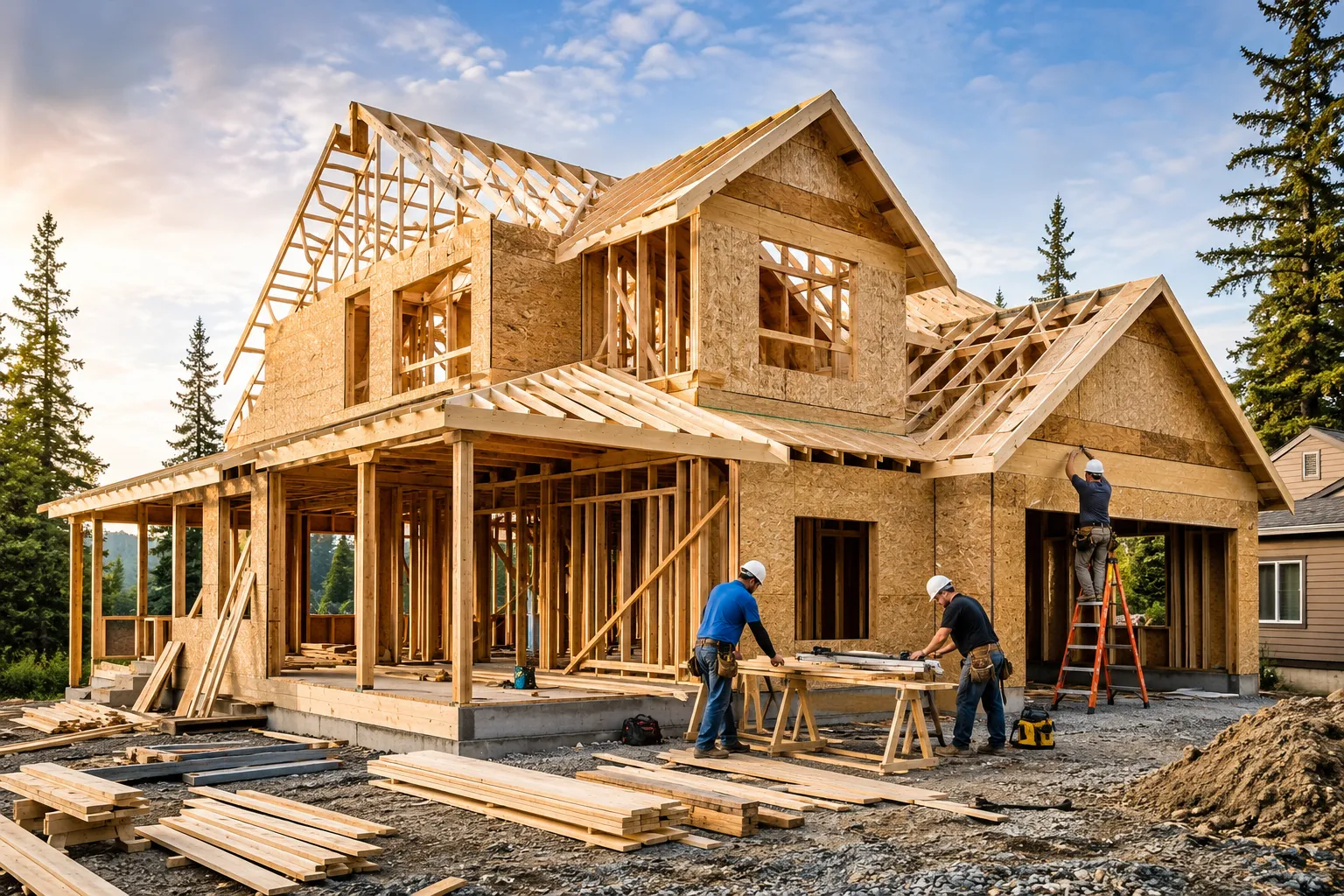

Every Great Home Begins With the Right Plan
Watching your family outgrow your current home can feel overwhelming. Maybe the kitchen is too small, the bedrooms no longer fit everyone's needs, or you've dreamed about building a place that truly reflects your lifestyle. Starting Residential Construction is exciting, but jumping in without preparation often leads to delays, stress, and unexpected decisions. The good news is that most problems can be avoided with the right planning. Knowing what happens before the first shovel touches the ground helps protect your investment and gives your family confidence throughout the building journey
What Should You Know Before Beginning Residential Construction?
Starting Residential Construction means much more than choosing a floor plan. Success begins with understanding your property, local building requirements, realistic timelines, and finding experienced professionals who communicate clearly from start to finish.
Why Does Planning Matter Before Residential Construction?
Many homeowners focus on finishes like cabinets or flooring before thinking about the foundation of the project.
That excitement is completely understandable.
The challenge is that every successful home starts long before construction crews arrive.
Proper planning helps you:
- Understand your property
- Prevent unnecessary delays
- Keep expectations realistic
- Avoid design changes later
- Make better long-term decisions
A little preparation saves countless headaches later.
How Do You Choose the Right Location for Your Home?
Your land affects nearly every part of the project.
Before building, consider:
- Soil conditions
- Drainage
- Utility access
- Sun exposure
- Road access
- Local zoning rules
In Homer and throughout the Kenai Peninsula, weather and terrain deserve extra attention. Some lots require additional site preparation because of slopes, drainage, or seasonal ground conditions.
Understanding these details early keeps the project moving smoothly.
Why Are Local Building Codes So Important?
Building codes exist to protect homeowners and communities.
Following local regulations means your home is safer, stronger, and built to modern standards.
Before construction begins, review permit requirements through your local municipality and learn about federal housing guidance from the U.S. Department of Housing and Urban Development (HUD):
For energy efficiency and home performance recommendations, homeowners can also review resources from the U.S. Department of Energy:
These government resources help homeowners understand safe building practices and long-term home performance.
How Can You Build a Home That Fits Your Family for Years?
Many people think only about what they need today.
Think further ahead.
Ask yourself:
- Will your family grow?
- Will you work from home?
- Do you need aging-friendly spaces?
- Should you include extra storage?
- Will outdoor living become more important?
Planning for the future often costs far less than remodeling later.
What Should You Expect During the Residential Construction Process?
Every project is different, but the overall process stays fairly consistent.
Step 1: Planning
Discuss goals, budget expectations, and lifestyle needs.
Step 2: Design
Create drawings that match your property and local requirements.
Step 3: Permits
Secure approvals before construction starts.
Step 4: Site Preparation
Prepare the land and utilities.
Step 5: Construction
Foundation, framing, roofing, mechanical systems, insulation, drywall, and finishes.
Step 6: Final Inspection
Complete inspections before moving into your new home.
Understanding these stages makes Residential Construction much less stressful.
What Common Mistakes Should Homeowners Avoid?
Many construction problems begin with simple decisions made too quickly.
Some of the most common mistakes include:
- Rushing into construction
- Changing designs after work begins
- Ignoring site conditions
- Choosing contractors based only on price
- Not asking enough questions
- Skipping permit research
Every question asked before construction usually prevents a larger problem later.
How Do You Choose the Right Residential Contractor?
Trust matters just as much as experience.
Look for professionals who:
- Explain each phase clearly
- Provide realistic timelines
- Answer questions honestly
- Understand local conditions
- Communicate consistently
- Focus on craftsmanship
The best contractors make homeowners feel informed—not confused.
Why Does Communication Make Such a Big Difference?
Even well-planned projects create questions.
Weather changes.
Material deliveries shift.
Design choices evolve.
Clear communication keeps everyone working toward the same goal.
Good builders explain what is happening, why it matters, and what comes next.
That confidence reduces stress for everyone involved.
How Can You Prepare Financially Before Building?
Construction involves many moving parts.
Before work begins:
- Understand your financing options.
- Leave room for unexpected site conditions.
- Keep paperwork organized.
- Review every document carefully.
- Avoid making major design changes once construction starts.
Preparation creates flexibility if adjustments become necessary.
Why Does Residential Construction Feel Different in Homer, Alaska?
Building in Homer means working with unique weather, varied terrain, and changing seasonal conditions.
Experienced local professionals understand:
- Frost considerations
- Coastal weather
- Drainage planning
- Wind exposure
- Efficient insulation
- Reliable building materials for Alaska's climate
That local knowledge helps projects move more smoothly while creating homes designed for long-term performance.
Can Commercial Experience Benefit Residential Projects?
Some builders bring experience from larger construction projects, helping improve scheduling, planning, and coordination.
If you're interested in learning how larger projects are managed, you can also explore Commercial Construction Services to better understand the construction process across different types of buildings.
What Questions Should You Ask Before Construction Starts?
Good conversations lead to better projects.
Ask questions like:
- What permits will be required?
- How will weather affect scheduling?
- Who will supervise construction?
- How often will updates be provided?
- What happens if unexpected conditions appear?
- What decisions will I need to make during construction?
Clear answers create realistic expectations.
Why Does Preparation Lead to Better Results?
Homes are built one decision at a time.
Taking extra time before construction starts gives you better choices throughout the project.
Instead of reacting to problems, you'll already have a plan.
That creates a smoother experience from design through completion.
Most successful Residential Construction projects begin with thoughtful preparation, open communication, and experienced guidance.
Conclusion
Building a home is one of the biggest decisions most families ever make. Taking time to understand the process, prepare your property, ask the right questions, and work with experienced professionals makes every stage easier. Whether you're planning your forever home or creating more space for your family in Homer or elsewhere on the Kenai Peninsula, careful planning helps turn ideas into a home built for lasting comfort. Starting Residential Construction with knowledge and confidence gives your project the strongest possible foundation.
Frequently Asked Questions
1. How long should I plan before starting Residential Construction?
Most homeowners benefit from several months of planning before construction begins. This allows time for design decisions, permits, financing, property evaluations, and selecting the right contractor. Good preparation usually leads to a smoother building experience.
2. Do I need permits before building a new home?
Yes. Permit requirements depend on your location and project scope. Your contractor can usually guide you through the process, while your local building department provides the official requirements needed before construction starts legally.
3. What is the biggest mistake homeowners make?
One common mistake is changing plans after construction has already begun. Design changes often affect scheduling and coordination. Spending more time making decisions before construction starts usually reduces unnecessary complications later.
4. Why is local construction experience valuable?
Local professionals understand regional weather, soil conditions, building codes, and seasonal challenges. In places like Homer, Alaska, that experience helps create homes designed for long-term durability and better overall performance.
5. How can I make the construction process less stressful?
Stay involved, ask questions, keep communication open, and understand each project phase before work begins. Knowing what to expect helps reduce surprises and gives you greater confidence throughout the entire building journey.



























Sign in to leave a comment.