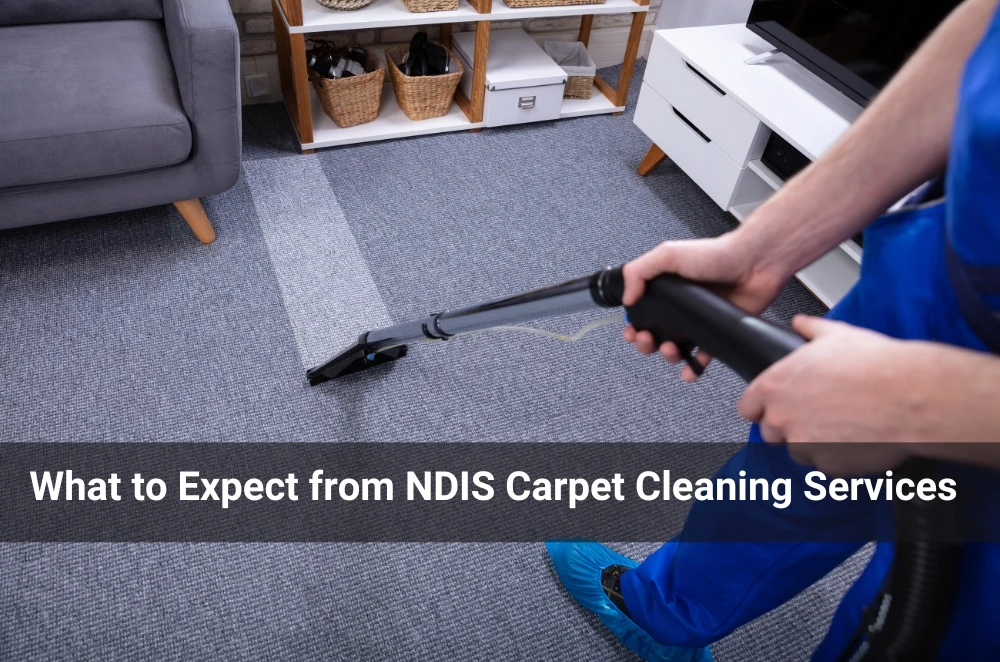

Some things you notice straight away. Others build up over time—like that faint odour lingering in a hallway or the subtle grit underfoot that refuses to come out, no matter how many times it’s vacuumed. In homes where disability support is part of daily life, details like these carry extra weight. A space that’s clean and safe isn’t just pleasant—it affects how people move, breathe, and feel in their own environment.
More providers have begun to recognise this, offering carpet cleaning services NDIS as part of their support packages. The service has become increasingly common among participants who require assistance maintaining hygienic living conditions, especially where mobility or sensory needs are involved. Rather than being seen as a luxury, it’s now treated as a practical component of daily living support—often used to maintain indoor air quality and reduce environmental triggers that impact health.
Why NDIS cleaning isn’t just about appearances
You’d be surprised how much a carpet can hold onto bacteria, dust, allergens, and odours. All are invisible until they start affecting someone’s breathing, mobility, or mental clarity. In homes where support needs are complex, the standard clean-up just doesn’t cut it.
I’ve supported clients in properties where a simple vacuum did little more than move dirt around. Once proper cleaning was done, though, things felt different—less like managing and more like living.
Some core benefits that come with NDIS-level carpet cleaning include:
- Reduced exposure to dust, pet dander, or mould
- Safer footing, especially for wheelchairs or mobility frames
- Better air quality in closed spaces
- More comfort during floor-level tasks or transfers
And honestly, when a person feels comfortable in their home, other supports tend to land better, too.
What your rights look like when hiring help at home
Too often, people accept services without knowing where the line should be drawn. But knowing your rights changes the dynamic. It turns a transaction into a relationship—one where dignity, choice, and transparency are non-negotiable.
Under Australian consumer protections, people receiving home-based support through NDIS are backed by a clear set of standards. This includes all cleaning services, whether frequent or occasional. If something doesn’t sit right, that protection is there.
Understanding home care consumer rights can help ensure you:
- Are informed and consulted before any service begins
- Don’t feel pressured or rushed into accepting what you don’t need
- Can question or decline services without penalty
- Know who to contact if something doesn’t add up
It’s not about expecting the worst—it’s about being prepared for anything.
When does carpet cleaning fall under NDIS funding?
This is where things often get muddy. Not every participant will automatically get cleaning support, and even when they do, that doesn’t mean carpet cleaning is included by default.
Generally, cleaning falls under "Core Supports" and is included if it's tied to your daily functioning or safety at home. Carpet cleaning is usually justified when:
- A participant cannot safely clean the floor themselves
- Their disability means dirt or allergens present a greater health risk
- Regular cleaning is required to support hygiene or mobility
- The service links directly to goals around independent living or wellbeing
One participant I worked with used to avoid the living room altogether due to strong carpet odours. It wasn’t until the cleaning support was added that they started using the space again. That kind of change doesn’t always show up in a budget breakdown, but it shows up in how people live.
Practical benefits of regular cleaning support
I’ve had participants tell me they didn’t realise how much they were tolerating—until the cleaning was done. Stale smells, rough textures underfoot, constant sneezing—it fades in slowly until it feels normal. And then you get that first proper clean, and it’s like stepping into a different home.
That’s the quiet value of carpet cleaning for daily living support. It’s not flashy, but it’s foundational.
Here’s how that often translates:
- More comfort moving through the home
- Easier management of sensory sensitivity
- Safer transfers from bed, chair, or walker
- Better focus and calmness in the home environment
Participants may not always ask for this first, but once it’s part of the support, it often stays.
What to look for in providers you can actually count on
Choosing a provider is more than picking from a list. Sometimes, it takes a few tries to find the one that “gets it”—who walks in and doesn’t just see dirt but sees what kind of day you're having.
It’s that kind of attentiveness that separates basic services from truly reliable local ndis services. Things I always look for include:
- Punctuality paired with flexibility—life doesn’t always run to schedule
- Willingness to work around sensitivities or mobility needs
- Staff who are trained, but more importantly, present and respectful
- Tools and products that are safe for use in disability households
You want someone who isn’t just effective but mindful.
Final thoughts
If there’s one thing to take away, it’s that support looks different for everyone. For some, a clean carpet might mean less coughing. For others, it’s the difference between staying inside and inviting someone over. Either way, it’s not just about the service—it’s about what that service allows someone to do afterwards.
And when it’s done with care, consideration, and consistency? That’s when it stops feeling like an add-on and starts feeling like part of the plan.
Support shouldn’t feel like a favour—it should feel like a foundation. And for many living with disability, clean floors are part of that foundation.

































Sign in to leave a comment.