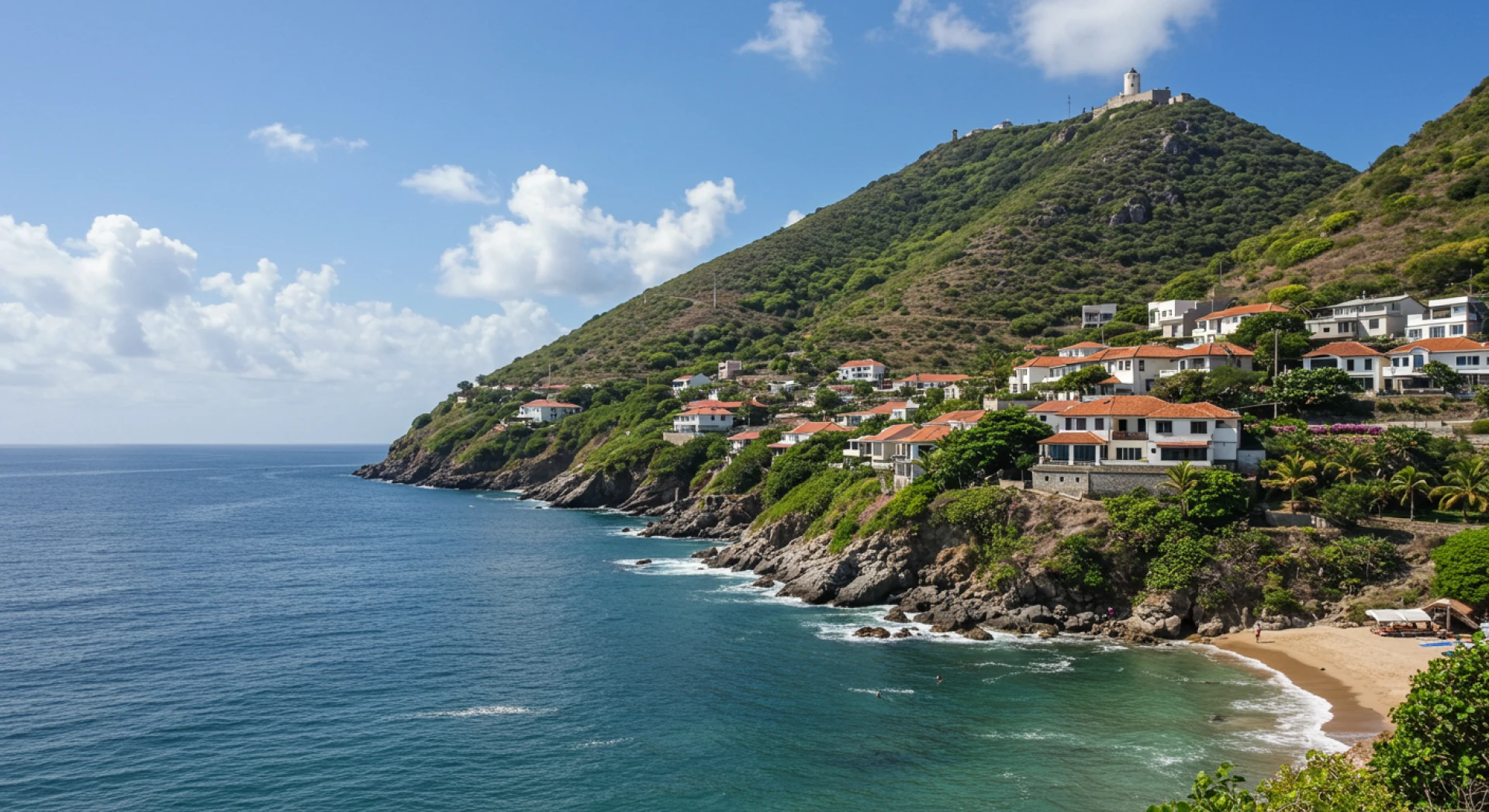

Planning a trip to the Dominican Republic sounds like a dream, but if you are like me, you probably ask yourself the smart questions before booking. One of the biggest is this—when exactly is hurricane season?
Understanding the timing of hurricane season can help you decide when to go, what to pack, and how to plan. And no, it does not mean you should avoid traveling. With the right information, you can still have a wonderful, safe, and memorable trip.
The Official Hurricane Season Timeline
The Atlantic hurricane season officially runs from June 1 to November 30, and the Dominican Republic is included in this zone. But that does not mean storms happen constantly during those six months. The peak activity typically falls between August and October, when ocean temperatures are highest and the weather patterns favor storm development.
Even during the season, it is possible to enjoy sunny days and beautiful beach weather. It is not all rain and wind as many people assume. Most storms, if they happen, come with plenty of notice thanks to improved forecasting tools.
What the Weather Feels Like During the Season
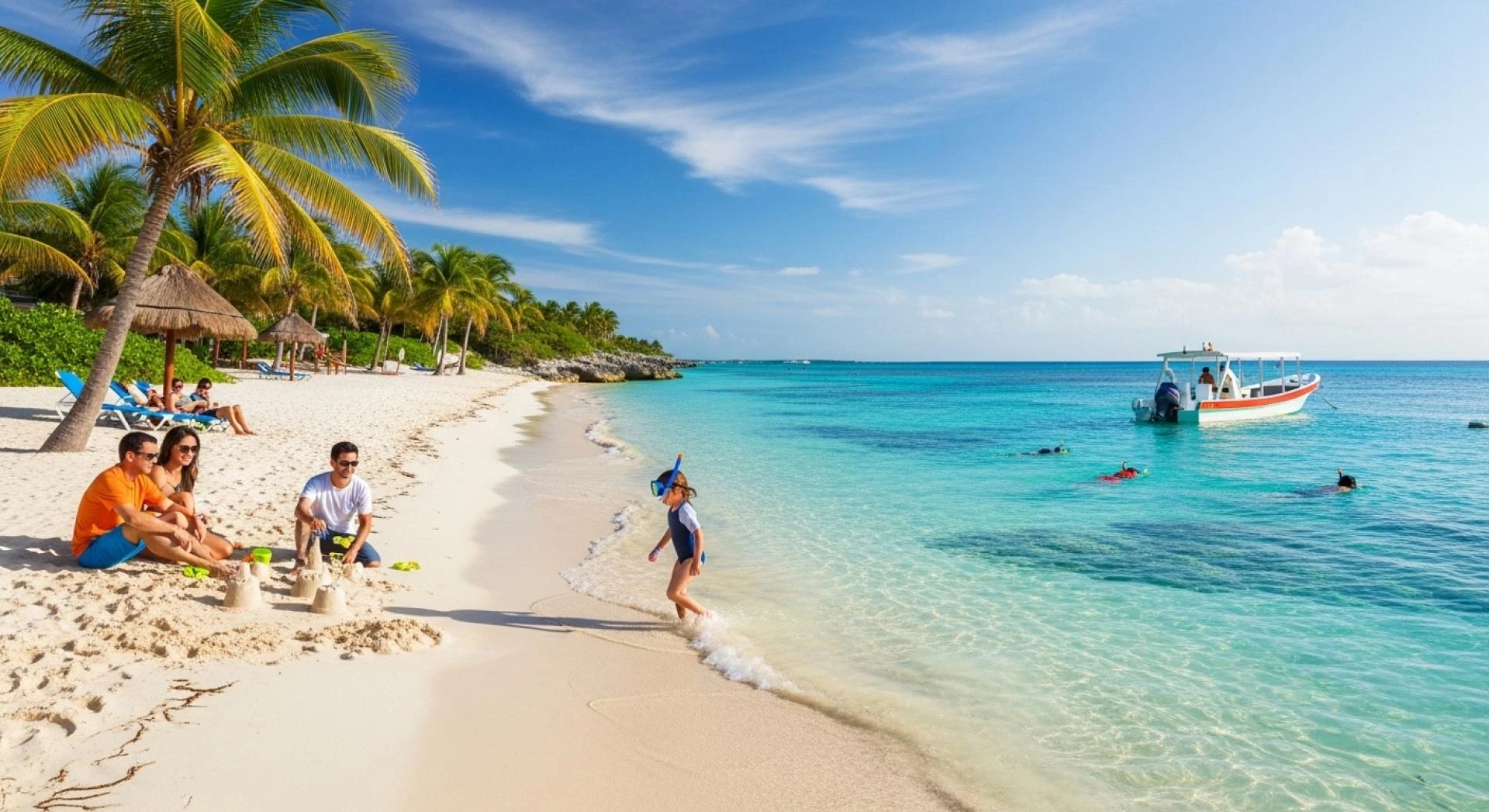
During hurricane season, the weather in the Dominican Republic remains warm and tropical. You will still find temperatures in the mid to high 80s Fahrenheit, with the occasional afternoon shower or humid evening.
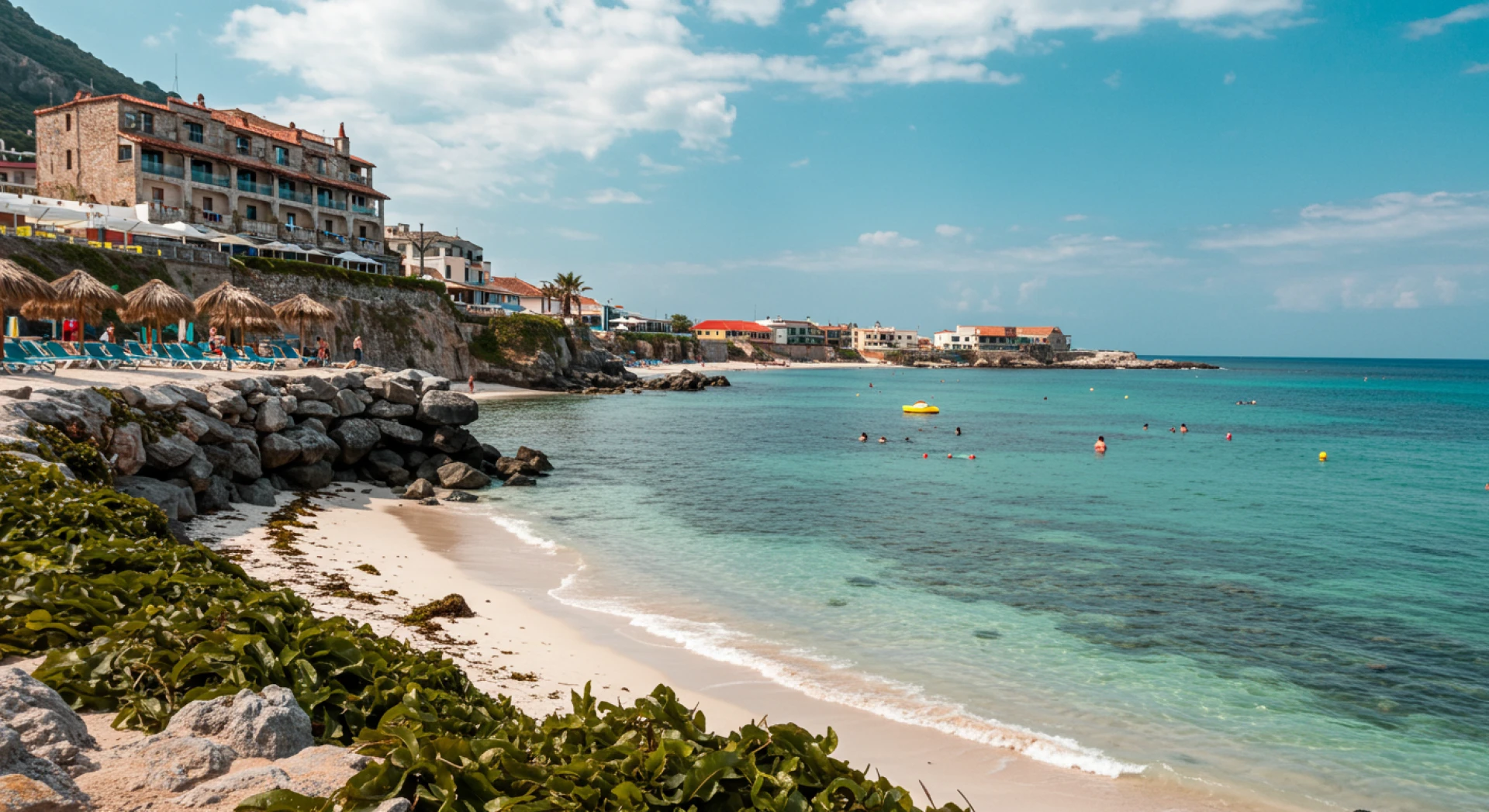
You might be surprised to know that many travelers still visit during this season. Why? Resorts offer great discounts, beaches are less crowded, and the occasional rain shower does not usually ruin an entire day.
A good mindset to have comes from author Vivian Greene, who wrote, “Life is not about waiting for the storm to pass, but learning to dance in the rain.” If you are open to it, you can still enjoy the Dominican Republic, even in the rainier months.
How to Prepare for a Trip During Hurricane Season
If you choose to travel during this period, a few simple steps can make your experience smooth and enjoyable.
Book Flexible Travel Options
Make sure your airline and hotel allow for changes in case of severe weather. Some even offer no charge rescheduling during storm warnings.
Pack for All Conditions
Include a lightweight rain jacket, waterproof shoes, and travel insurance that covers weather related disruptions.
Stay Informed
Use reliable weather apps and follow updates from trusted sources. NOAA is a great website for monitoring hurricanes and tropical storm alerts across the Atlantic and Caribbean.
What Happens if a Storm Is Predicted
If a hurricane is forecasted while you are in the Dominican Republic, especially in popular areas like Punta Cana, rest assured that most resorts are well prepared. They have plans in place to ensure guest safety, including emergency shelters, communication procedures, and evacuation options if needed.
Staff are trained to guide visitors through any weather related issues. In most cases, storms pass quickly, and the sun returns within a day or two.
Still, it is always wise to have travel insurance that includes weather coverage for extra peace of mind.
Should You Avoid Traveling During This Time
Not necessarily. While the risks are slightly higher during hurricane season, many travelers find that the benefits outweigh the potential downsides. Lower prices, better availability at top resorts, and a quieter atmosphere are all big advantages.
For couples in particular, this season offers more privacy and romantic settings. You just need to plan with flexibility and care.
If you are unsure about when to go, take a look at this guide on when is hurricane season in the Dominican Republic. It gives clear insights to help you make the best decision based on your travel goals.
Final Thoughts
Traveling to the Dominican Republic during hurricane season is not off limits. It simply requires awareness, preparation, and an open mindset. The beauty of the island, the warmth of the people, and the experiences you can have are still very much there, even if the forecast shows a little rain.
So the next time you start dreaming about palm trees and ocean waves, do not let hurricane season hold you back. Instead, travel smart, stay informed, and let your trip be a memory worth holding onto.



























Sign in to leave a comment.