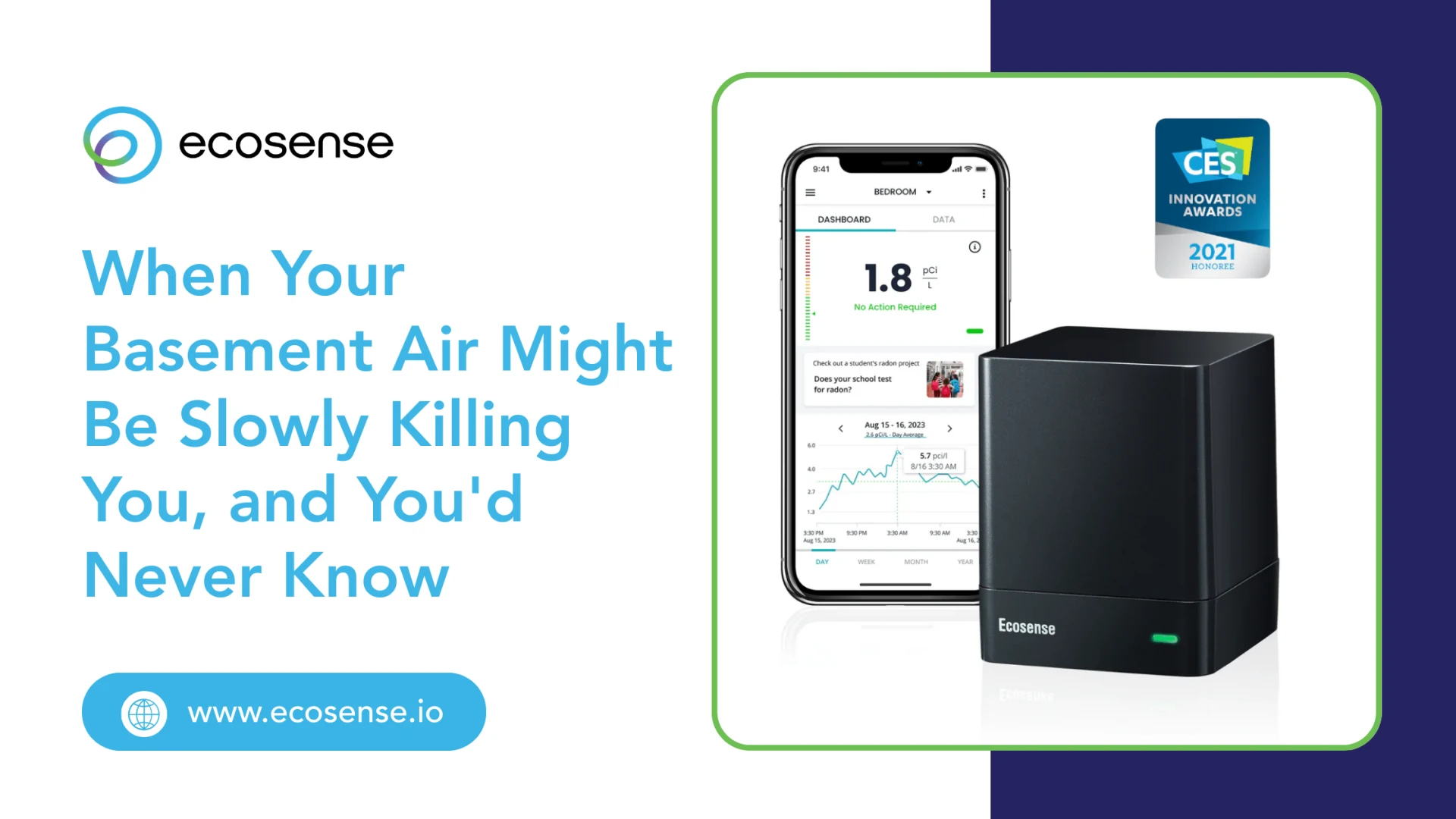

Radon’s colorless. Odorless. Naturally occurring gas. Completely undetectable without specific equipment. Also potentially deadly over long-term exposure. Great combination.
Your house might have radon problems right now. You wouldn’t know unless you’ve tested. Most people haven’t. Because who thinks about invisible radioactive gas until they’re already worried about it?
Why EcoQube Radon Detection Matters
Radon gas comes from uranium decay in soil. Seeps up through foundations into homes. Accumulates in enclosed spaces, especially basements. Long-term exposure increases lung cancer risk significantly.
Testing’s the only way to know. You can’t guess based on neighborhood or house age. Two identical houses next door to each other can have completely different radon levels.
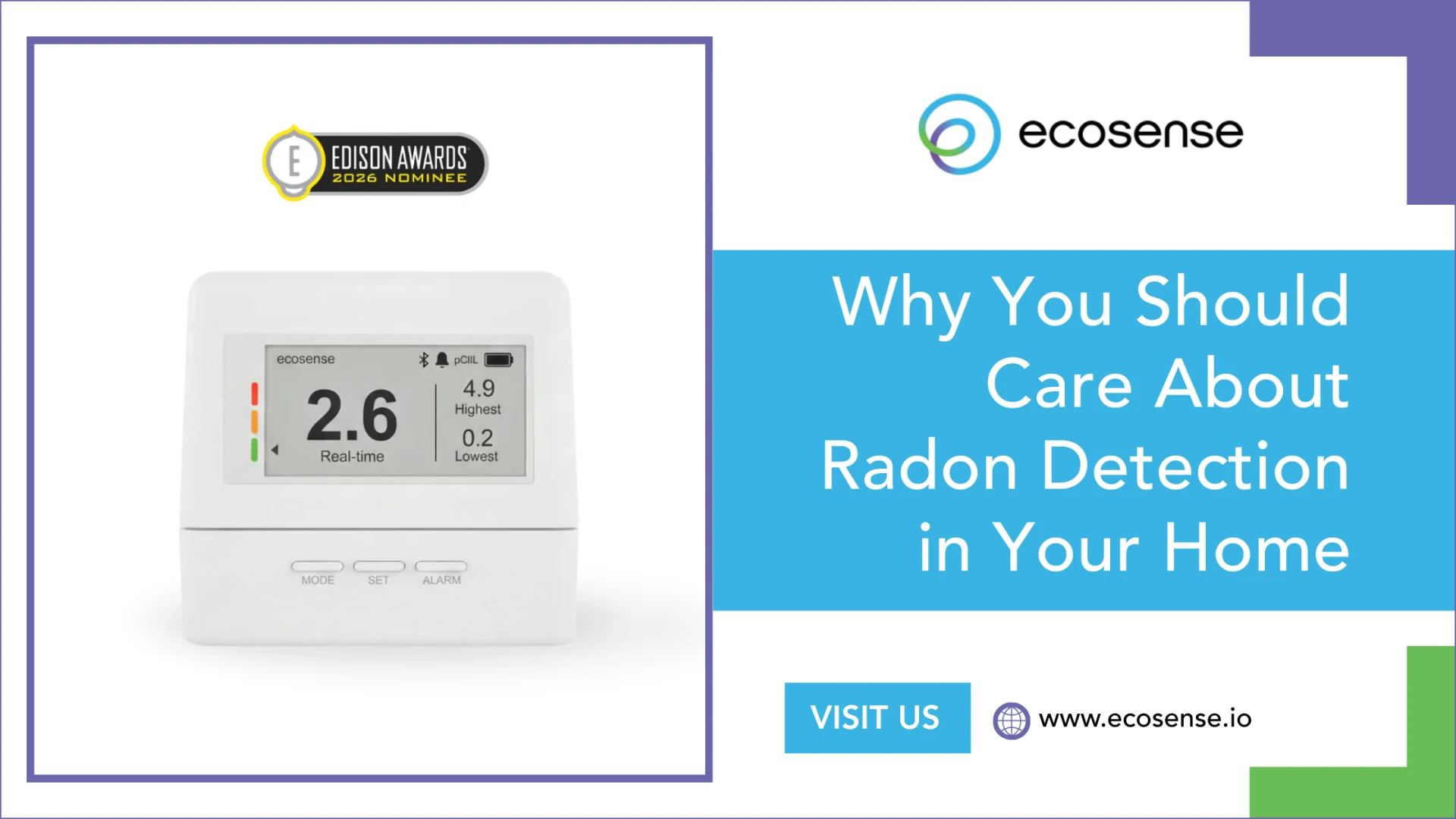
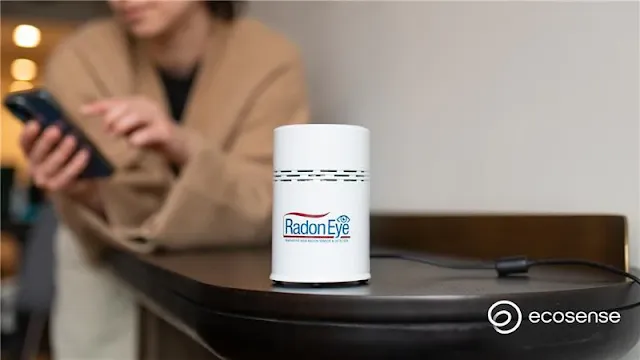
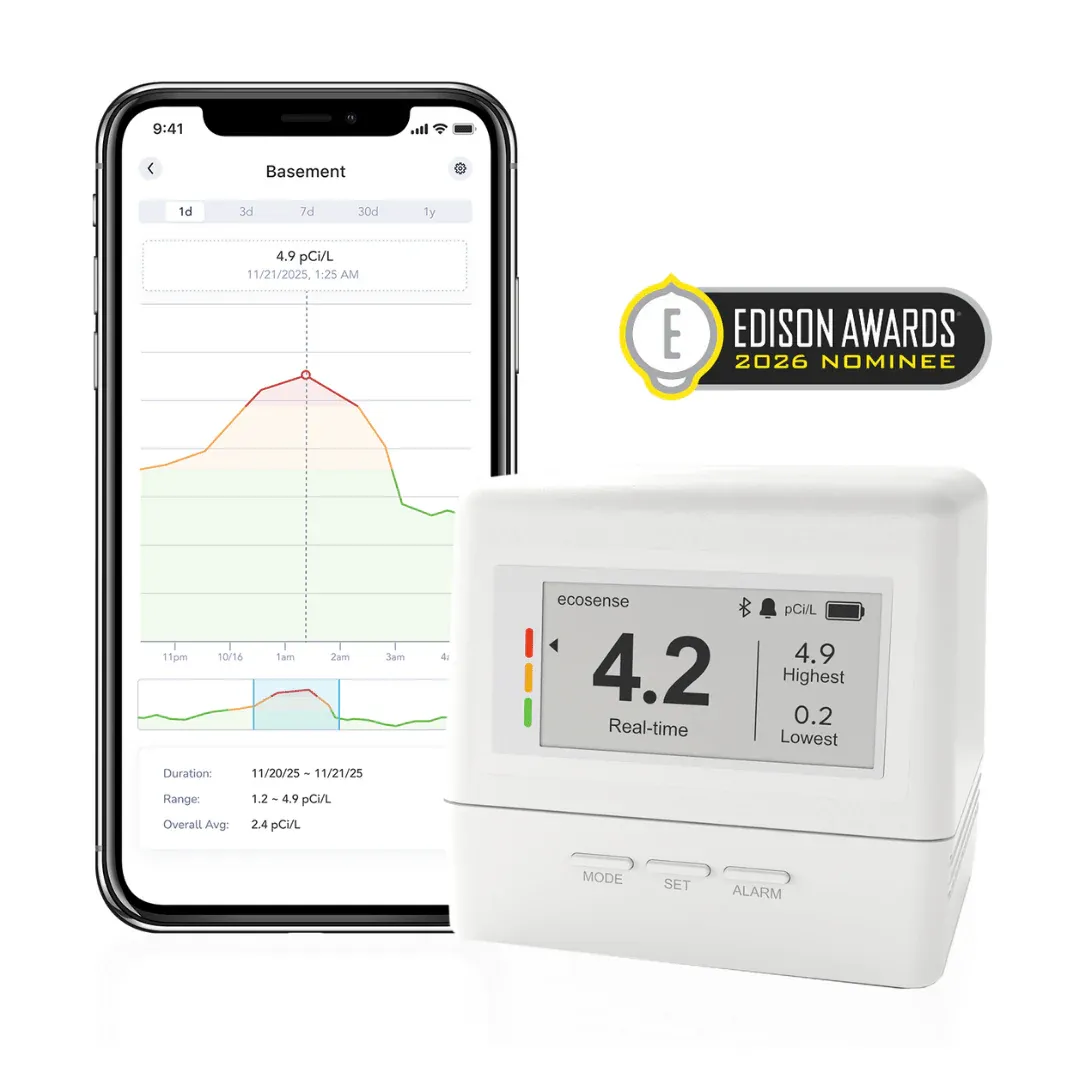
EcoQube Radon Detector for Home Use provides continuous, real-time monitoring instead of one-time tests. Radon levels fluctuate based on weather, ventilation, and season. Continuous data shows actual radon patterns rather than single snapshots.
The Testing Methods Most People Use
Charcoal test kits are affordable and common. Leave them in your basement for a few days, mail them to the lab, and wait for results. Works okay for initial screening, if set up correctly.
But those radon test kits only capture a brief window. Radon levels change constantly. Testing during a period of low levels, like summertime, when most people test right after moving in their new house, might give you false reassurance. You’ll think you’re safe when maybe you’re not.
Continuous radon monitors track levels over time. Show daily fluctuations, seasonal patterns, and how ventilation affects readings. Way more useful information than single-point tests provide.
Why Basements Get the Highest Levels
Radon gas enters through foundation cracks, floor drains, and sump pits. Basements are closest to the source and often poorly ventilated. Perfect conditions for accumulation of radon gas.
Living spaces above basements still get exposure when air circulates through the house. But basement levels typically run the highest. Which matters if anyone spends time down there regularly.
Finished basements used as living spaces? Definitely test. Unfinished storage basements? Still worth knowing, especially if your HVAC system’s down there pulling air through the house.
When Radon Test Results Show Problems
High radon levels require professional mitigation. Usually means installing ventilation systems that pull radon from under the foundation and vent it outside before it enters the house.
Mitigation’s not cheap, but it’s necessary and pays off overtime. Can’t just ignore high radon and hope for the best. Long-term exposure consequences are serious enough for your health that “doing nothing” isn’t really an option.
Post-mitigation testing confirms the system is working efficiently. Because you can install mitigation and still have problems if the system’s not designed or operating properly. Continuous radon monitoring catches these issues, which often discovered long after the radon mitigation system being installed.
The Home Sale Complication
Many home sales now require radon testing. Buyers want to know what they’re getting into. High results can kill deals or require mitigation as closing conditions.
Knowing your levels before listing lets you address problems proactively. Better than discovering issues during inspection when you’re under contract and timeline pressure.
Some states require disclosure of known radon issues. Testing creates knowledge. Once you know, you’re responsible for addressing it. But not testing doesn’t make problems disappear — just means you’re uninformed about risks.
Why Continuous Radon Monitoring Beats One-Time Test Kits
Single tests give you data for that specific testing period. Could be representative of typical levels. Could be an anomaly based on weather or ventilation during the test.
Continuous radon monitoring shows trends. Winter levels versus summer. How opening windows affects readings. Whether your mitigation system is working consistently or starting to fail.
Information quality matters when you’re making decisions about health risks and expensive mitigation systems. Better data means better decisions.
Radon testing seems like worrying about unlikely problems. But high radonlevels are more common in certain areas than you think. Testing’s cheap compared to the medical consequences of long-term radon exposure and increased risk of lung cancer. And honestly? Once you know, addressing it is straightforward enough that there’s no good reason not to.


















Sign in to leave a comment.