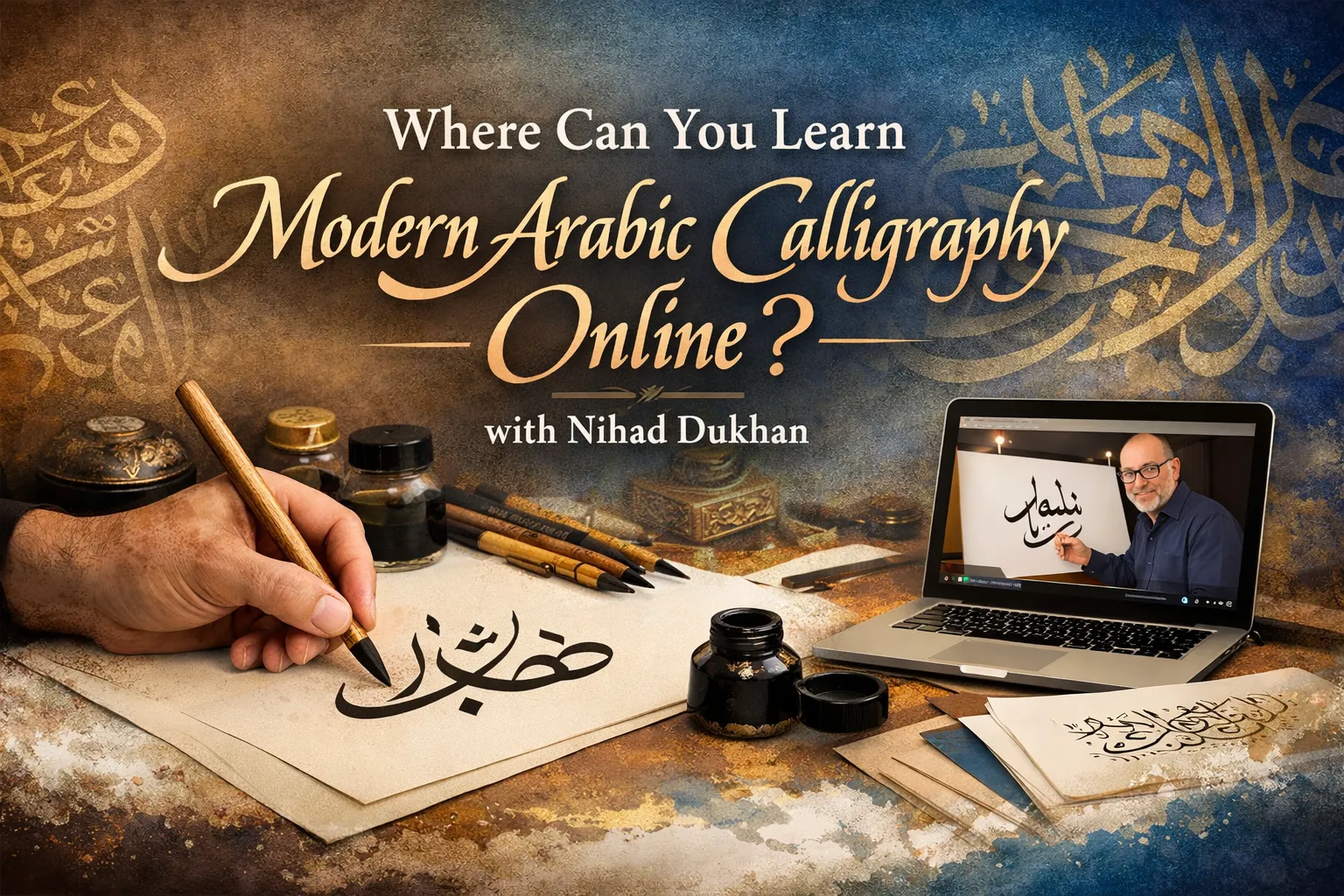
Modern Arabic calligraphy is experiencing a powerful revival. With the rise of digital tools, global connectivity, and creative experimentation, learning this timeless art form has never been more accessible. Whether you are a beginner curious about letterforms or an experienced artist looking to explore contemporary styles, online platforms now offer countless opportunities to learn, practice, and grow.
For those inspired by the expressive beauty of Arabic script, the question is no longer if you can learn, but where you should begin. This guide explores the best ways to learn modern Arabic calligraphy online, what to expect from different platforms, and how to choose the right learning path for your goals.
What is modern Arabic calligraphy?
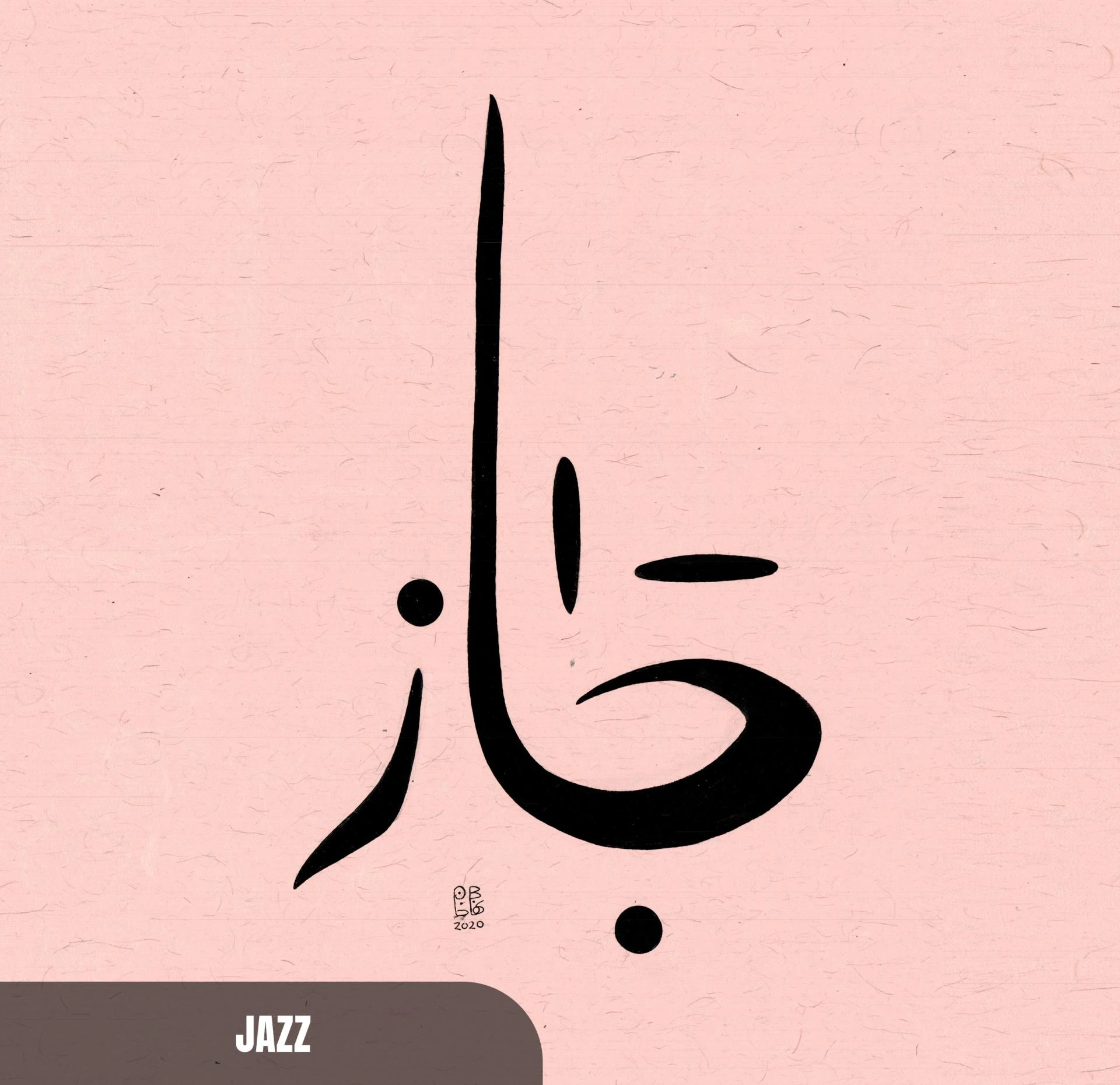
Modern Arabic calligraphy blends traditional rules with contemporary design thinking. It respects classical scripts such as Naskh, Diwani, and Thuluth while allowing creative freedom in composition, abstraction, and digital execution.
Unlike traditional calligraphy, which often focuses strictly on precision and heritage, modern approaches encourage experimentation. Artists combine typography, illustration, and even 3D design to create visually striking work that connects with today’s audience.
Learning this style requires both foundational knowledge and openness to innovation. That is why choosing the right online learning environment is essential.
Why learn Arabic calligraphy online?
Online learning has transformed how people approach creative skills. Here are a few reasons why it is especially effective for Arabic calligraphy:
Accessibility from anywhere
You can learn from experienced artists and educators without geographic limitations. Whether you are in a small town or a major city, quality instruction is just a few clicks away.
Flexible learning pace
Most platforms allow you to learn at your own speed. You can revisit lessons, pause demonstrations, and practice until you feel confident.
Exposure to global styles
Online platforms connect you with artists from different backgrounds. This diversity helps you understand how modern Arabic calligraphy evolves across cultures.
Integration with digital tools
Many courses now include training on digital software, helping you create professional artwork suitable for branding, social media, and print.
Top places to learn modern Arabic calligraphy online
1. Specialized artist platforms and personal websites
One of the best ways to learn modern Arabic calligraphy is directly from professional artists. Many established calligraphers offer structured courses, workshops, and tutorials through their personal websites.
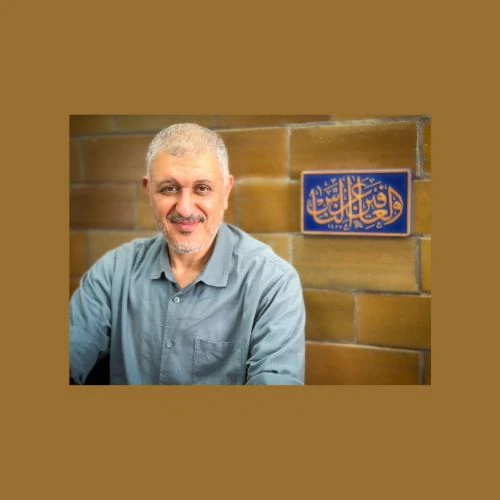
For example, Nihad Dukhan provides a rich learning experience through his platform. His work blends traditional Arabic calligraphy with modern artistic expression, making it ideal for students interested in both heritage and innovation. Learning from a dedicated artist gives you insight into real creative processes rather than generic instruction.
These platforms often include:
- Step by step lessons
- Downloadable practice sheets
- Personalized feedback in some cases
- Insights into artistic philosophy
This option is ideal for learners who want depth and authenticity.
2. Online learning platforms
Websites like Skillshare and Udemy host a wide variety of Arabic calligraphy courses. These platforms are beginner friendly and often more affordable.
You can find courses covering:
- Basic strokes and letterforms
- Modern calligraphy techniques
- Digital calligraphy using tablets
- Composition and layout design
The advantage of these platforms is variety. You can explore different teaching styles and choose what resonates with you. However, quality can vary, so reading reviews and watching previews is important.
3. YouTube and free content creators
YouTube is a powerful resource for learning Arabic calligraphy, especially for beginners. Many artists share tutorials, time lapse videos, and technique breakdowns.
Popular content includes:
- Basic pen techniques
- Ink control exercises
- Digital calligraphy workflows
- Inspiration and process videos
While free content is a great starting point, it often lacks structured progression. It works best when combined with a more organized course.
4. Online workshops and live classes
Live online workshops offer a more interactive learning experience. These sessions are often hosted by professional calligraphers and art institutions.
Benefits include:
- Real time feedback
- Direct interaction with instructors
- Community engagement with other learners
- Focused practice sessions
Workshops can range from beginner introductions to advanced masterclasses. They are especially valuable for improving technique and gaining confidence.
5. Design schools and creative academies
Some online design schools now include Arabic calligraphy as part of their curriculum. These programs often integrate calligraphy with graphic design, branding, and visual storytelling.
This approach is ideal for learners who want to apply calligraphy in professional contexts such as:
- Logo design
- Advertising
- Packaging
- Digital media
These courses tend to be more structured and may require a higher investment, but they provide comprehensive training.
Choosing the right online course
With so many options available, selecting the right course can feel overwhelming. Here are key factors to consider:
Your skill level
If you are a beginner, look for courses that start with basic strokes and letterforms. Advanced learners should seek programs that focus on composition and creative expression.
Learning style
Some people prefer self paced video lessons, while others thrive in live interactive sessions. Choose a format that matches your learning preferences.
Focus area
Decide whether you want to learn traditional foundations, modern styles, or digital techniques. The best course for you will align with your creative goals.
Instructor expertise
Learning from experienced artists can make a significant difference. Look for instructors with a strong portfolio and teaching experience.
Practice resources
Courses that include worksheets, assignments, and feedback opportunities are more effective for skill development.
Tools you will need to get started
Learning modern Arabic calligraphy does not require expensive equipment, but having the right tools helps.
Traditional tools
- Reed pen or calligraphy pen
- Ink
- Smooth paper
Digital tools
- Tablet or iPad
- Stylus such as Apple Pencil
- Design software like Procreate or Adobe Illustrator
Many modern courses teach both traditional and digital methods, allowing you to explore different creative possibilities.
Tips for learning effectively online
Practice consistently
Calligraphy is a skill that improves with repetition. Set aside time each day to practice strokes and letters.
Study letter structure
Understanding proportions and spacing is essential. Pay attention to how letters connect and flow.
Experiment creatively
Modern calligraphy encourages exploration. Try different styles, layouts, and tools.
Seek feedback
Sharing your work with instructors or online communities can help you identify areas for improvement.
Build a portfolio
Document your progress and create a collection of your best work. This can be useful for personal growth or professional opportunities.
How modern Arabic calligraphy fits into today’s creative world
Modern Arabic calligraphy is no longer limited to traditional art forms. It plays a significant role in contemporary design and branding.
Artists use calligraphy in:
- Social media content
- Digital illustrations
- Fashion and merchandise
- Architectural design
- Advertising campaigns
Learning this skill opens doors to both artistic expression and professional opportunities. It allows you to connect cultural heritage with modern creativity in meaningful ways.
Why learning from Nihad Dukhan stands out
When exploring where to learn modern Arabic calligraphy online, it is worth considering platforms that offer both expertise and artistic vision.
Nihad Dukhan’s approach emphasizes:
- Deep understanding of traditional calligraphy
- Innovative modern interpretations
- Clear and structured teaching methods
- Artistic storytelling through letterforms
His platform provides a balance between discipline and creativity, making it suitable for learners at different stages.
Common challenges and how to overcome them
Difficulty with proportions
Arabic calligraphy relies on precise proportions. Use guidelines and practice grids to maintain consistency.
Controlling the pen
Achieving smooth strokes takes time. Practice basic shapes before moving to complex letters.
Feeling overwhelmed
Start small. Focus on one script or style before exploring others.
Staying motivated
Set achievable goals and celebrate progress. Joining a community can also keep you inspired.
The future of learning Arabic calligraphy online
As technology continues to evolve, online learning will become even more immersive. Features such as interactive tutorials, augmented reality tools, and AI driven feedback are likely to enhance the learning experience.
At the same time, the human element remains essential. Learning from experienced artists and engaging with creative communities will continue to play a vital role.
FAQ section
Where is the best place to learn modern Arabic calligraphy online?
The best place depends on your goals. Personal artist platforms like Nihad Dukhan’s website offer in depth learning, while platforms like Skillshare and Udemy provide a wide range of beginner friendly courses.
Can beginners learn Arabic calligraphy online?
Yes, beginners can successfully learn online. Many courses are designed to start with basic strokes and gradually build skills.
Do I need special tools to start?
You can begin with simple tools such as a pen and paper. For digital calligraphy, a tablet and stylus are helpful but not required at the beginning.
How long does it take to learn modern Arabic calligraphy?
Progress depends on practice and dedication. Basic skills can be learned in a few weeks, while mastery takes longer and requires consistent effort.
Is digital Arabic calligraphy easier than traditional?
Digital tools offer flexibility and undo options, which can make learning easier. However, understanding traditional techniques is still important for strong fundamentals.
Can I turn Arabic calligraphy into a career?
Yes, many artists use calligraphy in design, branding, and freelance work. Building a strong portfolio and unique style is key.
Final thoughts
Learning modern Arabic calligraphy online is an exciting journey that blends tradition with innovation. With the right resources, dedication, and creative mindset, anyone can develop this skill and explore its artistic potential.
From structured courses on artist platforms to flexible learning on global websites, the opportunities are vast. The key is to choose a path that aligns with your goals and to stay committed to practice.
Whether you aim to create personal artwork or pursue professional design work, modern Arabic calligraphy offers a meaningful and visually powerful way to express yourself in today’s digital world.



























Sign in to leave a comment.