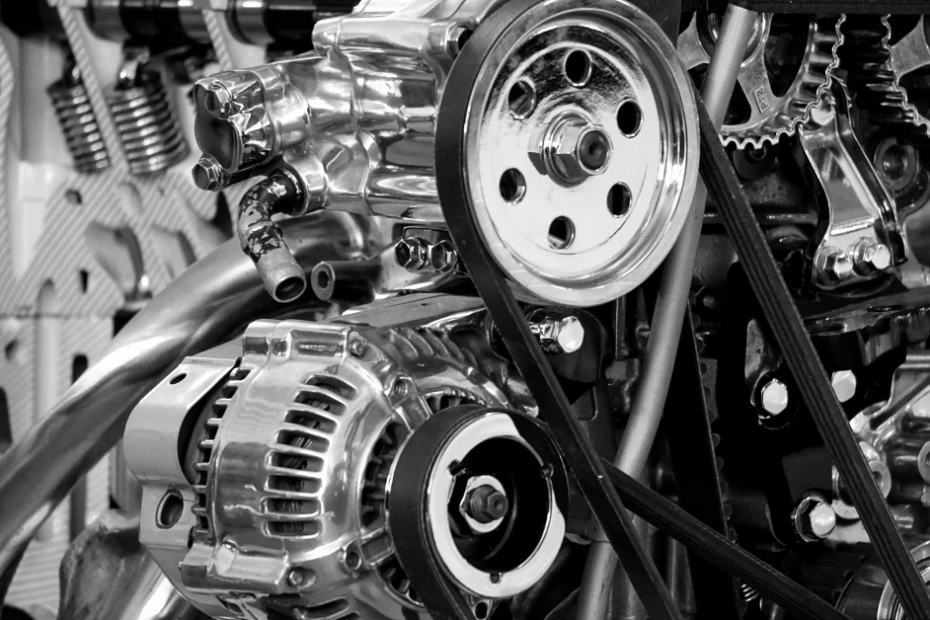

When a car engine gives up, most people go through the same stages. First there’s denial — maybe it just needs a service. Then comes the mechanic visit, the long face, and the quote that makes your stomach drop. At that point, the decision gets real. Do you scrap the car, buy something else, or find a replacement engine and keep the vehicle going?
For a lot of car owners in South Africa, replacing the engine is the most practical option. Buying another car means more debt, more insurance costs, and the risk of stepping into someone else’s problems. If the car you already own is in decent shape, putting a good engine in it is often the smarter call.
The question is where to find one, what to look for, and how to avoid getting burned in the process.
Why a Scrap Yard Should Be Your First Stop
A scrap yard is one of the most reliable places to source replacement car parts in South Africa. Vehicles get written off every day — accidents, flood damage, fire, or simply cars that aren’t worth repairing but still have perfectly good mechanical components. Those components get pulled, tested in many cases, and made available for sale at a fraction of the cost of new parts.
The advantage of going this route is that you’re getting original manufacturer parts that were fitted to the same type of vehicle. The engine you’re buying ran in a car that’s identical or very similar to yours. That matters for compatibility, and it matters for fit.
If you’re based in Gauteng, searching for a scrap yard near me will bring up several options, but not all of them operate at the same standard. A well-run yard will have a catalogued inventory, know what stock they have without having to walk the entire yard to check, and be able to tell you the mileage and condition history of the engine you’re asking about. A disorganised operation is more likely to sell you something without being fully sure of its condition.
A proper scrap yard in Johannesburg will also be able to help you with compatibility questions. If you give them the year, make, model, and engine code of your vehicle, they should be able to confirm whether the unit they have in stock is a direct fit or whether there are differences that need to be accounted for.
The Different Types of Replacement Engines
Not all replacement engines are the same, and understanding the difference helps you make a better decision.
Second hand engines are pulled directly from donor vehicles — cars that were written off but had engines in good running condition at the time. These are the most affordable option and work well when the mileage is reasonable and the engine has a known history. The risk is that you’re relying on what you’re told about its condition, so buying from a reputable source matters a great deal.
Used engines fall into a similar category and the terms are often used interchangeably. The key thing to check is whether the engine has been inspected or at least test-run before sale. Some suppliers do basic checks on compression and oil leaks before putting a unit up for sale. Others don’t. Asking this question upfront tells you a lot about who you’re dealing with.
Imported engines are a different story entirely. These are units brought in from Japan, the UK, or Europe — markets where vehicles are often retired at relatively low mileage compared to South African standards. A Japanese import engine on a well-maintained vehicle can have 60,000 to 80,000 km on it, which makes it an attractive option for someone whose local options have all seen hard use. Import engines have become a popular choice for owners of Japanese makes in particular, where the supply from those markets is strong and the quality is generally consistent.
What to Look for When Buying Car Engines
Sourcing car engines is not the place to rush. A bad decision at this stage costs you twice — once for the engine and again when it needs to be replaced or repaired shortly after installation.
Start with mileage. Lower is better, obviously, but context matters. An engine with 120,000 km that was in a well-maintained fleet vehicle is likely in better shape than one with 90,000 km from a car that never saw a service. Ask about the vehicle the engine came from and whether any documentation is available.
Look for signs of external damage or oil leaks on the unit itself. Cracked components, heavy corrosion, or evidence of previous repairs that weren’t done properly are all things to watch for before committing to a purchase. If possible, have your mechanic inspect the engine before it’s installed rather than after.
Ask about warranty. A reputable supplier will offer at least a short-term warranty on the unit — sometimes 3 months, sometimes 6. This gives you a window to confirm the engine is running correctly before you’re fully on your own with it. No warranty at all should make you cautious.
Make sure the engine code matches your vehicle’s requirements. Within the same model range, manufacturers sometimes used different engine variants across different years or trim levels. Installing the wrong variant can cause issues with sensors, management systems, and performance that aren’t immediately obvious but create problems down the line.
Engines for Sale — What the Market Looks Like
The market for replacement engines in South Africa is active. High vehicle prices and the cost of new parts mean demand for quality used and imported units stays strong. For common makes like Toyota, VW, Ford, and Nissan, supply is generally good and prices are competitive. For less common makes or specific engine variants, you may need to search a bit harder or wait for the right unit to come in.
Pricing varies based on make, mileage, condition, and whether the engine is locally sourced or imported. Getting quotes from more than one supplier is always worth doing — not just to find a lower price, but to compare what’s being offered in terms of condition and warranty.
The total cost of the job includes more than just the engine. Labour for removal and installation, new gaskets and seals, coolant, oil, and any ancillary parts that need replacing at the same time all add to the bill. Getting a full quote upfront — engine plus fitment — lets you make a proper call on whether the repair makes financial sense for your specific vehicle.
For most car owners, a well-sourced replacement engine fitted by a competent mechanic is a perfectly good outcome. The car gets another lease of life, the cost is a fraction of buying new, and you keep a vehicle you already know and trust.


































Sign in to leave a comment.