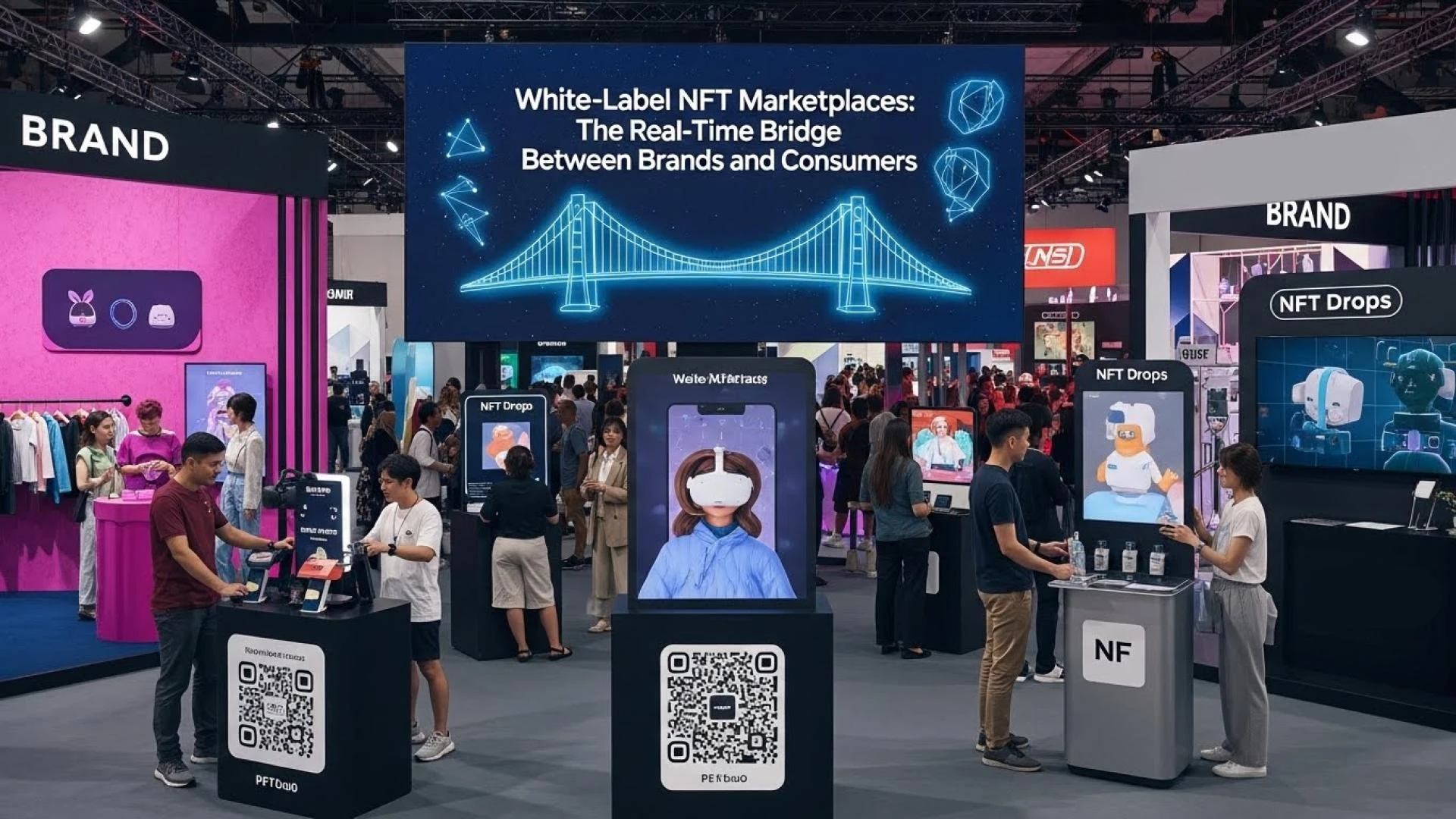

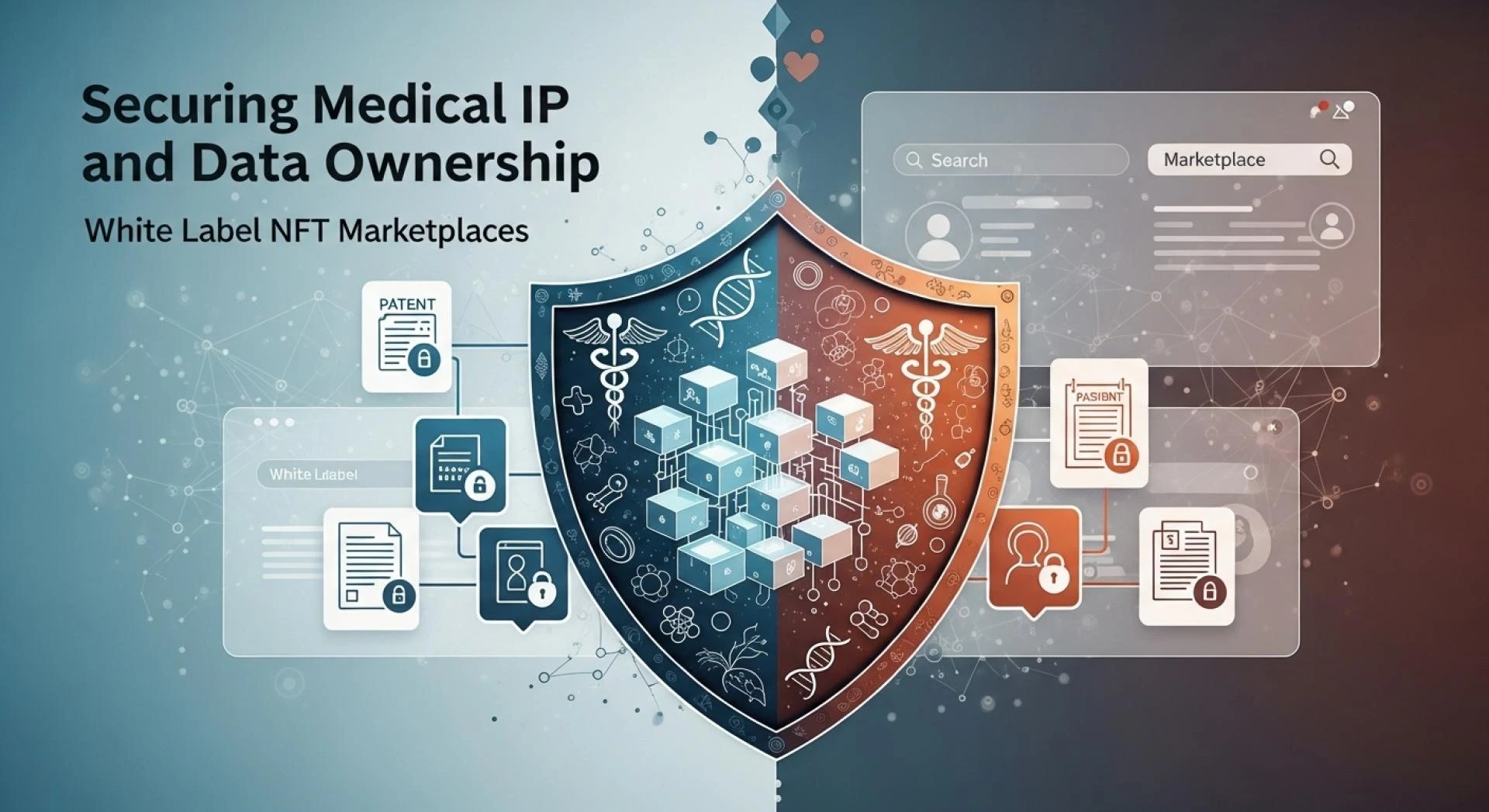
The digital landscape is evolving at a pace that no industry can afford to ignore. As customers increasingly move toward decentralized experiences, immersive digital ownership, and real-time engagement models, brands are rethinking how they build meaningful relationships with their audiences. One technology that has rapidly emerged as a powerful connector between brands and consumers is the white-label NFT marketplace a customizable, ready-to-launch platform that allows businesses to enter the world of NFTs without the complexity of building everything from scratch.
These platforms have become a practical and strategic solution for brands seeking deeper digital engagement. They offer real-time interactions, personalized experiences, and a level of brand ownership that third-party marketplaces cannot provide. By bridging the gap between consumers and the emerging Web3 ecosystem, white-label NFT marketplaces are not just technological tools they are becoming essential components of modern brand experience frameworks.
This blog explores how white-label NFT marketplaces serve as a real-time bridge between brands and consumers, why the adoption rate is rising, and how businesses across industries can leverage these platforms to boost engagement, loyalty, and long-term brand value.
Understanding the Shift Toward Real-Time Digital Engagement
Consumers today expect brands to provide instant communication, instant rewards, and instant value. Real-time interaction is no longer an innovation—it has become the standard.
Modern users want:
- Immediate access to products, perks, and experiences
- Personalized engagement that matches their interests
- Transparent and secure digital ownership
- A sense of participation in brand ecosystems
- Fast, interactive digital platforms
Traditional loyalty programs, email campaigns, or static digital platforms cannot keep up with these expectations. The evolution of NFT technology, paired with customizable white-label solutions, unlocks new real-time touchpoints between brands and users.
A white-label NFT marketplace becomes a real-time engagement engine by giving users:
- Instant NFT drops
- Real-time rewards for digital and physical interactions
- Live auctions and time-limited sales
- Immediate transfer of ownership
- Rapid authentication processes
- Continuously updated utilities or benefits
This shift toward instant, interactive digital ownership is why white-label NFT marketplaces are becoming a critical asset for brands across industries.
What Makes White-Label NFT Marketplaces the Ideal Connector?
White-label NFT marketplaces stand out because they provide full brand control while reducing development time and cost. Instead of relying on public NFT platforms where the user experience is shared with thousands of other creators brands can build their own dedicated ecosystem.
White-label marketplaces become a bridge by offering:
- A dedicated brand-controlled environment
- Direct communication between the brand and its consumers
- Real-time, highly personalized engagement mechanisms
- Secure and trusted transactions
- Custom utilities tied directly to brand products or services
As a result, brands can interact with consumers in ways that traditional marketing, e-commerce, and loyalty channels cannot replicate.
Key Real-Time Features That Strengthen Brand–Customer Relationships
White-label NFT marketplaces come with a range of real-time features that strengthen the connection between brands and consumers. These functionalities make the interaction more dynamic and keep users actively engaged.
1. Instant NFT Minting and Distribution
Consumers can instantly mint or claim NFTs during:
- Product purchases
- Event participation
- Live-stream activities
- Online challenges
Instant minting transforms simple interactions into rewarding, memorable experiences and gives customers something valuable to keep or share.
2. Real-Time Notifications
These include alerts for:
- New drops
- Auctions and bid updates
- Loyalty reward NFTs
- Exclusive events
- Timed access benefits
Real-time notifications increase user engagement and bring people back to the platform consistently.
3. Time-Sensitive NFT Drops
Brands can release:
- Limited-edition collectibles
- Flash-sale NFTs
- Seasonal tokens
- Event-specific assets
These timed releases create excitement, urgency, and social buzz.
4. Dynamic NFTs That Update Live
Dynamic NFTs allow brands to change attributes or utilities based on:
- Customer behavior
- Event participation
- Milestones
- Product use
This creates a sense of progression and keeps customers actively involved.
5. Real-Time Analytics and Insights
Brands get immediate insights into:
- Drop performance
- User behavior
- Engagement metrics
- Transaction trends
This data helps brands make informed decisions and optimize their NFT strategies.
How Real-Time NFT Interactions Improve Customer Engagement
Real-time interactions significantly enhance connectedness and consumer experience. The more interactive and instant the engagement becomes, the deeper the emotional connection users feel with the brand.
White-label NFT marketplaces achieve this by enabling:
• Immediate Rewards
Users receive tokens instantly when engaging with the brand. These rewards can be used for discounts, early access, or exclusive perks.
• Ownership-Based Loyalty
Unlike traditional points, NFTs provide true ownership. Consumers feel valued because they own something permanent and transferable.
• Interactive Brand Moments
Real-time NFT claims during events, streams, or product launches create memorable micro-experiences.
• Gamified Engagement
Challenges, leaderboards, and experience-based NFTs make participation more fun and meaningful.
• Community Building
Real-time interactions foster active, engaged communities around brand-issued NFTs.
These benefits create continuous engagement loops, each contributing to long-term loyalty and visibility.
Why Brands Prefer White-Label Over Public Marketplaces
Public platforms like OpenSea or Rarible have massive user bases, but they lack the brand-specific experience businesses want. White-label NFT marketplaces provide the perfect solution.
1. Full Branding Control
Every element can be personalized:
- UI/UX
- Themes
- Marketplace features
- Smart contract logic
- Loyalty utilities
This ensures the entire ecosystem reflects the brand identity.
2. Direct Customer Ownership
Brands maintain ownership of the customer relationship rather than sharing it with a third-party platform.
3. Custom Utility Options
Brands can build unique utilities tailored to their audience—something not possible on generic platforms.
4. Better Security and Trust
A dedicated marketplace ensures security standards meet brand expectations.
5. Long-Term Ecosystem Growth
Brands can keep expanding the marketplace as new strategies and use cases evolve.
This level of ownership and customization transforms a simple NFT presence into a complete Web3 brand ecosystem.
How White-Label Marketplaces Improve Visibility and Reach
Real-time NFT marketplaces amplify brand visibility across multiple channels.
Social Sharing
NFTs are naturally shareable:
- Users post them on social media
- Wallets display them publicly
- Communities discuss them
- Influencers highlight them
Every NFT acts as a mini advertisement.
Marketplace Presence
Even within the brand’s own white-label marketplace, NFTs circulate among users, gaining exposure.
Community Growth
Communities built around branded NFT experiences continuously promote the brand through:
- Discussions
- Events
- Collaborations
- User-generated content
Secondary Market Sales
When users trade NFTs, new buyers discover the brand.
Utility-Based Interactions
Every time a user redeems or interacts with their NFT, visibility increases.
Industry Examples of Real-Time NFT Adoption
White-label NFT marketplaces are being adopted across multiple sectors due to their ability to bring brands closer to consumers.
Retail and E-commerce
Brands offer digital twins, loyalty passes, and instant purchase rewards.
Sports
Teams issue real-time event NFTs, fan engagement tokens, and player collectibles.
Entertainment
Artists and studios release limited-edition NFTs during live events or streams.
Hospitality
Hotels and travel brands use NFTs for membership, upgrades, and exclusive experiences.
Gaming
Game studios integrate NFT rewards and character assets into gameplay.
Luxury Brands
Authenticity certificates and VIP membership passes strengthen consumer trust and exclusivity.
Each use case reinforces the brand with real-time touchpoints that deepen consumer relationships.
Future Opportunities for Real-Time Brand Engagement
As technology evolves, white-label NFT marketplaces will become even more powerful. Emerging trends include:
AI-Powered Dynamic NFTs
NFTs that adapt automatically to user behavior or brand campaigns.
Cross-Metaverse Integrations
NFTs usable across different metaverse platforms.
AR and VR Experiences
Immersive digital interactions tied to NFT ownership.
Tokenized Loyalty Ecosystems
NFT-based loyalty programs evolving into multi-brand reward networks.
Hyper-Personalized NFT Drops
AI-driven personalization that tailors NFT rewards to individual users.
These innovations will expand the real-time capabilities of white-label solutions even further.
Conclusion
White-label NFT marketplaces have emerged as one of the most powerful tools for brands aiming to build real-time, authentic connections with their consumers. They provide instant engagement, true digital ownership, and customizable brand-controlled environments that cannot be replicated by traditional marketing channels or public NFT platforms. By integrating real-time features such as instant minting, dynamic utilities, gamification, and community-driven interactions, these marketplaces elevate brand visibility, loyalty, and long-term customer value.
As the world transitions deeper into Web3, these platforms will continue to evolve, offering even more advanced ways for brands to bridge the gap between themselves and their audiences. For businesses looking to stay ahead of the curve, adopting a white-label NFT marketplace is no longer an optional innovation it is an essential step toward building future-ready customer relationships.




















Sign in to leave a comment.