

Cheek volume loss, facial asymmetry, and early signs of aging are common concerns for many people considering aesthetic enhancements such as Cheek Fillers Injections in Dubai Understanding who is suitable for this type of non-surgical treatment is essential before making any decision, as eligibility depends on facial structure, skin condition, health status, and personal expectations.
Cheek fillers are designed to restore lost volume, enhance facial contours, and create a more lifted and youthful appearance. However, they are not suitable for everyone. This article explores in detail who can benefit from cheek fillers, who should avoid them, and what factors determine suitability.
Understanding Cheek Fillers Injections
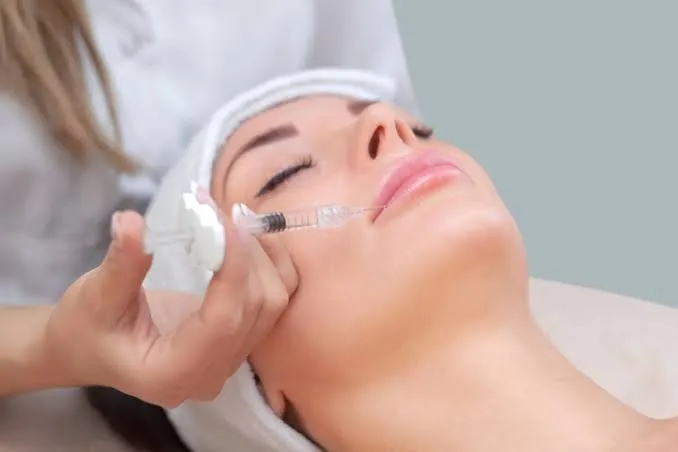
Cheek fillers are injectable substances typically made of hyaluronic acid or similar biocompatible materials. They are strategically placed in the mid-face area to enhance volume, improve contour definition, and support facial balance.
Unlike surgical procedures, cheek fillers are non-invasive and temporary, making them appealing for individuals seeking subtle yet noticeable improvements without long recovery periods.
How Cheek Fillers Work
Cheek fillers work by replenishing lost volume beneath the skin. As people age, fat pads in the face naturally decrease, leading to sagging or a hollow appearance. Fillers restore this volume, which can:
- Lift the mid-face area
- Improve cheekbone definition
- Smooth mild wrinkles around the cheeks
- Enhance facial symmetry
The results are usually immediate, though subtle swelling may temporarily affect the final appearance.
Who Can Have Cheek Fillers Injections?
Not everyone is an ideal candidate for cheek fillers. Suitability is determined by age, skin condition, overall health, and aesthetic goals. Below are the main categories of individuals who can benefit from this treatment.
Adults Experiencing Volume Loss
One of the most common groups suitable for cheek fillers includes adults who have started to experience natural facial volume loss.
Signs of Volume Loss Include:
- Flattened or hollow cheeks
- Reduced facial fullness
- Tired or sunken appearance
- Early skin sagging
This type of aging is natural and typically begins in the late 20s to 40s, though it varies from person to person. Cheek fillers can restore youthful contours without altering natural facial identity.
Individuals with Naturally Flat or Underdefined Cheeks
Some people are born with less prominent cheekbones or naturally flat mid-face structures. These individuals may not necessarily be aging but still seek better facial balance.
Benefits for This Group:
- Improved facial proportions
- Enhanced cheekbone definition
- More sculpted facial appearance
- Balanced side profile
Cheek fillers can create subtle enhancements that improve confidence while maintaining a natural look.
People Seeking Facial Symmetry Improvement
Facial asymmetry is very common and often subtle, but it can affect how balanced the face appears. Cheek fillers can be used to correct uneven volume distribution.
Examples of Asymmetry Issues:
- One cheek appearing lower or flatter
- Uneven facial contours
- Imbalanced mid-face volume
By carefully adjusting volume placement, cheek fillers can help create a more symmetrical and harmonious appearance.
Individuals Wanting Non-Surgical Facial Enhancement
Many people prefer non-invasive solutions instead of surgical procedures due to convenience, lower downtime, and reversibility.
Ideal For Those Who:
- Want visible but natural enhancement
- Prefer non-surgical cosmetic options
- Have limited time for recovery
- Want temporary yet adjustable results
Cheek fillers offer flexibility, allowing adjustments over time based on evolving aesthetic preferences.
Who Should Avoid Cheek Fillers?
While cheek fillers are widely used, they are not suitable for everyone. Certain conditions and situations may make the procedure unsafe or less effective.
People with Active Skin Infections or Inflammation
Individuals with skin infections, acne flare-ups, or inflammation in the treatment area should avoid fillers until the condition is resolved. Injecting into compromised skin can lead to complications.
Individuals with Severe Allergic History
Although modern fillers are generally safe, people with a history of severe allergic reactions to injectable substances should proceed with caution and consult a qualified professional before considering treatment.
Pregnant or Breastfeeding Individuals
For safety reasons, cosmetic injectables are typically not recommended during pregnancy or breastfeeding due to limited research on effects during these periods.
People with Certain Medical Conditions
Some medical conditions may affect healing or increase risks associated with injectable treatments.
Examples Include:
- Autoimmune disorders
- Blood clotting issues
- Severe chronic illnesses
A thorough medical evaluation is important before considering cheek fillers.
Age Considerations for Cheek Fillers
Age is not the only determining factor for eligibility, but it does influence how fillers are used and what results can be expected.
Younger Adults (20s–30s)
In younger individuals, cheek fillers are often used for enhancement rather than correction. The goal is typically facial contouring, definition, or symmetry improvement.
Middle Age (30s–50s)
This group commonly seeks restoration of lost volume and lifting effects due to natural aging changes.
Mature Adults (50+)
In older individuals, cheek fillers may be used to restore significant volume loss, but treatment plans are usually more conservative to ensure natural-looking results.
Psychological Readiness and Expectations
Suitability is not only physical but also psychological. A good candidate understands what cheek fillers can and cannot achieve.
Healthy Expectations Include:
- Desire for enhancement, not perfection
- Understanding that results are temporary
- Willingness to maintain results over time
- Acceptance of subtle, natural changes
Those with unrealistic expectations may not be ideal candidates, as satisfaction depends heavily on achievable outcomes.
Lifestyle Factors That Affect Suitability
Certain lifestyle habits can influence how well cheek fillers work and how long results last.
Positive Factors:
- Healthy skincare routine
- Hydrated skin
- Non-smoking lifestyle
- Balanced diet
Negative Factors:
- Heavy smoking
- Excessive sun exposure
- Poor skincare habits
While these factors do not necessarily disqualify someone, they can affect results and longevity.
Final Thoughts
Cheek fillers are a versatile cosmetic option suitable for a wide range of individuals seeking facial enhancement, rejuvenation, or symmetry improvement. The ideal candidate is typically a healthy adult with realistic expectations who desires subtle yet effective facial contouring. Whether addressing age-related volume loss or enhancing naturally flat cheeks, cheek fillers can offer noticeable improvements when used appropriately and thoughtfully.
Understanding suitability is the first step toward achieving natural and balanced results that enhance rather than change your overall appearance.




















Sign in to leave a comment.