

When it comes to firearm ownership, safety is key for responsible handling. It is true that training, storage practices, and awareness are all essential. However, many people overlook one of the most critical elements of safety: the quality and condition of the firearm’s components.
Every spring, pin, trigger part, and small internal piece plays a role in the reliability and consistency of a firearm’s operation.
When components are worn, poorly made, or improperly maintained, they can compromise performance and more importantly, safety.
1. Safe Function
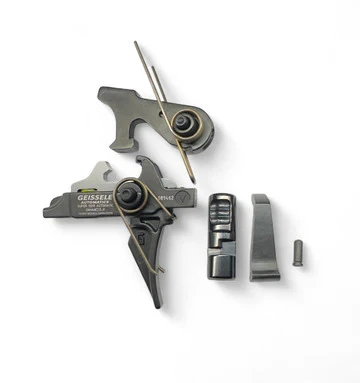
Firearms rely on safe interacting components. Even the smallest part such as a detent, selector piece, or spring contributes to proper mechanical movement. The best super safety trigger systems are manufactured to consistent specifications. It reduces the likelihood of irregular behavior, inconsistent tension, or premature wear.
When parts are made with reliable materials and machining practices, they support:
- predictable mechanical movement
- stable operation
- reduced risk of premature failure
- more consistent interaction between moving components
Quality components don’t make a firearm safer by themselves. However, they minimize risks that arise from inconsistent or unreliable construction.
2. Material and Manufacturing Quality
All mechanical systems experience wear, and firearms are no exception. Components made with durable metals and proper heat treatment withstand long-term use more effectively.
When parts wear evenly and predictably, owners can identify changes before they become problems.
However, low-grade materials or inconsistent manufacturing can lead to:
- faster degradation
- irregular wear
- compromised mechanical alignment
- unpredictable operational behavior
So, you need to understand the material quality of components. It is a key factor in responsible firearm ownership.
3. Maintenance
The best super safety parts accessories need routine care. Maintenance is about consistency. Clean surfaces, lubrication, and regular inspection help ensure that parts work the way they are designed to.
When you follow good maintenance practices, it allows owners to:
- check any damaged parts early
- ensure components are in their positions
- track debris and check if those are affecting mechanical movement
Do regular checks. It helps spot any of the changes.
4. Early Detection
When you are doing proper maintenance, it means you are focusing on early problem detection. You must have seen that when a component begins to degrade, it rarely fails all at once. Most issues develop gradually. Regular inspections and cleaning routines help reveal signs such as:
- uneven wear
- corrosion
- loss of tension
- damaged surfaces
- irregular movement
You need to identify problems earlier. It helps prevent mechanical malfunctions. Otherwise, those could contribute to unsafe conditions. Mostly, the responsible owners understand the importance of replacing compromised components.
To Wrap Up
Super safety systems are more than handling rules. It is about the condition and use of the equipment itself.
If you have quality components, it helps ensure consistent and reliable mechanical function. However, proper maintenance supports long-term safety and dependability.


























Sign in to leave a comment.