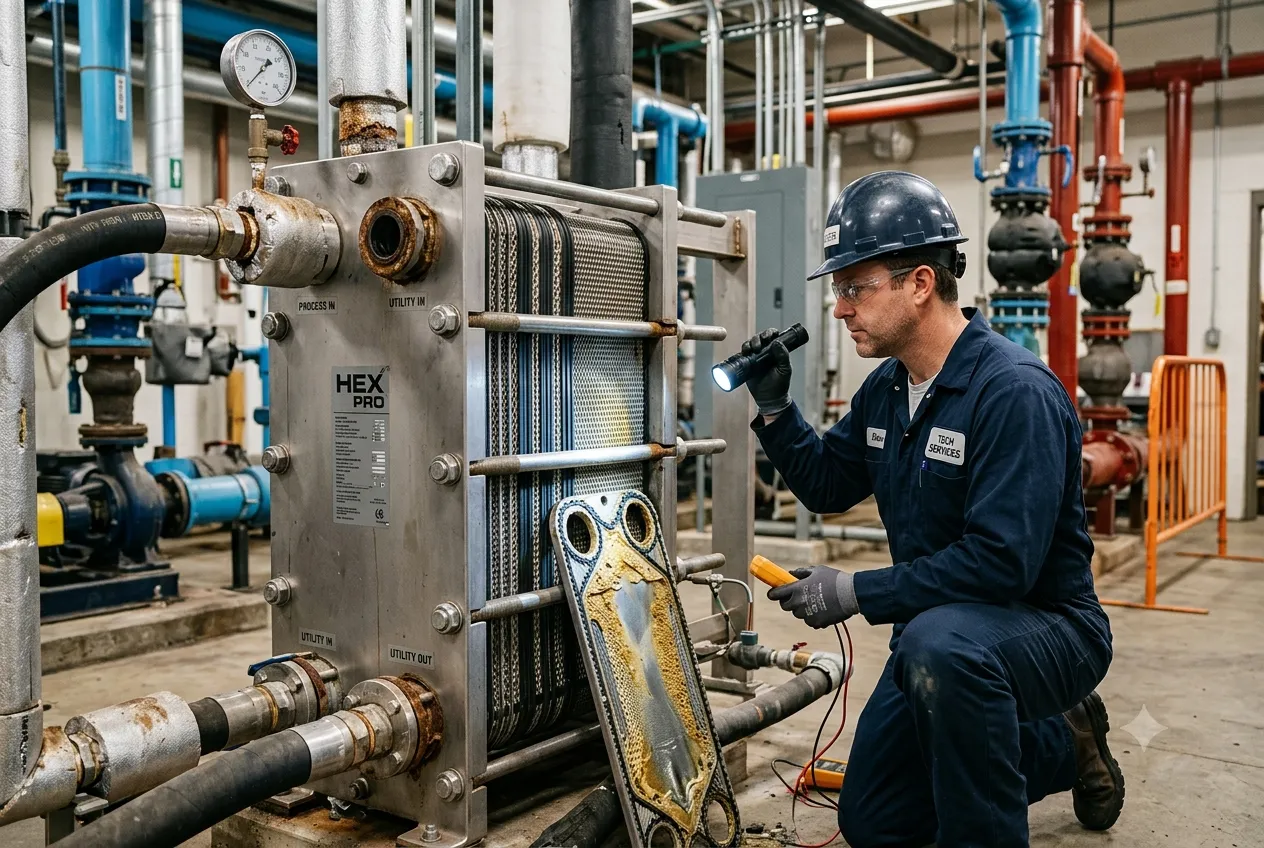

A heat exchanger is one of the most important components in any cooling or heating system. It transfers heat efficiently between two fluids without allowing them to mix, helping industrial facilities, commercial buildings, and HVAC systems maintain the right operating temperature. However, even a well-designed unit can gradually lose its efficiency if it is not maintained properly.
A drop in performance often goes unnoticed until energy bills increase, cooling capacity declines, or unexpected equipment failures occur. Understanding the reasons behind this loss of efficiency can help you prevent costly repairs and extend the life of your equipment.
If you are looking for reliable and high-quality heat exchangers, choosing the right solution and following a proper maintenance routine can significantly improve system performance.
1. Fouling and Scale Build-Up
One of the most common reasons for reduced efficiency is fouling. Over time, minerals, dirt, rust, and biological contaminants accumulate on the heat transfer surfaces. This layer acts as an insulator, making it harder for heat to pass between fluids.
Even a thin layer of scale can reduce heat transfer efficiency and force the system to consume more energy. Regular cleaning and water treatment can help prevent these deposits from affecting performance.
2. Corrosion Inside the Heat Exchanger
Corrosion slowly damages the internal surfaces of a heat exchanger. It reduces the effectiveness of heat transfer and may eventually lead to leaks or structural failure.
Poor water quality, chemical imbalance, and exposure to corrosive fluids are among the leading causes. Regular inspections and corrosion-resistant materials can reduce this risk and increase equipment lifespan.
3. Blocked Flow Paths
Restricted flow is another common issue. Dirt, debris, sludge, or foreign particles can partially block the channels inside the heat exchanger.
When fluid cannot circulate freely, heat transfer becomes uneven and system efficiency drops. Monitoring pressure differences across the unit can help identify blockages before they become serious.
4. Incorrect Flow Rates
Every heat exchanger is designed to operate within a specific flow range. If the flow rate is too high or too low, heat transfer performance decreases.
Incorrect pump sizing, damaged valves, or changes in system demand may affect flow rates. Periodic system balancing helps maintain optimal performance.
5. Air Entrapment
Air trapped inside the system creates pockets that reduce contact between the fluid and heat transfer surfaces. This lowers efficiency and may also increase corrosion.
Proper venting during installation and routine maintenance helps eliminate trapped air and keeps the system operating smoothly.
6. Worn or Damaged Components
Gaskets, plates, tubes, and seals naturally wear out over time. Damaged components can lead to leaks, pressure loss, and reduced thermal performance.
Routine inspections allow maintenance teams to identify worn parts early and replace them before they affect the entire system.
7. Poor Water Quality
Water quality has a direct impact on heat exchanger performance. High mineral content, suspended solids, and untreated water accelerate scaling and corrosion.
Using appropriate filtration systems and maintaining proper water chemistry can greatly improve efficiency while reducing maintenance costs.
8. Lack of Preventive Maintenance
Many efficiency problems develop gradually. Without scheduled inspections, small issues become expensive repairs.
A preventive maintenance program should include cleaning, leak inspections, pressure testing, flow verification, and performance monitoring. Keeping maintenance records also helps identify recurring issues before they lead to major downtime.
Warning Signs That Should Not Be Ignored
A heat exchanger usually provides clear signs when efficiency begins to decline. Watch for symptoms such as:
- Rising energy consumption
- Reduced cooling or heating performance
- Higher operating temperatures
- Increased pressure drop
- Unusual noises or vibration
- Frequent system shutdowns
- Visible leaks around the unit
Addressing these warning signs early can prevent unexpected failures and reduce operating costs.
How to Improve Heat Exchanger Efficiency?
Improving efficiency does not always require replacing the entire unit. In many cases, a few simple maintenance practices can restore performance.
Start by scheduling regular cleaning based on operating conditions. Monitor water quality and treat it when necessary. Replace damaged seals and components promptly. Verify flow rates during routine inspections and keep detailed maintenance records. Investing in periodic professional servicing also helps detect hidden issues before they become major problems.
Final Thoughts
A heat exchanger that loses efficiency not only increases energy consumption but also places additional stress on the entire cooling or heating system. Most efficiency losses are caused by preventable issues such as fouling, corrosion, blocked passages, poor water quality, or neglected maintenance.
By identifying these problems early and following a proactive maintenance schedule, businesses can improve system reliability, lower operating costs, and extend equipment life. Regular inspections and timely servicing ensure that your heat exchanger continues to deliver consistent performance for years to come.













Sign in to leave a comment.