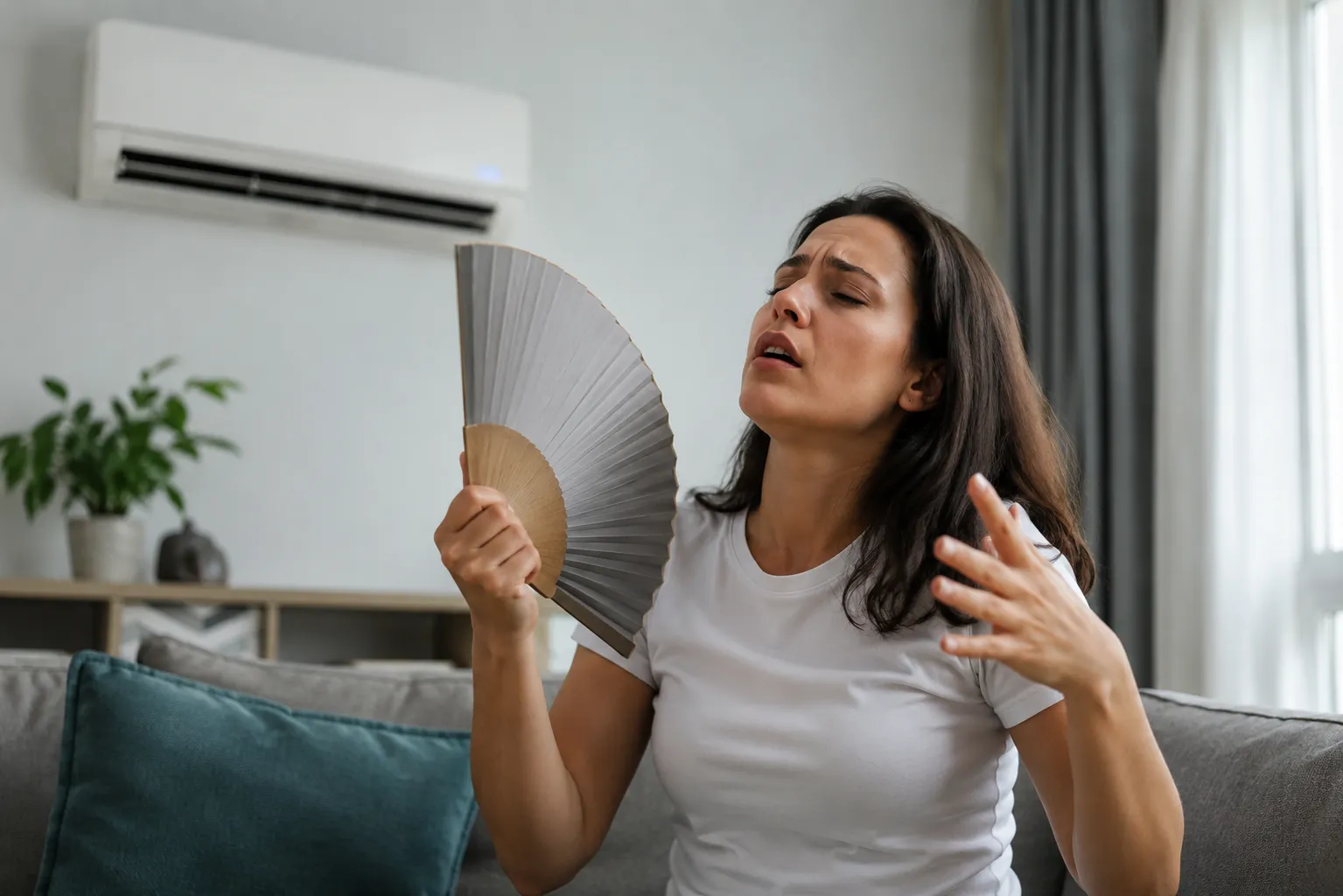

Air conditioners are designed to do more than just cool the air. They also remove excess moisture from indoor spaces, helping maintain a comfortable humidity level. If your home still feels sticky, damp, or uncomfortable while the AC is running, something may not be working as it should.
High indoor humidity can make rooms feel warmer than they actually are, encourage mould growth, and affect overall indoor air quality. Understanding the common reasons behind this issue can help you identify when simple adjustments are enough and when professional attention is required.
1. The AC Unit Is Oversized
Many people assume that a larger air conditioner will provide better cooling. In reality, an oversized system can create humidity problems.
A properly sized AC runs long enough to remove both heat and moisture from the air. However, an oversized unit cools the room very quickly and shuts off before it has enough time to dehumidify the air effectively. As a result, your home may reach the desired temperature but still feel humid.
This is one reason why proper AC sizing is important when installing a new system.
2. Dirty Air Filters Are Restricting Airflow
Air filters play a crucial role in maintaining airflow through the system. Over time, dust and debris accumulate on the filter, reducing the amount of air passing through the evaporator coil.
Restricted airflow can interfere with the cooling cycle and reduce the system's ability to remove moisture from indoor air. A clogged filter can also increase energy consumption and put additional stress on the equipment.
Most manufacturers recommend checking filters monthly and replacing them regularly according to usage and environmental conditions.
3. Evaporator Coils Need Cleaning
The evaporator coil is responsible for absorbing heat and removing moisture from the air. When dirt builds up on the coil surface, the heat exchange process becomes less efficient.
Dirty coils can reduce cooling performance and leave excess humidity inside the home. Routine maintenance helps ensure the coils remain clean and operate efficiently.
Professional cleaning is often recommended because improper handling may damage the delicate fins and components.
4. Leaky Ductwork Can Introduce Moisture
Air ducts distribute cooled air throughout the house. If the duct system has leaks or gaps, warm and humid air from unconditioned spaces may enter the system.
This additional moisture can make indoor areas feel damp even when the air conditioner is operating continuously. Leaking ducts can also lead to uneven temperatures and increased energy bills.
Sealing damaged ducts improves efficiency and helps maintain more consistent humidity levels.
5. The Drain Line May Be Blocked
During normal operation, moisture removed from the air is collected and drained away through the condensate drain line.
If this drain becomes clogged by dirt, algae, or debris, water may accumulate inside the system. In some cases, excessive moisture can contribute to higher humidity levels and may even cause water leaks around the indoor unit.
Regular inspection and maintenance help prevent drainage issues before they become serious.
6. Extremely High Outdoor Humidity
Cities with hot climates often experience periods of elevated humidity. During such conditions, your air conditioner has to work harder to remove moisture from the air entering your home.
Although modern systems are designed to manage humidity, extreme outdoor conditions can reduce overall efficiency. Keeping doors and windows closed and ensuring proper insulation can help limit the amount of moisture entering the house.
7. Incorrect Thermostat Settings
Some thermostat settings can contribute to humidity problems. For example, keeping the fan setting permanently on instead of using the "Auto" mode may cause moisture that has collected on the evaporator coil to circulate back into the living space.
Using the automatic fan setting allows the system to complete the dehumidification process more effectively.
8. Lack of Regular Maintenance
Routine maintenance is one of the most important factors in maintaining indoor comfort. Components such as filters, coils, condensate drains, and refrigerant levels all affect the system's ability to remove moisture.
Ignoring maintenance can gradually reduce performance and allow humidity issues to develop unnoticed.
Scheduling professional ac service can help identify hidden problems, improve energy efficiency, and restore proper humidity control before major repairs become necessary.
When Should You Be Concerned?
Persistent humidity should not be ignored. Signs that may indicate a problem include:
- Rooms feeling sticky even at lower temperatures.
- Musty odours inside the house.
- Condensation forming on windows.
- Visible mould growth.
- Uneven cooling between rooms.
- Rising electricity bills.
If these issues continue despite basic maintenance, a detailed inspection by qualified technicians may be necessary.
Final Thoughts
Your air conditioner should provide both cooling and humidity control. When your home feels humid even though the AC is running, the cause could range from dirty filters and blocked drain lines to oversized equipment or duct leaks.
Addressing these issues early not only improves comfort but can also reduce energy costs and extend the lifespan of the system. Regular maintenance and timely inspections are key to ensuring your air conditioner performs efficiently throughout the year.































Sign in to leave a comment.