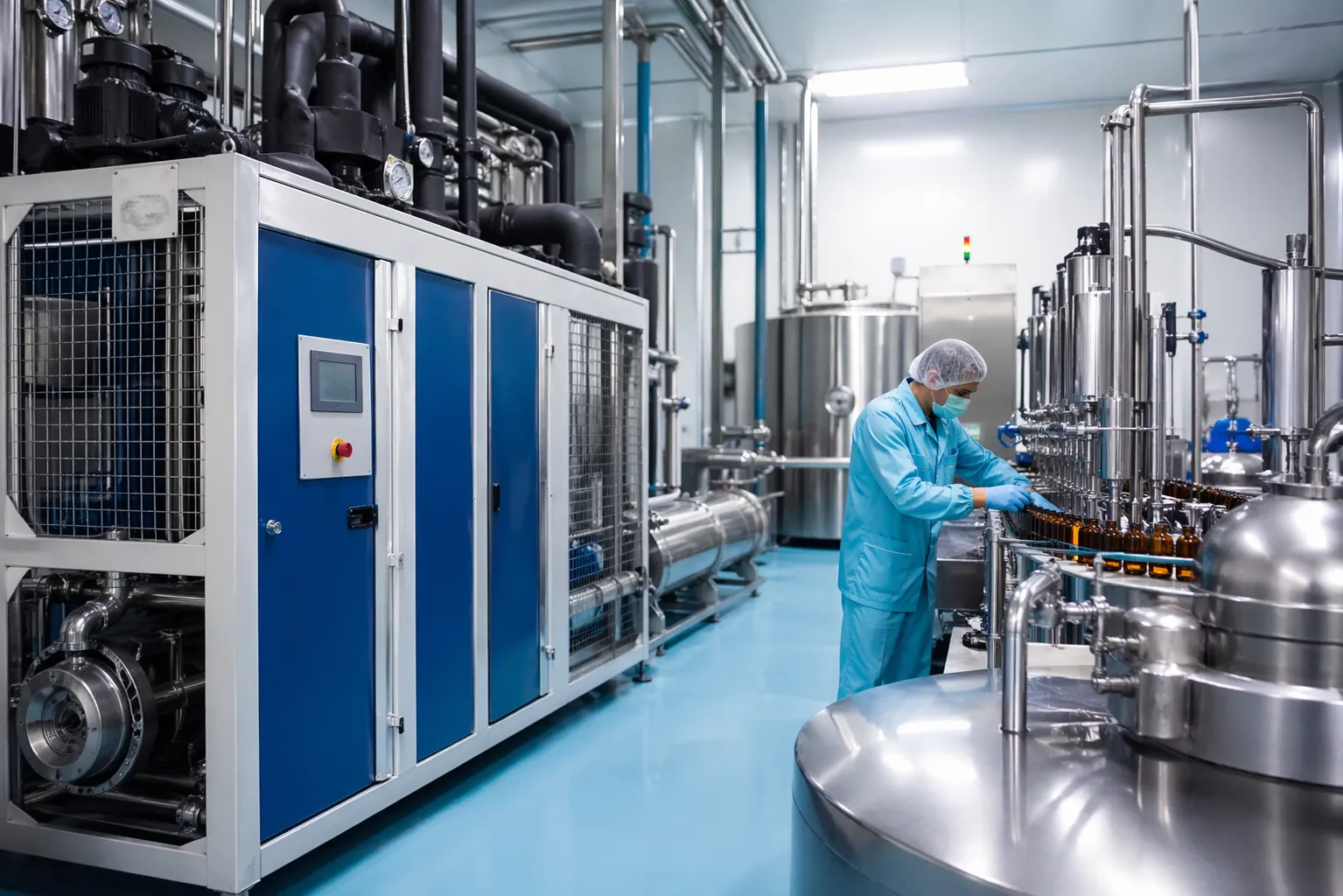

Product quality in the food and pharmaceutical industries depends heavily on strict temperature control. From raw material handling to processing and final storage, even minor fluctuations can lead to contamination, spoilage, or loss of effectiveness. This makes reliable cooling systems a core requirement rather than an optional upgrade.
Modern industrial chillers provide accurate and stable cooling across different stages of production. They help manufacturers maintain consistent conditions, reduce risks, and meet regulatory standards without interruptions.
Why Temperature Control Is Critical
Temperature influences microbial activity, chemical reactions, and product stability. In industries where precision matters, uncontrolled heat or cooling gaps can affect the final output.
In food processing, temperature deviations can lead to rapid bacterial growth, affecting safety and shelf life. In pharmaceuticals, even slight changes can alter chemical composition, reducing drug effectiveness.
A reliable cooling system ensures:
- Stable production environments
- Consistent product quality
- Reduced contamination risks
- Compliance with safety standards
Maintaining the right temperature is not just about preservation. It directly defines how safe and effective the product will be when it reaches the end user.
Impact of Industrial Chillers in Food Industry
Maintaining Freshness and Quality
Industrial chillers help slow down microbial growth and enzymatic reactions, preserving the natural taste, texture, and nutritional value of food products. This is especially important in dairy processing, meat production, and beverage manufacturing.
Consistent Processing Conditions
Food manufacturing processes such as fermentation, cooling, and storage require stable temperatures. Chillers maintain uniform conditions, ensuring every batch meets the same quality standards.
Reducing Spoilage and Waste
Proper cooling extends shelf life and reduces the chances of product spoilage during storage and transport. This not only improves product quality but also reduces operational losses.
Supporting Food Safety Regulations
Food industries must comply with strict hygiene and temperature guidelines. Industrial chillers help maintain required conditions, making it easier to meet regulatory expectations and avoid compliance issues.
Impact of Industrial Chillers in Pharmaceutical Industry
Protecting Chemical Stability
Pharmaceutical products are highly sensitive to temperature. Industrial chillers maintain precise cooling during manufacturing, preventing degradation of active ingredients and ensuring product effectiveness.
Enabling Precision in Production
Processes like crystallization, mixing, and formulation require exact temperature control. Chillers provide stable conditions that help maintain accuracy and consistency in every batch.
Safe Storage and Distribution
Vaccines, biologics, and medicines require controlled environments during storage and transportation. Industrial chillers help maintain these conditions, ensuring product integrity throughout the supply chain.
Ensuring Regulatory Compliance
Pharmaceutical manufacturing is governed by strict global standards. Reliable cooling systems support compliance by maintaining consistent and documented temperature control.
Key Benefits That Improve Product Quality
Batch-to-Batch Consistency
Industrial chillers ensure uniform conditions across production cycles. This consistency is essential for maintaining product quality and building customer trust.
Lower Risk of Contamination
Controlled temperatures reduce the growth of harmful microorganisms. This is critical for both food safety and pharmaceutical purity.
Improved Operational Efficiency
Stable cooling systems minimize production errors and downtime. This leads to smoother operations and better quality output.
Equipment Reliability
Chillers prevent overheating of machinery, reducing wear and tear. Well-maintained equipment performs more efficiently and contributes to consistent production quality.
Real-World Applications
In beverage production, chillers maintain precise fermentation temperatures, ensuring consistent flavor and product quality.
In pharmaceutical labs, they control reaction environments to produce accurate formulations.
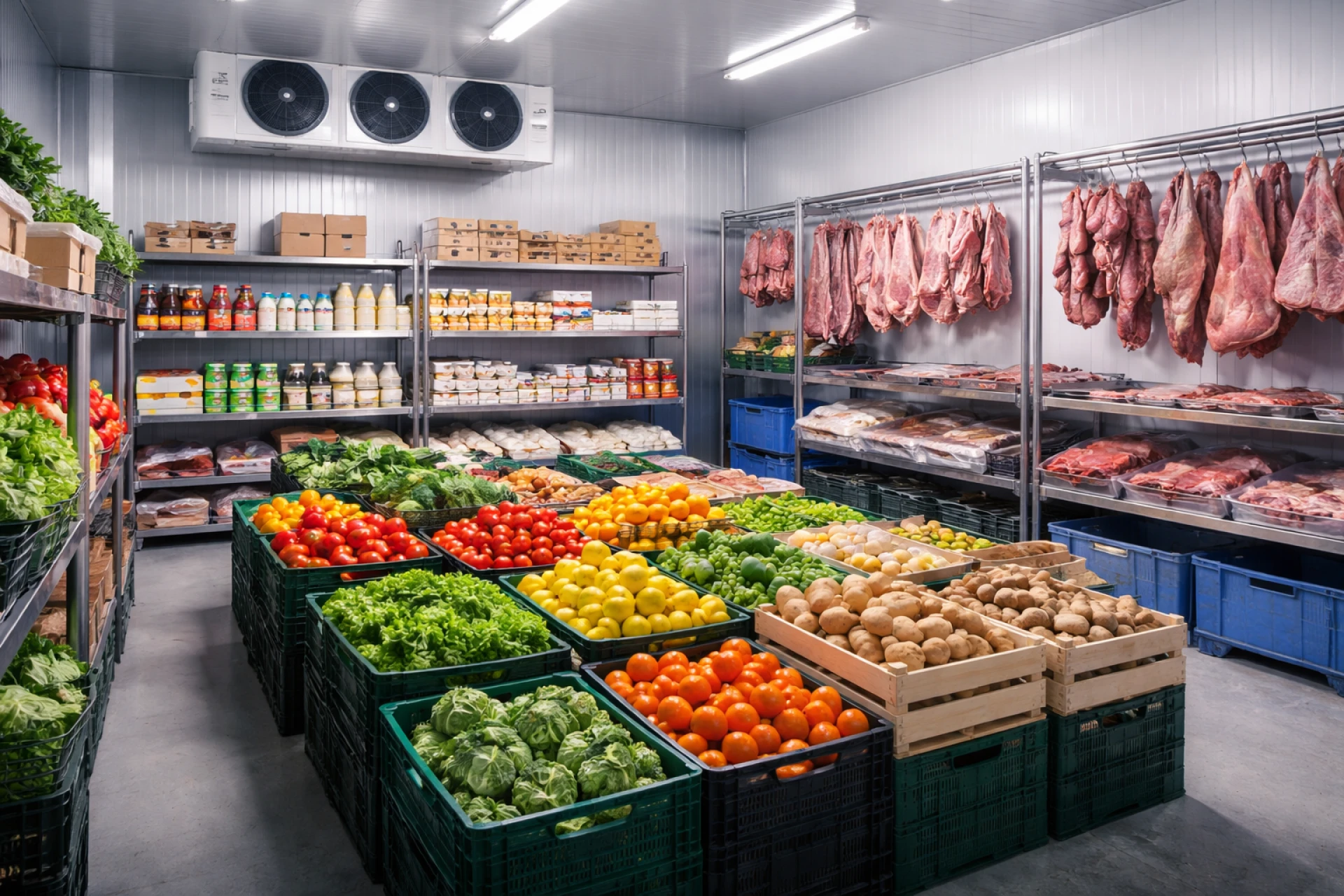
In cold storage facilities, they preserve perishable food items and temperature-sensitive medicines without compromising quality.
Conclusion
Industrial chillers play a vital role in ensuring product quality in both food and pharmaceutical industries. By maintaining stable and precise temperatures, they support safety, consistency, and compliance at every stage of production.
Companies that invest in efficient cooling systems can improve product reliability, reduce waste, and maintain high standards in competitive markets. In environments where quality cannot be compromised, industrial chillers remain a critical part of modern manufacturing infrastructure.















![The Benefits of Using a CNC Touch Probe [Infographic]](https://writeupcafe.com/data/post/1677697/bfdf3e040e67936848aa232d2dfe3d03.jpg.webp)








Sign in to leave a comment.