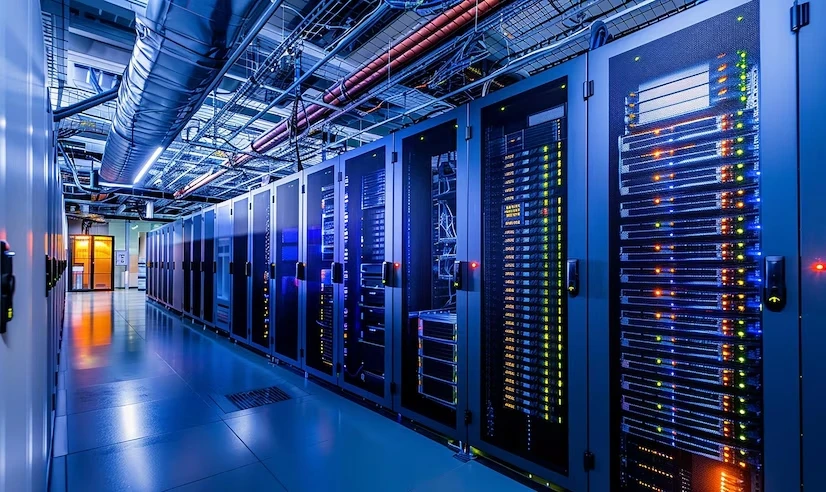

Are you struggling to find the perfect solution for storing and managing your critical data? Network Attached Storage (NAS) is emerging as a leading choice for seamless and reliable data backup. This blog dives deep into what makes NAS solutions the ultimate answer for businesses and individuals looking to safeguard their information.
From its scalability to robust data protection features, NAS devices stand out as an efficient, cost-effective, and secure option for modern data management needs.
What Is Network Attached Storage?
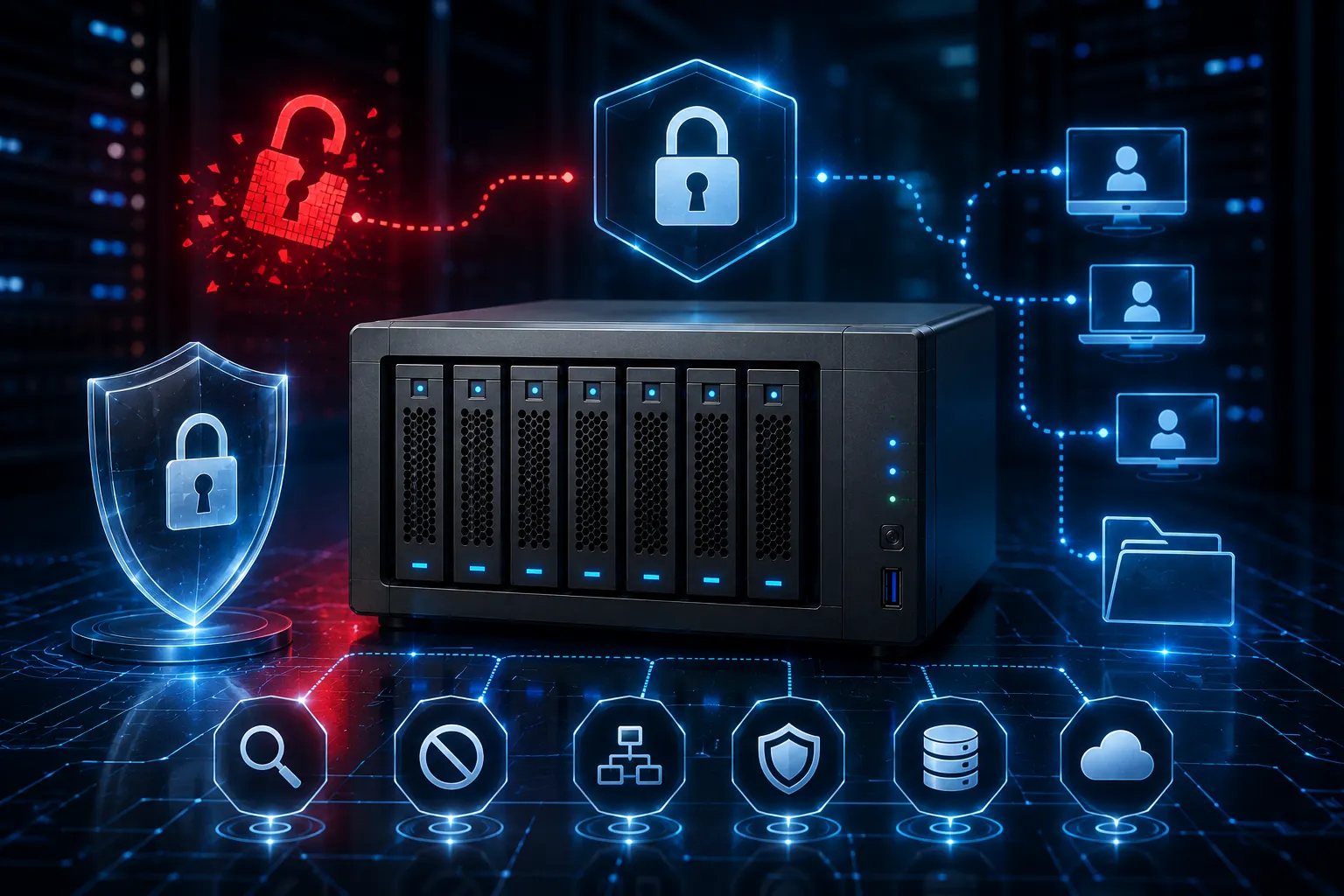
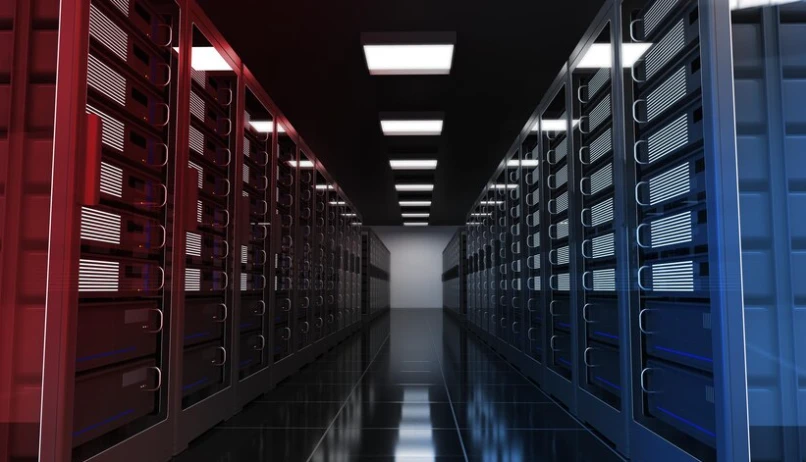
Network Attached Storage, or NAS, is a dedicated file storage system connected to a network that allows multiple users and devices to access data from a centralized location. Unlike traditional external storage options, Network attached storage operates like a mini server, offering advanced features such as built-in redundancy, data encryption, and real-time backup.
NAS solutions are particularly beneficial for businesses with growing data requirements. They provide consistent access to critical files and applications while simplifying data-sharing across teams.
Why Do Businesses (and Individuals) Need Reliable Data Backup?
Data is the backbone of any modern organization. Whether you’re managing customer information, financial records, or intellectual property, losing this data could result in severe financial and reputational damage. Yet, as businesses generate more data, traditional backup methods often fall short. Here’s why:
- Scalability Issues: External hard drives and standalone storage devices can't keep up with the growing data demands of expanding businesses.
- Lack of Accessibility: Many traditional solutions do not allow seamless access to files from multiple locations or devices.
- Data Loss Risks: Without redundancy, hardware failures can lead to permanent data loss.
This is where NAS solutions shine, addressing these gaps and offering feature-rich data backup solutions.
Key Benefits of Network Attached Storage for Data Backup
1. Simplified Data Access
With NAS, all your data is stored in one central location, accessible to multiple users from various devices. Whether in the office or working remotely, staff can instantly access shared files without needing separate drives or complex IT infrastructure.
Use Case:
A small business can use NAS for its team to collaborate seamlessly on projects. Team members in different locations can upload and download files in real time, increasing productivity.
2. Built-In Scalability
NAS is designed to grow with your needs. Many devices accommodate additional hard drives or allow integration with cloud services, making it easy to expand storage capacity as your data requirements increase.
Use Case:
For a fast-growing startup, adding more storage becomes seamless—simply upgrade the device by attaching extra drives without needing to overhaul the existing system.
3. Data Redundancy and Recovery
A core feature of NAS devices is RAID (Redundant Array of Independent Disks) technology, which provides data redundancy. If one drive in the NAS fails, data is preserved on other drives, ensuring uninterrupted access and minimal downtime.
Use Case:
A professional photographer using NAS can protect years of client work. Even if a drive fails unexpectedly, their files are safe thanks to redundancy built into the storage architecture.
4. Enhanced Security Features
Cybersecurity threats are a growing concern globally. NAS systems often come equipped with data encryption capabilities, user permissions, and firewall settings, ensuring that sensitive data is safe from unauthorized access or cyberattacks.
Use Case:
A health clinic could use NAS to securely store patient records and financial data, meeting strict compliance regulations while safeguarding sensitive information.
5. Cost-Effective Long-Term Storage
NAS solutions might seem costly upfront compared to external hard drives, but they are a worthwhile investment when evaluating long-term expenses. The durability, expandability, and energy efficiency of NAS systems lower their total cost of ownership over time.
Use Case:
An e-commerce business can reduce its IT expenditure by switching to NAS instead of outsourcing storage to costly third-party providers.
6. Easy Integration with Cloud Services
For organizations with hybrid needs, NAS easily integrates with leading cloud platforms. This “best-of-both-worlds” approach combines the speed and local access of NAS with cloud-based scalability and remote backup.
Use Case:
A small IT firm can configure its NAS device to auto-upload critical data to a cloud service, ensuring data redundancy across both on-site and off-site locations.
How to Choose the Right NAS Solution?
When deciding on the best NAS solution for your needs, it’s vital to evaluate a few critical factors:
Storage Capacity
Start by estimating how much data you plan to back up. Remember to factor in future growth. If your data needs are extensive, look for a NAS solution with higher drive-bay options (e.g., 4-bay or 8-bay).
Performance Requirements
Choose a NAS device with sufficient processing power (CPU) and memory (RAM) for your workflows. For high-demand environments—such as video editing or large database management—a high-performance NAS is essential.
Compatibility
Ensure your NAS system is compatible with the devices and software your team uses. From macOS and Windows to Linux, many NAS systems support diverse operating environments.
Back-Up Features
Evaluate whether the NAS system offers automatic backup scheduling, versioning (keeping older versions of files), and cloud sync compatibility to suit your data management needs.
Security Features
Seek devices offering encryption, customizable user permissions, and multi-layered access security to protect your sensitive information from breaches.
Nas Solutions for Different Business Scenarios
- Home Office Users
A compact 2-drive NAS device can provide cost-effective backup and media streaming for individual users managing small-scale data.
- Small to Medium Businesses (SMBs)
A mid-tier NAS solution (4- to 6-bay) offers the perfect mix of capacity and affordability for growing businesses handling moderate data volumes.
- Large Enterprises
High-capacity NAS solutions (8-bay or above) with advanced network connectivity, multi-user support, and backup automation are ideal for large-scale operational needs.
The Future of Data Management with NAS
Network Attached Storage is more than a backup tool; it's a strategic investment in data resilience and operational efficiency. With the growth of big data, hybrid cloud models, and remote working trends, NAS systems are becoming an indispensable part of modern IT infrastructure.
Not only does NAS solutions address immediate storage and backup concerns, but its scalability and integration options also ensure that your business is prepared for future challenges.
Is NAS Right for You?
Investing in NAS solutions can revolutionize the way businesses and individuals manage, store, and protect their data. Whether you're a creative professional, a growing startup, or a large corporation, the benefits of NAS far outweigh its initial cost.
Take charge of your data management today with a robust NAS system tailored to your unique needs. The right storage solution awaits.





























Sign in to leave a comment.