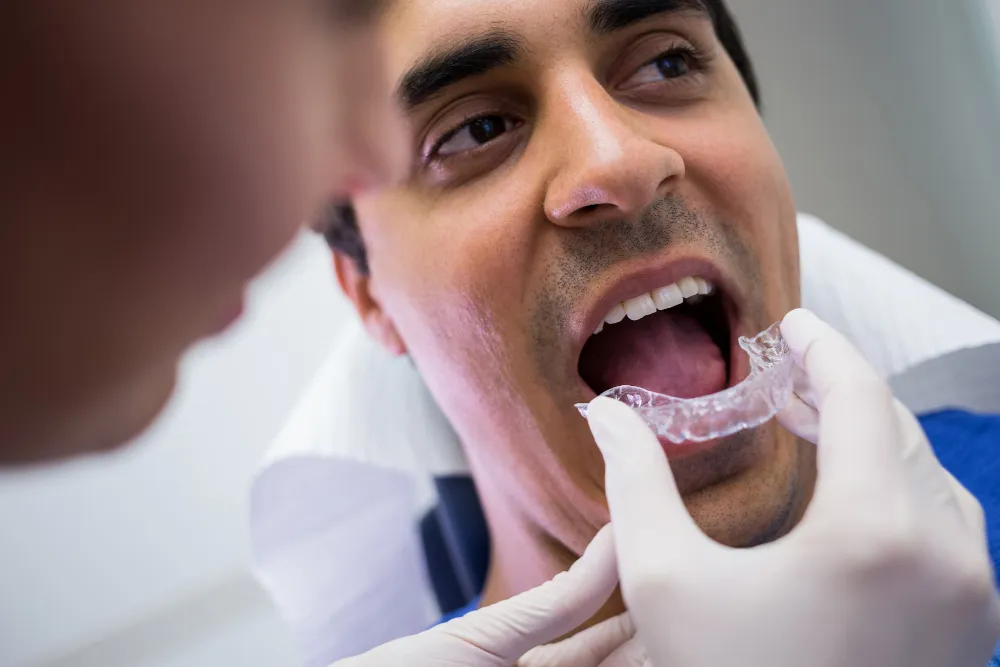

Clear aligner treatment depends on careful coordination between clinical planning, digital records, appliance design, manufacturing, and patient compliance. While treatment planning receives considerable attention, the quality of aligner production also plays an important role in maintaining an efficient workflow. Dental professionals need appliances that correspond accurately with approved treatment plans and patient records. A professional clear aligner lab for dentists can provide specialized fabrication support by combining digital technology, experienced technicians, material knowledge, and quality control procedures. This coordinated approach can help dental practices manage aligner cases more efficiently while maintaining appropriate attention to fit, comfort, and treatment requirements.
Starting With Accurate Patient Records
Accurate patient records provide the foundation for successful aligner production. Dental practices may provide intraoral scans, photographs, radiographs, treatment instructions, and other clinical information needed for case assessment and planning. Digital scans are particularly useful because they create detailed representations of dental structures that can be transferred electronically to authorized laboratory systems. When records are complete and properly captured, technicians have clearer information for designing and manufacturing aligners. Inaccurate scans or incomplete prescriptions can create unnecessary complications, making careful record collection an important first step in maintaining an efficient treatment workflow.
The Role of Digital Treatment Planning
Digital planning allows dental professionals and laboratory technicians to visualize proposed tooth movements before aligners are manufactured. Computer based software can create sequential models that represent different stages of the planned treatment. The dental professional can review these stages and determine whether the proposed movement corresponds with the clinical objectives. Once the treatment plan is approved, the laboratory can use the appropriate digital information to manufacture the required aligners. This structured workflow can help connect clinical decision making with production and may reduce unnecessary communication delays between the dental practice and laboratory.
Translating Digital Plans Into Appliances
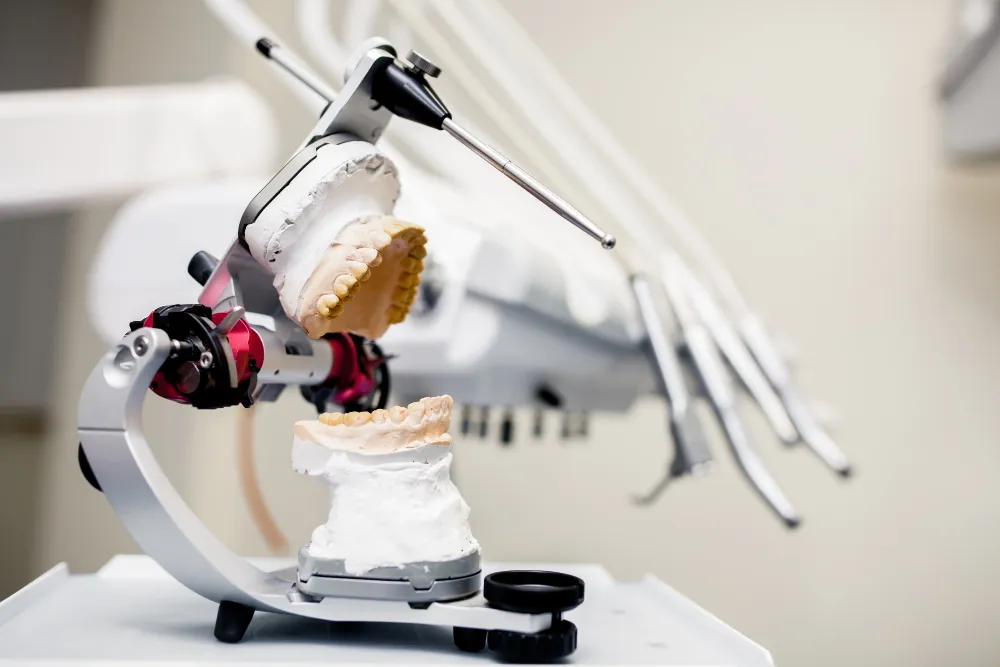
A digital treatment plan becomes clinically useful only when it is translated into accurately manufactured physical appliances. Laboratory technicians use approved digital models and production instructions to create aligners that correspond with the planned stages. Thermoplastic materials are shaped over models using appropriate manufacturing processes, followed by trimming, finishing, and inspection. Each aligner must maintain the intended geometry while providing appropriate adaptation. Technical precision is important because even small fabrication inconsistencies can affect how an appliance seats. Careful laboratory production therefore serves as an important bridge between digital treatment planning and actual patient use.
Material Selection and Aligner Performance
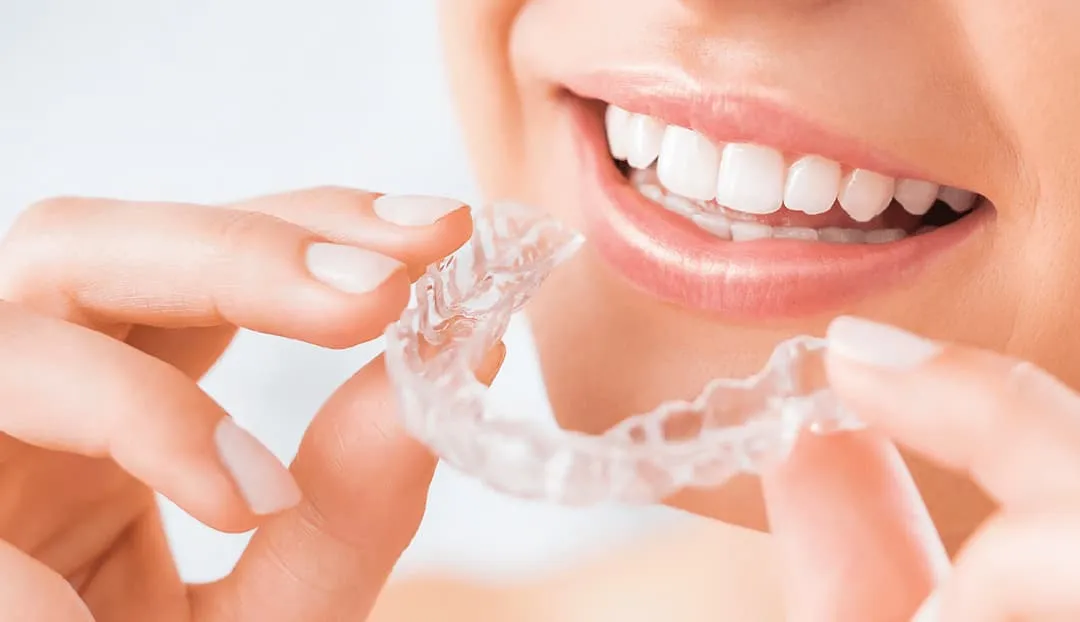
The material used for clear aligners can influence flexibility, durability, clarity, thickness, comfort, and performance. Laboratories must process thermoplastic materials according to appropriate manufacturing procedures while considering the requirements specified by the dental professional. Different aligner systems may use different materials or manufacturing approaches, making technical familiarity important. Proper handling during forming, trimming, and finishing helps maintain the desired characteristics of the appliance. Dental manufacturers such as Align Technology have contributed substantially to the development of digital clear aligner workflows, demonstrating how material science and digital production can work together within modern orthodontic treatment.
Importance of Precise Trimming
Trimming is an important stage of aligner production because the appliance margins must be finished appropriately for the prescribed design. Poorly finished edges may affect comfort and could irritate oral tissues, while inconsistent trimming may influence appliance adaptation. Technicians carefully shape and polish the aligner according to the production requirements. The exact margin design depends on the treatment system and clinical prescription. Quality focused laboratories understand that finishing is not merely an aesthetic step. It is part of creating a functional appliance that patients can wear as instructed throughout the planned sequence of orthodontic treatment.
Supporting Consistent Treatment Workflows
Professional laboratory production can help dental practices establish consistent procedures for managing multiple aligner cases. Organized workflows may include digital record intake, treatment plan review, appliance manufacturing, quality inspection, packaging, and delivery. When these stages follow standardized procedures, practices can better anticipate case progress and coordinate patient appointments. Consistency can also reduce avoidable production errors and improve communication between clinical and laboratory teams. Efficient workflow management is particularly valuable for practices treating numerous aligner patients because each case may involve multiple appliances and several treatment stages requiring accurate tracking.
Reducing Delays and Remakes
Production delays and remakes can interrupt treatment schedules and create inconvenience for both dental professionals and patients. Professional laboratories can reduce some preventable issues by reviewing digital records, confirming prescriptions, and conducting quality checks before delivery. If information is incomplete, laboratory communication can help resolve concerns before manufacturing begins. Remakes may still occur because of damaged appliances, changing clinical conditions, or unexpected patient needs. However, organized production procedures can reduce avoidable errors. Fewer preventable remakes can support more predictable workflows and allow dental practices to allocate appointment time more effectively.
Quality Control Before Delivery
Quality control provides an essential checkpoint before aligners reach the dental practice. Technicians can examine each appliance for material integrity, adaptation, trimming, surface quality, and overall conformity with the approved digital design. Depending on the production workflow, digital models and physical appliances may both be reviewed. These checks help identify potential concerns before the patient receives the appliance. Consistent inspection also supports confidence in laboratory manufacturing standards. When quality control is integrated into every stage of production, laboratories can help dental practices maintain a more reliable workflow and reduce the likelihood of avoidable clinical adjustments.
Supporting Patient Comfort
Patient comfort can influence whether individuals consistently follow aligner wear instructions. An appliance that fits appropriately and has smooth, carefully finished edges may be easier to tolerate during daily use. Laboratory technicians contribute to comfort through accurate adaptation, proper trimming, and appropriate material processing. Dental professionals remain responsible for determining whether the aligner design is clinically suitable for the patient. The laboratory's role is to fabricate the prescribed appliance according to the approved specifications. This collaboration helps connect clinical decisions with technical execution while supporting a more positive experience for patients undergoing clear aligner treatment.
Improving Communication Between Teams
Communication between dental professionals and laboratories can significantly influence workflow efficiency. Clear prescriptions should communicate treatment requirements, appliance specifications, delivery expectations, and any relevant clinical considerations. Digital communication platforms can allow records and instructions to be exchanged quickly, but accuracy remains more important than speed. When technicians identify missing information or potential concerns, prompt communication can help prevent production mistakes. A collaborative relationship encourages both teams to share relevant information throughout treatment. Strong communication can therefore reduce misunderstandings, improve case coordination, and help dental practices maintain smoother aligner treatment workflows.
Managing Multiple Treatment Stages
Clear aligner treatment commonly involves a sequence of appliances rather than a single device. Each aligner corresponds to a particular stage of the approved treatment plan, making accurate sequencing important. Laboratories must maintain organized records so that appliances are produced, identified, and delivered in the appropriate order. Dental practices also need reliable systems for distributing aligners to patients and monitoring progress. When laboratory and clinical workflows are coordinated, the sequence can be managed more efficiently. Careful tracking helps reduce confusion and supports continuity throughout the treatment process.
The Value of Professional Laboratory Expertise
Although digital technology has simplified many aspects of aligner production, experienced laboratory technicians remain valuable. They understand material behavior, manufacturing processes, trimming techniques, quality standards, and practical appliance considerations. Their expertise helps identify issues that may not be obvious within a digital workflow alone. Professional laboratory support can also provide dental practices with greater production capacity without requiring them to manage specialized manufacturing equipment internally. This allows clinicians to focus on diagnosis, treatment planning, patient communication, and progress monitoring while laboratory professionals handle the technical production responsibilities.
Preparing for Continued Digital Growth
Clear aligner production will likely continue evolving as digital dentistry develops. Improvements in scanning, software, automated design, manufacturing equipment, and thermoplastic materials may create increasingly efficient workflows. However, successful treatment will continue to depend on appropriate clinical diagnosis, realistic treatment planning, accurate records, patient cooperation, and professional monitoring. Laboratories that combine modern technology with experienced technical oversight can remain valuable partners as treatment models evolve. The future of aligner production is therefore likely to emphasize efficient digital communication while preserving the quality control and professional expertise needed for dependable appliance fabrication.
Conclusion
Professional aligner production plays an important role in connecting digital treatment planning with efficient clinical delivery. Accurate records, reliable manufacturing, appropriate materials, precise trimming, quality control, organized sequencing, and clear communication can all contribute to smoother workflows. Dental professionals can strengthen their aligner services by partnering with laboratories capable of managing specialized production requirements while maintaining consistent standards. A dependable laboratory relationship can reduce preventable delays and support a more coordinated patient experience. Ohlendorf Appliance Laboratory can assist dental practices with carefully fabricated clear aligners designed to support professional treatment plans and efficient modern orthodontic workflows.



























Sign in to leave a comment.