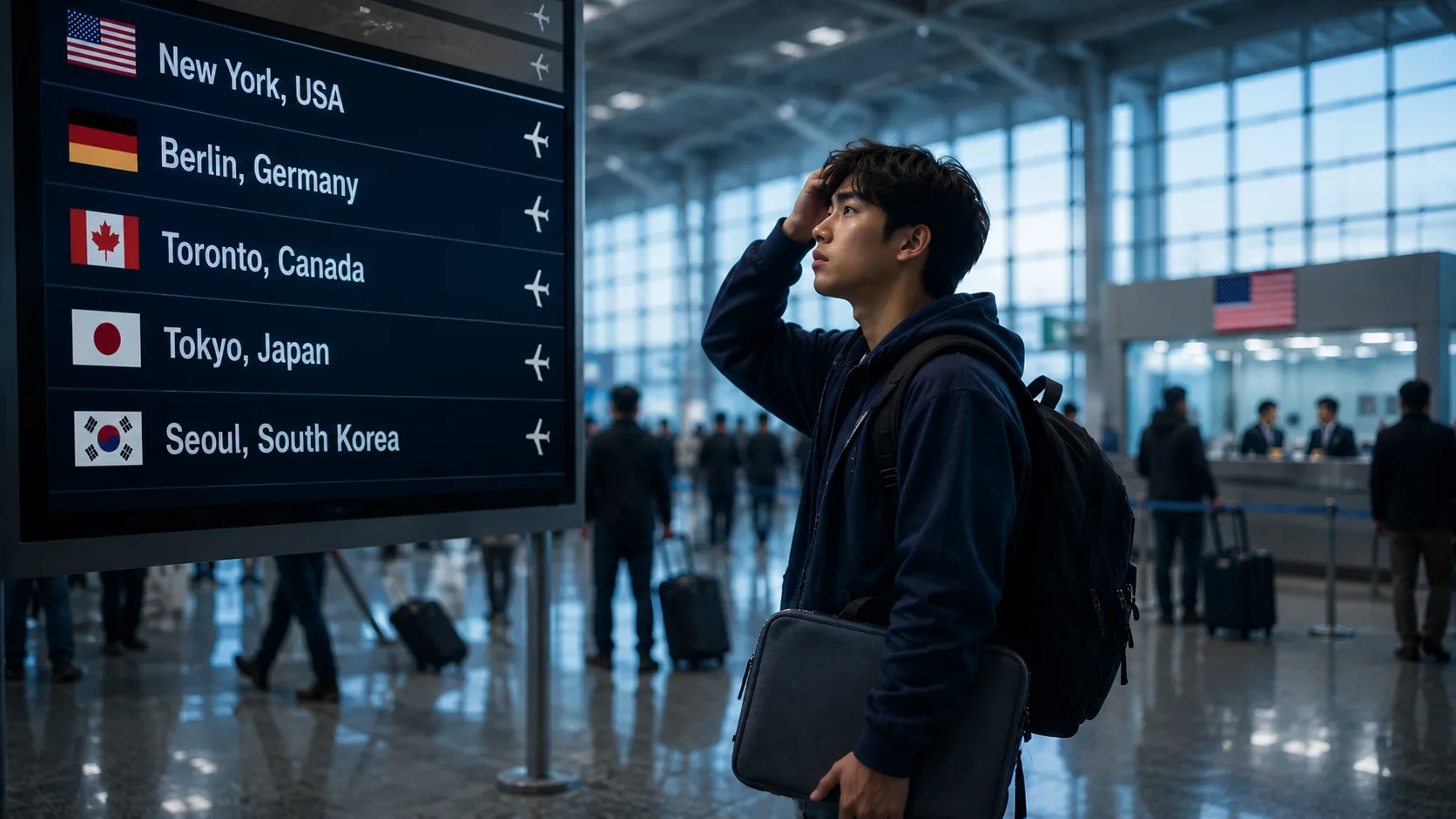

For years, studying in the United States was a relatively straightforward decision.
If a student could gain admission to a reputable American university and afford the costs, the path seemed clear. The U.S. offered world-class education, strong employment opportunities, and access to industries that shaped the global economy.
In 2026, that decision has become much more complicated.
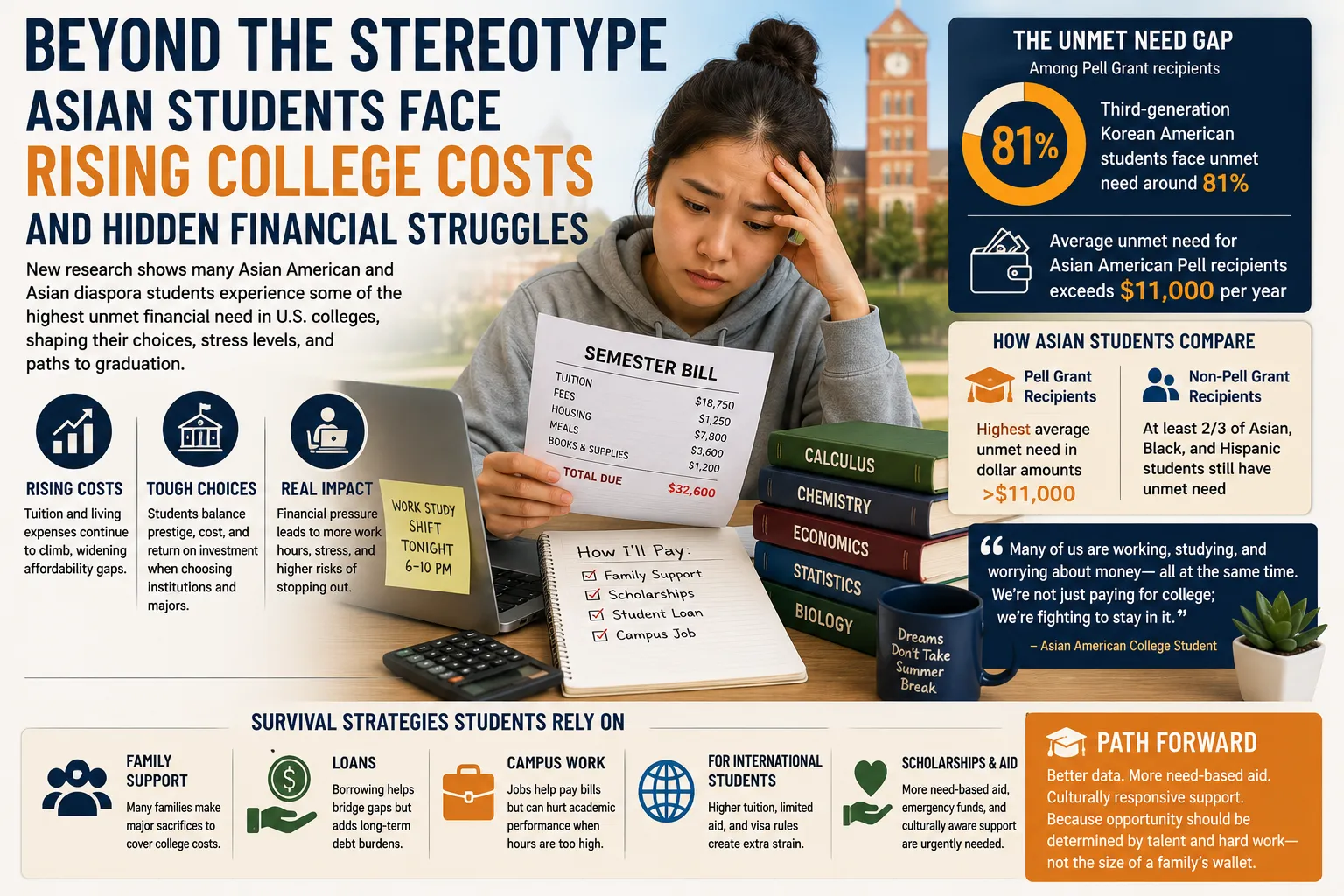
Students across Asia are no longer evaluating universities in isolation. They are assessing the entire environment surrounding their education, from visa policies and work opportunities to long-term career prospects and personal security. As a result, the question is no longer whether an American degree is valuable. The question is whether the overall experience remains worth the uncertainty.
Students Are Looking at the Bigger Picture
A university degree does not exist in a vacuum.
Students spend years building networks, gaining practical experience, and preparing for professional careers. The value of their education depends not only on what happens inside classrooms but also on the opportunities available after graduation.
That is why immigration policies have become such an important factor in study-abroad planning.
Many students now evaluate visa systems with the same attention they once reserved for university rankings. They want to understand how policy changes could affect internships, post-study employment, and future career plans.
This broader perspective is changing how students compare destinations.
The Rise of Practical Decision-Making
The modern international student is increasingly pragmatic.
Rather than chasing prestige alone, students are weighing costs, risks, and expected outcomes. They want to know whether their investment will deliver value over the long term.
Imagine choosing between two flights.
One promises a slightly better destination but has a history of delays and uncertainty. The other offers a similar experience with a much more predictable schedule. Many travelers would choose the second option.
Students are applying the same logic to higher education.
They understand that a slightly less famous university in a stable environment may offer a better overall experience than a highly ranked institution surrounded by uncertainty.
Why More Students Are Exploring New Destinations
This change in mindset is helping alternative destinations attract greater attention.
European countries continue to gain popularity because of transparent immigration systems and defined post-study work opportunities. Germany, France, Ireland, and the Netherlands have become serious competitors for international talent.
Asian education hubs are also benefiting.
Singapore, Japan, and South Korea combine respected universities with growing economies and strong employment sectors. For many students, these destinations offer an appealing mix of academic quality, affordability, and stability.
The result is a more balanced global education market where students feel less dependent on a single country.
Success Depends on More Than Location
Although destinations matter, student preparation remains the most important factor.
Policies can change. Economic conditions can shift. Immigration rules can evolve. Strong skills and academic performance, however, continue to create opportunities.
Students who develop expertise, maintain high grades, and build practical experience are better positioned to adapt regardless of where they study. They have more flexibility when applying for jobs, scholarships, internships, and graduate programs.
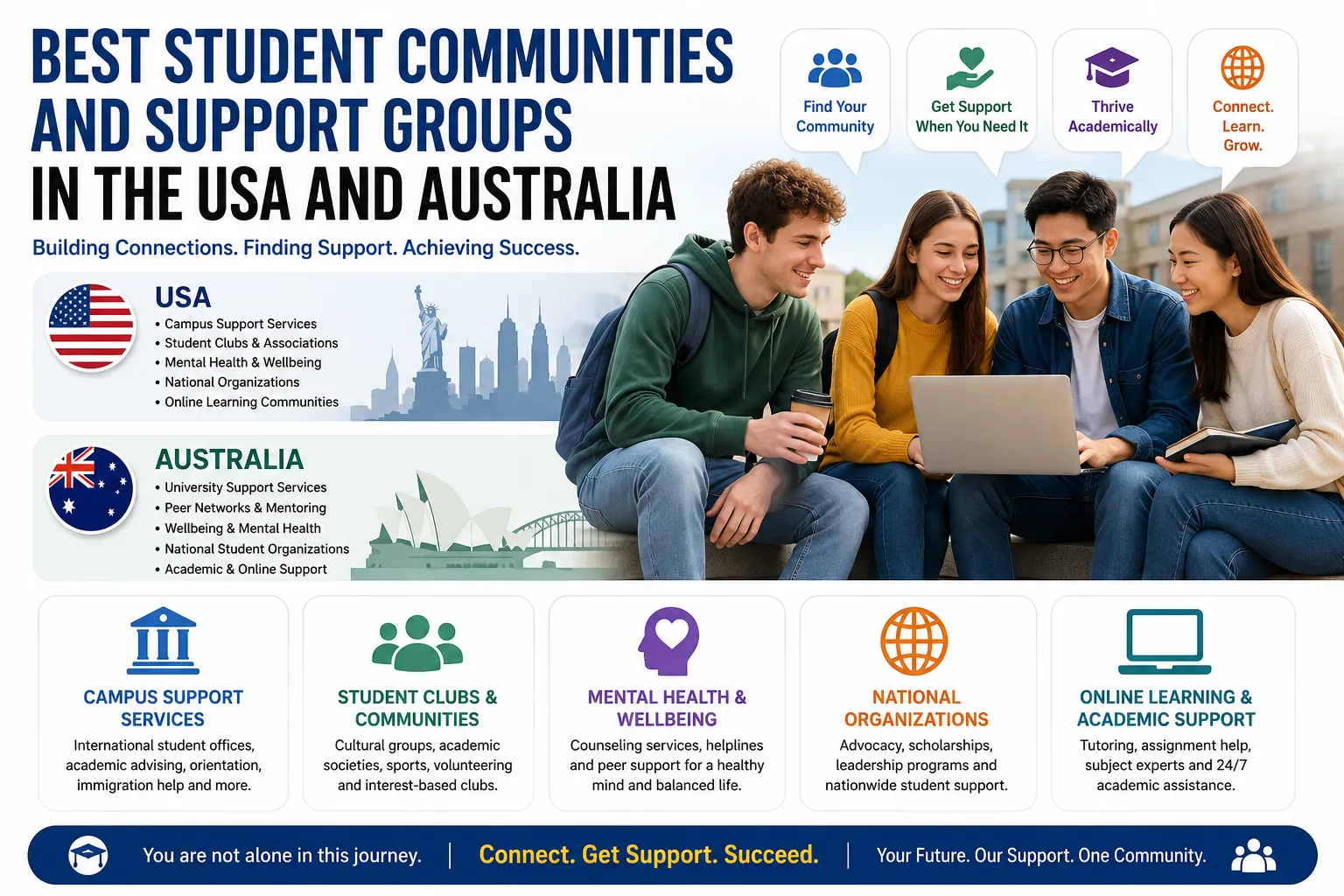
Many international students strengthen these foundations through additional academic support. Platforms like Expertsmind.com that connect learners with experienced tutors and subject experts can help students improve subject knowledge, perform better academically, and prepare for the challenges of studying in competitive international environments.
Academic strength remains one of the few advantages that students fully control.
A New Era for International Education
The study-abroad landscape of 2026 looks very different from the one students knew a decade ago.
The United States remains a leading destination with exceptional universities and powerful career opportunities. Yet students are no longer making decisions based solely on reputation.
They are evaluating countries the same way they evaluate investments. They compare risk, opportunity, stability, and long-term value before committing to a path.
This shift does not signal the end of American higher education's appeal. Instead, it reflects a more informed generation of students who understand that choosing where to study is also choosing where to build the next chapter of their lives.
In that environment, the smartest decision is not always the most prestigious one. It is the one that offers the strongest combination of education, opportunity, and certainty.



























Sign in to leave a comment.