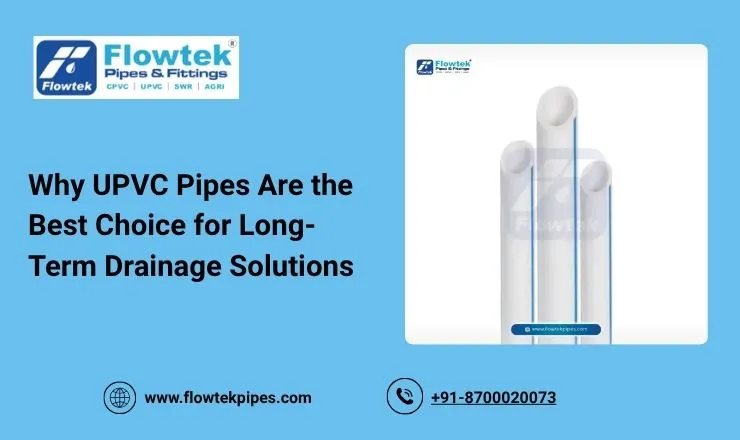

A drainage line fails quietly at first. Slow flow. Hairline cracks. Then one monsoon later, you're digging up finished flooring because someone cut corners on UPVC Drainage Pipes and fittings. That’s the real cost of getting SWR Pipes & Fittings wrong — not the invoice, but the rework.
Most buyers assume all UPVC SWR Pipes perform the same. They don’t. And the difference usually shows up after installation, when it’s too late to argue with your supplier.
The Spec Detail Most Buyers Skip in UPVC Drainage Pipes
Material Composition and Standards
Not all UPVC Pipes and Fittings are manufactured to the same formulation. Virgin compound vs. recycled blend changes everything — impact strength, life cycle, even joint reliability.
Here’s what matters:
- IS 13592 compliance for SWR systems
- Ring stiffness class (SN2, SN4, SN8) depending on load
- Temperature tolerance (typically up to 60°C for drainage use)
Which means if your supplier can’t clearly state compound ratio or test standards, you're already negotiating blind.
Jointing Systems That Decide Leak Risks
Rubber ring vs. solvent cement joints — both work, but only when executed right.
And yet, most site failures we’ve seen weren’t due to pipe quality, but poor jointing practices. A misaligned rubber ring can leak within 6–8 months under pressure variations.
Wall Thickness Isn’t Just a Number
A 110 mm pipe can vary in wall thickness by over 12% across manufacturers. That difference directly affects crush resistance.
Nobody tells you this, but thinner pipes often pass basic inspection and fail under actual site load.
The Overlooked Detail: UV Stabilization
Outdoor drainage lines degrade faster without UV stabilizers. In North India, exposed pipes can lose surface integrity in under 3 years if not properly treated.
How to Evaluate Any SWR Pipes and Fittings Manufacturer
1. Ask for Batch-Level Testing Reports
Good answer: “We test every production batch and can share reports.”
Bad answer: “We test periodically.” That means gaps.
2. Check Real Dispatch Timelines
Good answer: “7–10 days for standard sizes.”
Bad answer: “Depends on stock.” That usually means delays.
3. Inspect Packaging Standards
Most buyers ignore this. Then fittings arrive cracked.
Good suppliers use impact-resistant packaging. Bad ones stack loose cartons.
4. Verify Certification Validity
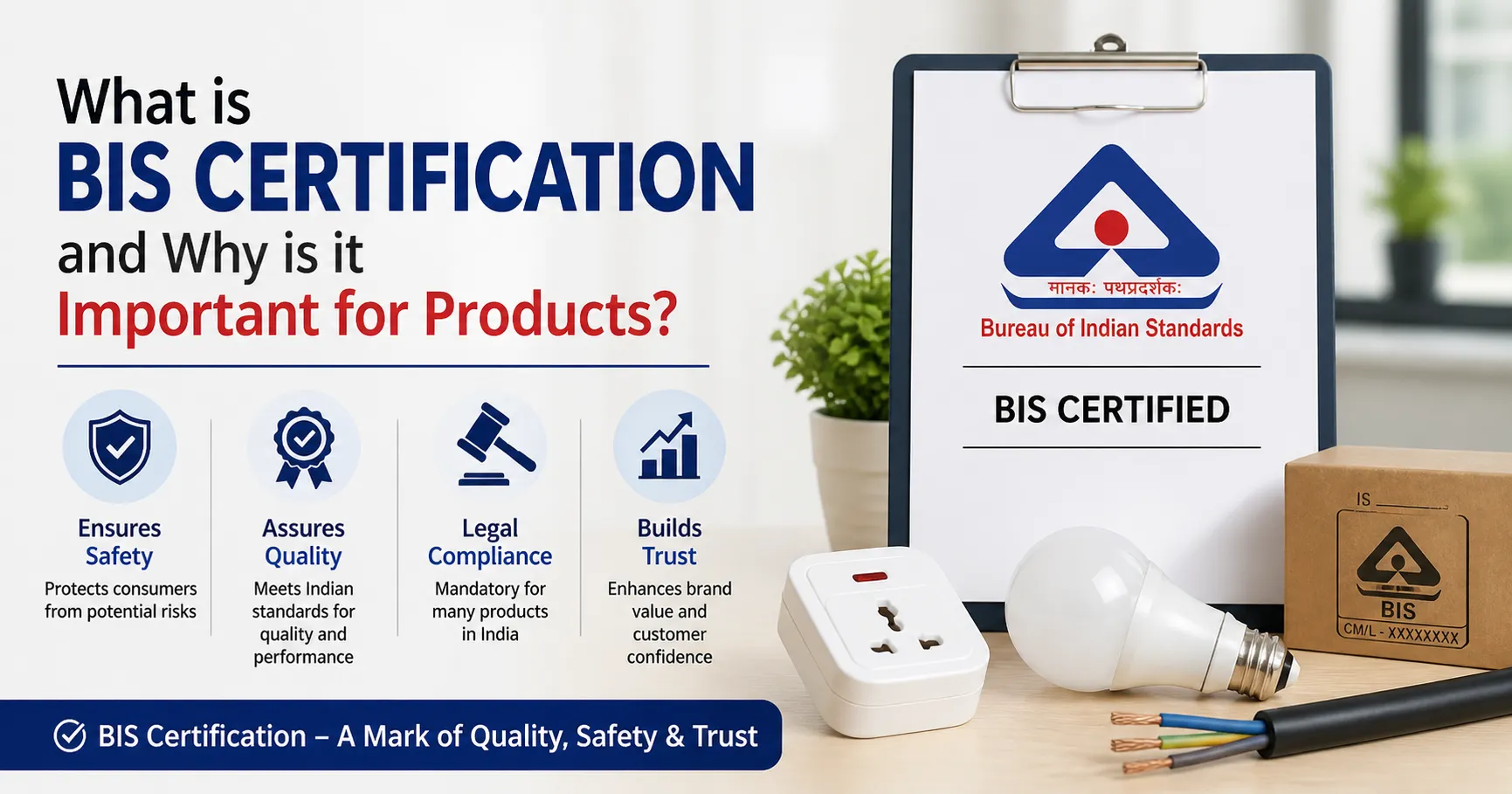
A lapsed ISI mark isn’t a technicality. It’s a liability.
Which means if certification expired even 30 days ago, you’re taking compliance risk on your project.
5. Understand Complaint Handling
A supplier who says “we’ll review after site inspection” is stalling. You want defined replacement timelines.
Why UPVC SWR Pipes Protect Your Margins Over Time
1. Corrosion Resistance Saves Replacement Costs
Metal pipes corrode. UPVC doesn’t. That alone can extend system life beyond 25 years in standard conditions.
2. Lightweight Means Faster Installation
Labor time drops by roughly 18–22% compared to cast iron systems. That’s not theory — it shows up in contractor billing.
3. Smooth Internal Surface Improves Flow Efficiency
Lower friction coefficient means fewer choke points. Which means fewer maintenance calls.
4. Chemical Resistance in Industrial Use
In factories, drainage often carries mild chemicals. UPVC handles that better than traditional materials.
5. Lower Lifecycle Cost
Initial cost might be similar. Lifecycle cost isn’t. Over 10–12 years, maintenance savings can exceed 30%.
6. Standardized Fittings Reduce Site Errors
Consistent dimensions across UPVC Fittings reduce mismatch issues during installation.
Why Location Is a Supply Chain Decision, Not Just an Address
Kundli, Sonipat isn’t just a pin code. It sits close to major NCR logistics routes, which cuts dispatch time by 1–2 days compared to suppliers based deeper in industrial belts.
That matters when your project is waiting on a missing 160 mm bend.
As UPVC Drainage Pipes Manufacturers and UPVC Fittings Manufacturers cluster around North India, proximity reduces freight variability — something most procurement teams underestimate.
About Us — What We Learned the Hard Way
We’ve been manufacturing UPVC Pipes and Fittings at Flowtek in Kundli, Sonipat for years, supplying builders, contractors, and distributors across India.
Here’s something we don’t usually put in brochures.
In 2021, we had a batch where socket tolerance drifted by 0.7 mm. Small number. Big problem. Installers flagged joint tightness issues within weeks. We scrapped the remaining batch and recalibrated tooling.
That experience changed how we monitor dimensional accuracy — every batch, not selectively.
Get a Quote Without the Back-and-Forth
If you’re sourcing SWR Pipes & Fittings or evaluating new SWR UPVC Pipes Manufacturers, send us:
- Required sizes and quantities
- Application (residential, industrial, etc.)
- Delivery location
We respond within 24 hours.
MOQ starts from standard dispatch volumes (project-dependent).
And yes, if something doesn’t meet spec, we replace it. No prolonged arguments.
Where UPVC Drainage Is Headed Next
Demand for UPVC Drainage Pipes in India is projected to grow at over 6.3% CAGR through 2028, driven by urban infrastructure and housing expansion. Which means more suppliers will enter the market — not all of them reliable.
Choosing the right UPVC Pipes and Fittings today isn’t just about cost. It’s about avoiding failure five years from now.
FAQs
1. Which SWR Pipes & Fittings are best for long-term drainage?
Pipes that meet IS 13592 standards, have consistent wall thickness, and come from verified SWR Pipes and Fittings Manufacturer sources. Avoid untested local variants — they fail early.
2. How do I choose reliable SWR UPVC Pipes Manufacturers?
Check batch testing, certification validity, and complaint resolution policy. Many SWR UPVC Pipes Manufacturers promise quality but can’t show traceable reports.
3. Are UPVC Pipe Fittings Manufacturers consistent across batches?
Not always. Even established UPVC Pipe Fittings Manufacturers can have variation. Ask for dimensional tolerance data — most buyers don’t.
4. What is the lifespan of UPVC Drainage Pipes?
Typically 25–30 years under normal conditions. Caveat — poor installation or UV exposure without stabilization can reduce that significantly.
5. Do UPVC Fittings Manufacturers provide chemical-resistant products?
Yes, but only within limits. Mild chemicals are fine. Strong industrial discharge requires verification from UPVC Fittings Manufacturers.
6. Are cheaper UPVC Drainage Pipes worth it?
Usually not. Lower cost often means recycled material mix. That affects durability — something UPVC Drainage Pipes Manufacturers won’t always disclose upfront.
7. Can I mix fittings from different UPVC Fittings Manufacturers?
You can, but it’s risky. Slight dimensional variation can cause leakage. Stick to one UPVC Fittings Manufacturers source for consistency.





















Sign in to leave a comment.