

Car problems usually build gradually, not suddenly. Small issues can quietly develop into major failures if overlooked. Regular inspections at an auto shop help uncover these early signs. Spotting trouble ahead of time keeps repair costs lower and vehicles running more reliably.
1. Inspections catch early damage
Parts wear out from friction, heat, and stress over time. An auto shop inspection targets vulnerable areas before they affect other systems. Technicians check seals, mounts, and hoses for wear that often goes unnoticed.
- Fraying belts weaken engine function and battery charging.
- Oil around gaskets may point to leaks that affect engine pressure.
- Loose mounts shift components, straining connected parts.
2. Engine checks uncover hidden problems
Engine issues don’t always trigger a warning light. An auto shop uses scanners and visual checks to detect early irregularities. These signs often relate to fuel delivery, timing, or airflow.
- Poor throttle response can result from clogged injectors.
- Misfires may indicate worn spark plugs or coil issues.
- Engine knocking often starts with low-grade fuel or timing faults.
3. Brake reviews stop more than squeaks
Brake wear begins long before grinding sounds start. A thorough auto shop brake inspection includes fluid checks, rotor thickness, and caliper movement. Early detection prevents uneven wear and costly replacements.
- Weak pedal feel may come from air in the system.
- Fluid with debris signals internal corrosion.
- Uneven pad wear could be from a sticking piston.
4. Fluid health tells the bigger story
Technicians don’t just look at fluid levels, they assess color, thickness, and signs of contamination. These details help diagnose system strain or neglected maintenance.
- Dark engine oil may hold debris from worn bearings.
- Low coolant can lead to warped engine heads.
- Gritty transmission fluid reduces shifting efficiency.
5. Suspension issues show early wear
Suspension systems affect handling, braking, and tire health. Inspections focus on linkages, shocks, and bushings that take daily punishment. Addressing early damage keeps the ride safe and consistent.
- Worn shocks increase stopping distance.
- Cracked bushings allow components to shift on rough roads.
- Damaged tie rods affect steering precision.

6. Electrical faults surface in testing
Power loss and slow starts often begin with weak electrical signals. An auto shop inspection looks at battery life, wiring condition, and alternator output. These checks prevent breakdowns that seem sudden but build over time.
- Corroded terminals block current flow.
- Weak alternators undercharge the battery.
- Short circuits can trigger warning lights across systems.
7. Cooling issues get caught early
Engines run hot, and any breakdown in the cooling system raises temperatures fast. A routine inspection checks for leaks, airflow, and component condition before overheating causes permanent harm.
- Soft hoses may collapse and block coolant flow.
- Dirty radiators reduce heat transfer.
- Coolant leaks often start around the water pump or thermostat.
8. Transmission trouble begins subtly
Most transmission failures start with minor symptoms. During inspections, technicians watch for rough shifting, slipping, and response delays. Fluid condition also reveals internal friction and heat damage.
- Sluggish shifts can point to solenoid problems.
- Low fluid might mean a slow leak around seals.
- Dirty fluid suggests worn internal clutches.
9. Tire wear reveals system stress
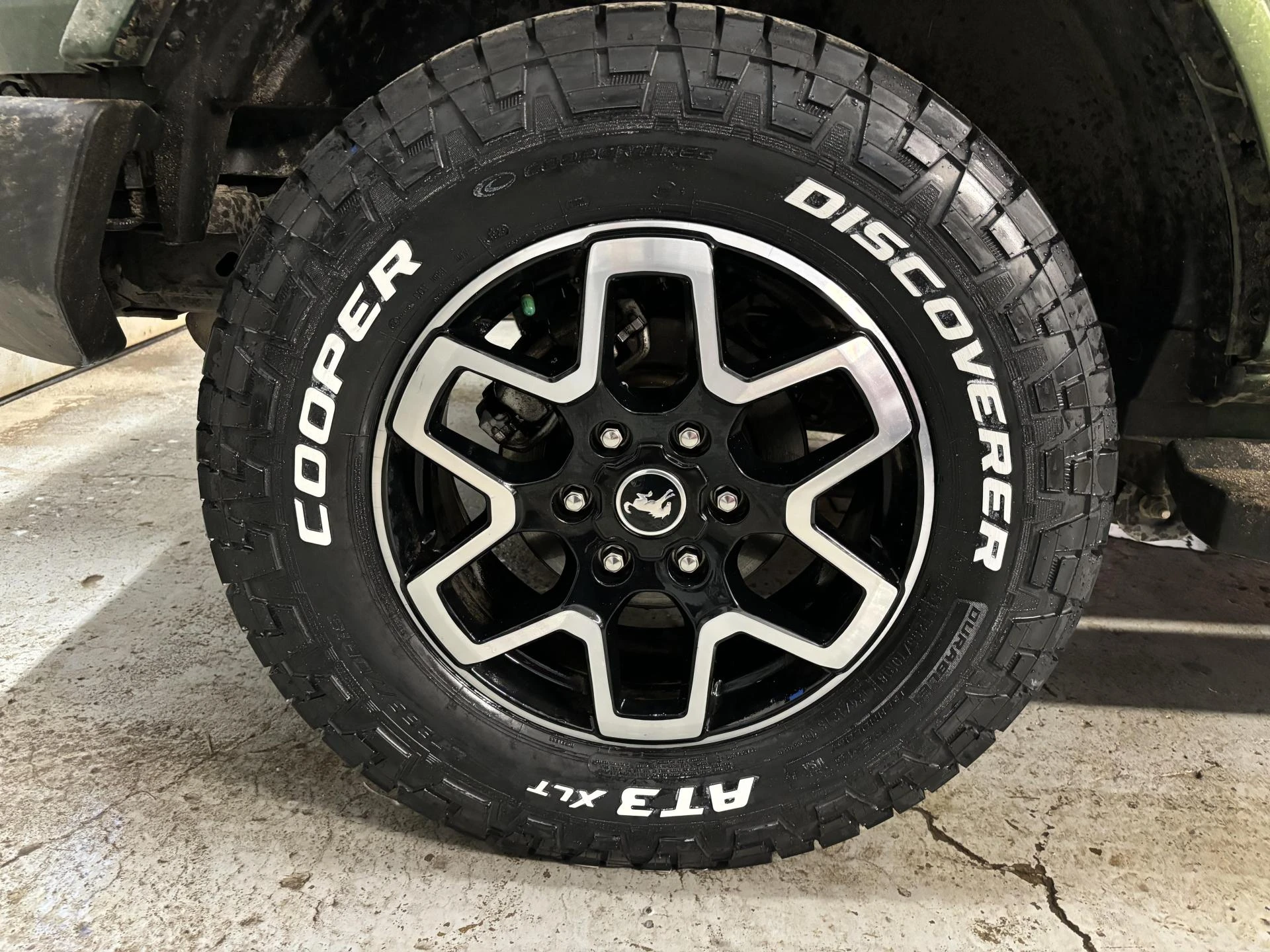
Tire inspections go beyond tread depth. Uneven wear patterns help diagnose suspension, alignment, and inflation problems. Each pattern points to a different cause.
- Feathered edges usually relate to poor alignment.
- Center wear often means overinflation.
- Outer shoulder wear may point to cornering stress or worn bushings.
10. Trained eyes notice small changes
Experienced technicians rely on sound, movement, and wear patterns—not just scan tools. Repeated inspections reveal shifts in vehicle condition over time. Recognizing these trends helps stop bigger problems before they develop.
- Rhythmic noise while driving can suggest bearing damage.
- Steering drift under load may signal frame movement.
- New fluid marks indicate small leaks under pressure.
Key Takeaways Auto Shop Inspection for Repairs
Regular inspections at a certified auto shop reduce the risk of unexpected breakdowns and major repair bills. Every check allows a trained technician to review systems that wear gradually but impact performance. Over time, these inspections protect both safety and the life of the vehicle.
- Early part wear is easier and cheaper to repair.
- Brake, fluid, and tire checks improve daily driving safety.
- Cooling and electrical issues often show subtle symptoms.
- Transmission problems rarely start with complete failure.
- Long-term performance improves with routine inspections.
Frequently Asked Questions
What’s the first thing an auto shop usually checks?
Most begin with visual checks and fluid levels, then run a diagnostic scan to look for hidden system faults.
Can an inspection detect future breakdowns?
Yes. Inspections often find signs, like leaks, noise, or early wear, that point to future failure if ignored.
How often should a car get inspected?
At least twice a year or during each oil change, depending on how often the vehicle is driven.
Is a check engine light the only sign of engine trouble?
No. Rough starts, odd smells, or unusual noises often appear before the light comes on.
Do newer vehicles still need inspections?
Absolutely. New cars still develop wear, and many parts degrade with time, not just mileage.































Sign in to leave a comment.