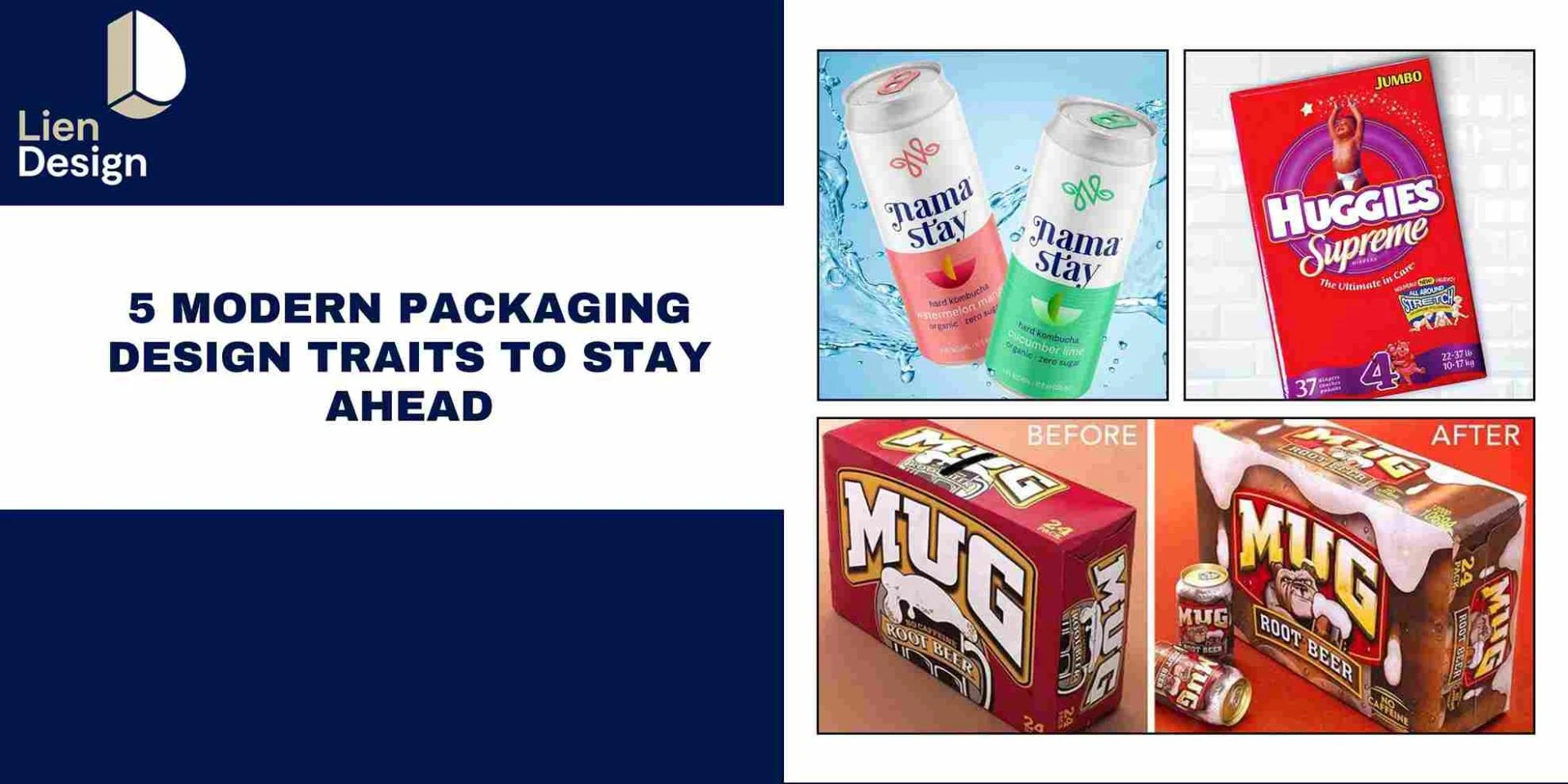

Every brand is trying to constantly vying for consumer attention. Standing out from the crowd has never been more challenging when there are countless products lining store shelves and inundating online marketplaces.
Outdated packaging designs fail to capture the imagination of modern consumers and leave the products languishing on shelves and online listings unnoticed. It is where Modern packaging is becoming increasingly sustainable. It features minimal designs, eco-friendly materials, and bold colors. Below are the top five modern packaging designs that will inspire you.
1.Simplified Design:
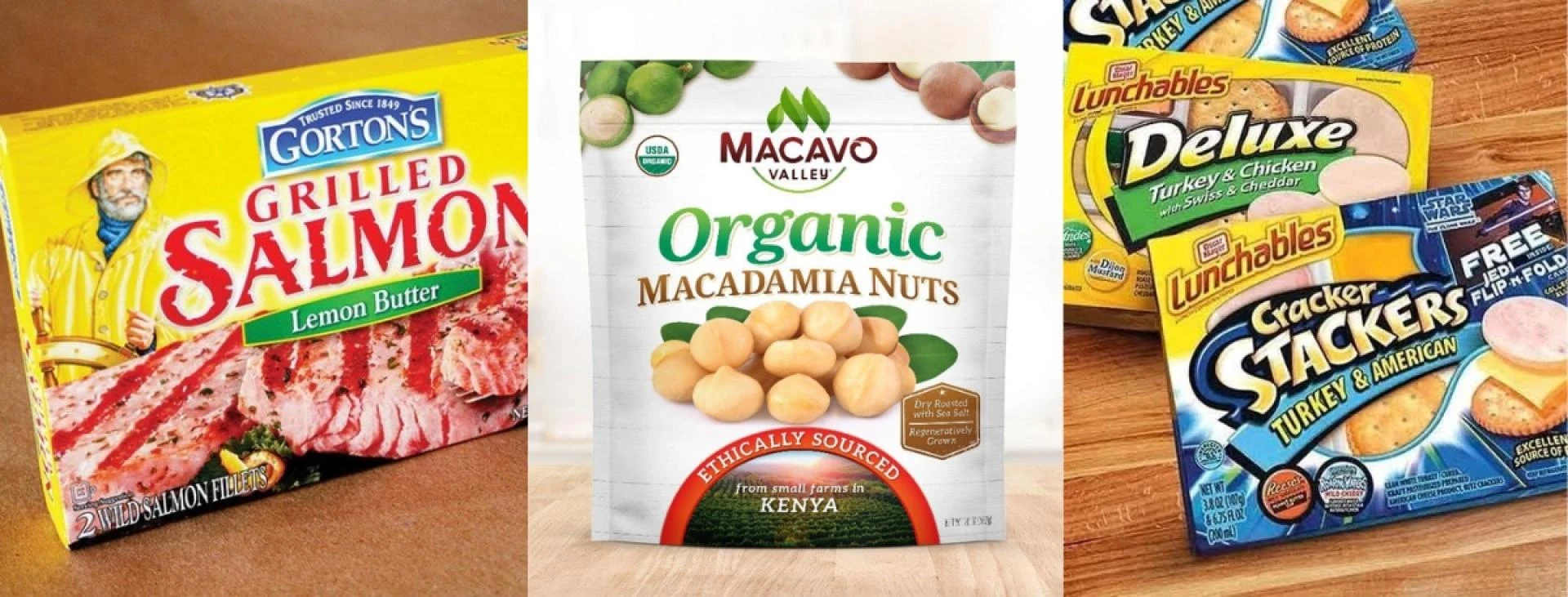
Modern packaging design has seen a major shift towards minimalism and simplicity. Brands now favor bold, solid colors and clean, minimal labeling that puts the product front and center rather than the brand name. While vibrant colors were once mainly used for children\'s products, they are now a key element across all modern packaging.
Using a consistent color palette also helps unify a brand\'s different products and makes them stand out on store shelves. Overall, contemporary packaging aims for a bold yet pared-down aesthetic that spotlights the product itself.
2.Cleaner Labelling:
Cleaner, more straightforward labeling is emerging as a key packaging trend. Brands now favor large, clearly-written text that plainly states the product\'s contents. This visibility aids consumers, especially given rising veganism and food intolerances.
Clean labels also signal transparency, which customers appreciate. The Yoga Bar cereal bars exemplify this, with minimalist packaging that succinctly lists all ingredients. This clear, concise labeling ensures consumers know exactly what they are buying.
Sustainability
Excessive product packaging has long been a source of frustration, creating unnecessary waste. Places like Iceland have started taking action against redundant packaging. For instance, the box surrounding toothpaste tubes serves little purpose beyond aesthetics. Recognizing this, Iceland now sells toothpaste without any external box. This eliminates single-use packaging that provides no real utility.
More brands are likely to follow suit, removing superfluous layers of wrapping that add no value for consumers. The days of products buried under multilayered packaging seem to be ending.
Convenience Features:
Rather than disposable packaging, many brands now create reusable packaging that becomes part of the product. These packs often add value through convenience features for end users. For instance, numerous breakfast cereal, dried fruit, and health drink brands package products in reusable metalized zip pouches.
These pouches maintain freshness far longer than traditional materials. They allow consumers to conveniently store and reseal opened products. Such multi-use packaging provides added utility even after the original contents are gone. More brands are catching on to the fact that innovative reusable packs can reduce waste while enhancing the user experience.
Unconventional Designs
While standard packaging designs have become the norm, unconventional and innovative packaging allows products to stand out from the crowd. Unique packaging shapes and styles give brands opportunities to experiment with more sustainable materials and methods as well.
Unorthodox designs capture consumer attention in retail environments crowded with familiar shapes and labels. Brands leveraging unusual packaging differentiate their products and align themselves with originality and forward thinking.
Conclusion:
Mastering the art of modern packaging design is focused on design traits such as brand identity, values, and target audience. Remember that modern packaging is not about aesthetics but about creating a meaningful connection with consumers and delivering exceptional experiences.






















Sign in to leave a comment.