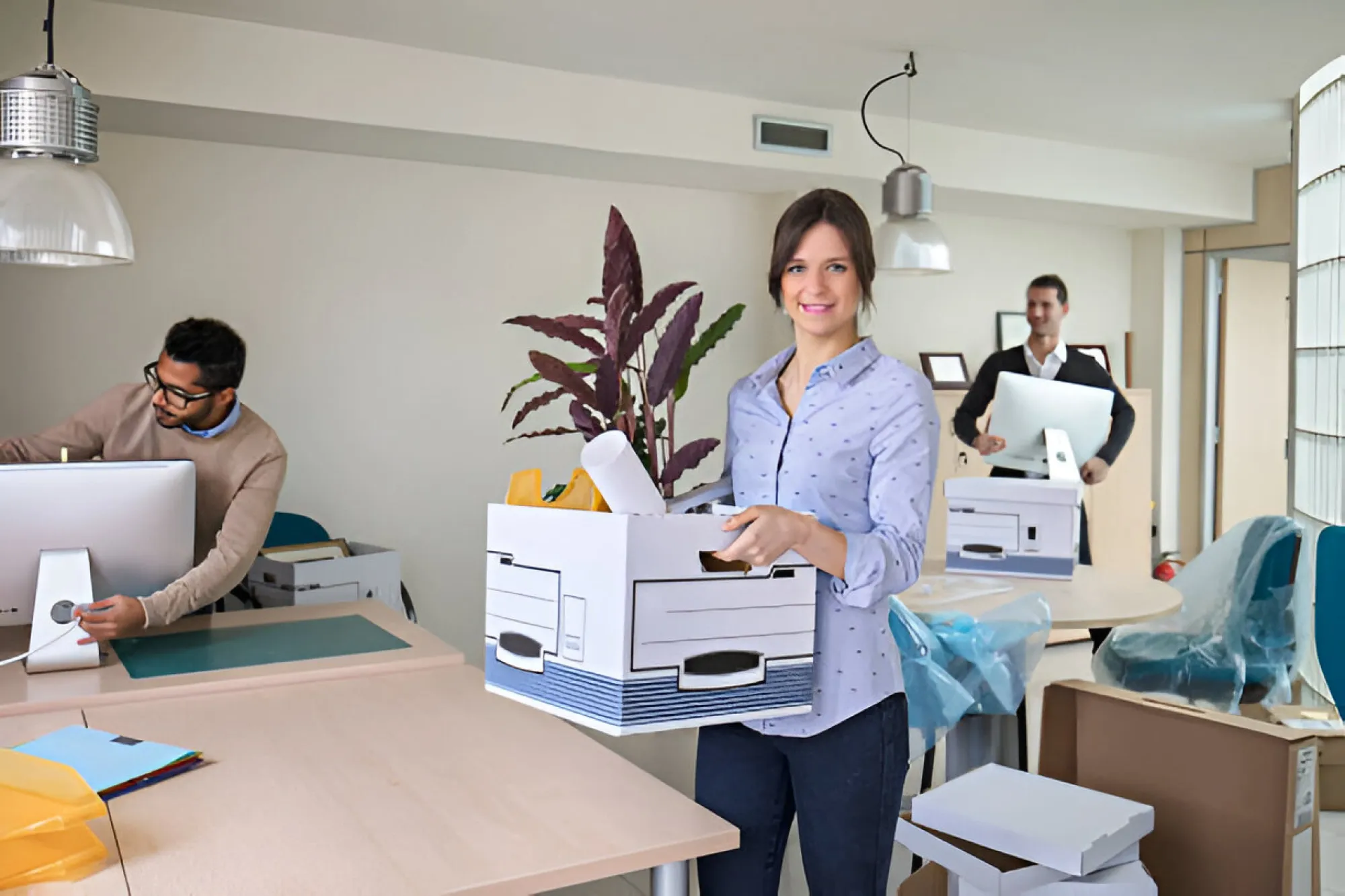

Moving out of a rental property can feel stressful. Even a few small mistakes can delay your bond refund or create extra work after the final inspection. Good preparation helps you avoid these problems and gives you more confidence on moving day.
Many renters spend most of their time packing and arranging transport. They often leave the property inspection until the last day. This approach makes it easy to miss small repairs, cleaning tasks or important documents that the property manager may check.
This guide explains nine practical checks you should complete before returning the keys. You will learn how to inspect the property, fix small problems, clean each area properly and prepare the right documents before the final inspection.
If you are looking for practical house relocation tips Werribee residents can use before moving day, it helps to plan your move and your end-of-lease tasks together. This simple approach gives you enough time to complete each job without rushing and helps you leave the property in good condition.
Whether you are moving to another suburb or another city, these checks will help you stay organised, reduce last-minute stress and prepare for a smoother property handover.

1. Review Your Entry Condition Report Before You Start
Your entry condition report is the most important document to review before you clean or repair anything. It records the condition of the property when your tenancy began. Property managers often use this report during the final inspection to compare the property's current condition with its original state.
Read the report carefully before you start preparing the property. Compare the written notes and photos with each room as it looks today. This step helps you identify changes that happened during your tenancy and decide which items need your attention.
Do not rely on memory alone. Small details are easy to forget after living in a home for months or years. A careful comparison helps you focus on genuine issues instead of spending time on work that may not be necessary.
Compare Every Room in the Same Order
Inspect one room at a time. A consistent routine helps you stay organised and reduces the chance of missing important details.
Check each room for:
- Marks, holes or chips on walls
- Scratches or stains on flooring
- Carpet condition
- Doors, handles and locks
- Windows, tracks and flyscreens
- Light fittings and switches
- Cupboards, shelves and drawers
- Bathroom fixtures and taps
Check Areas That Are Easy to Miss
Property managers often inspect areas that renters overlook during everyday cleaning. Empty rooms make these areas much easier to see.
Take time to inspect:
- Built-in wardrobes
- Laundry cupboards
- Garage or storage area
- Balcony or courtyard
- Garden areas covered by the lease
- Mailbox
- Smoke alarm covers
- Ceiling corners and skirting boards
Example: A wardrobe may appear clean while it is full of clothes. Once it is empty, dust, marks or forgotten items become much easier to notice. Checking these areas before the inspection saves time later.
Takeaway: Review your entry condition report before completing any other task. It gives you a clear starting point and helps you prepare the property with confidence.
2. Complete Minor Repairs Before the Final Inspection
Small repairs can make a noticeable difference during the final inspection. Fixing simple problems before the property manager arrives shows that you have taken reasonable care of the home and helps reduce avoidable bond questions.
Begin by comparing any damage with your entry condition report. This step helps you understand whether the issue already existed or happened during your tenancy. If you are unsure about your responsibilities, check your lease agreement or refer to official Victorian tenancy guidance before making repairs.
Focus on simple jobs first. Many small repairs take only a short time to complete but improve the overall presentation of the property.
Know the Difference Between Wear and Damage
Normal wear and tear happens through everyday use. Tenant damage usually happens because of accidents, misuse or poor care.
Examples of normal wear and tear include:
- Faded paint from sunlight
- Worn carpet in busy walkways
- Slightly loose cupboard hinges
- Minor fading of curtains or blinds
Examples of tenant damage include:
- Large holes in walls
- Broken windows
- Torn flyscreens
- Burn marks on carpet
- Missing fittings or fixtures
Repair Small Problems Before They Grow
Complete simple repairs before you begin the final clean. This order helps you avoid making fresh marks after cleaning.
Look for:
- Nail or picture hook holes
- Loose cupboard handles
- Missing light bulbs
- Loose door stops
- Small gaps in bathroom silicone
- Sticky sliding doors
- Loose toilet seats
- Minor wall marks that can be cleaned safely
Example: Removing a wall hook often leaves a small hole behind. Filling the hole and matching the paint where appropriate creates a tidier finish before the final inspection.
Takeaway: Complete minor repairs early instead of leaving them until moving day. Small improvements help present the property in better condition and make the inspection process smoother.
3. Clean the Property Beyond Everyday Housekeeping
A regular weekly clean is not enough for a final inspection. Property managers usually check areas that collect dust, grease and dirt over time. A careful clean helps you present the property in good condition and reduces the chance of avoidable cleaning issues.
Pack most of your belongings before you begin the final clean. Empty rooms help you see marks, dust and hidden areas much more easily. They also give you enough space to clean every surface properly.
Clean one room at a time. Finish each room before moving to the next one. This simple method helps you stay organised and stops you from missing important areas.
The aim is not to make an older property look new. The aim is to leave the home clean, tidy and ready for the final inspection.
Clean the Most Important Rooms First
The kitchen, bathroom and laundry usually need the most attention because people use them every day.
Check and clean:
- Oven, cooktop and rangehood
- Kitchen cupboards inside and outside
- Benchtops and splashbacks
- Sink and taps
- Shower screen
- Bathroom tiles and grout
- Toilet and basin
- Mirrors
- Exhaust fans
- Laundry sink and cupboards
Check the Small Details
Small areas often create the biggest problems during the final inspection. These areas are easy to overlook while furniture is still inside the home.
Before you leave, inspect:
- Skirting boards
- Window tracks and window sills
- Light switches
- Door frames and handles
- Wardrobes and shelves
- Ceiling corners
- Garage floor
- Balcony or courtyard
- Rubbish bins
Example: A room may look clean from the doorway, but dust along the skirting boards or fingerprints on light switches quickly become visible during a close inspection.
Takeaway: A room-by-room cleaning plan helps you stay organised and reduces the chance of missing small details before the final inspection.
4. Protect the Property While Moving Out
Moving day is often the last chance to keep the property in good condition. Large furniture and heavy boxes can damage walls, floors and door frames if you rush the job.
Plan the order of your move before you start lifting furniture. Remove large items first, move smaller boxes next and complete the final clean after the property is almost empty. This order helps you avoid cleaning the same area twice.
Many renters choose experienced movers because careful handling helps protect both the rental property and household belongings. Harry The Mover Melbourne house removalists is one example of a removal company that focuses on organised loading and careful furniture handling rather than rushing the move.
Walk through the property once the moving vehicle has left. Empty rooms make it much easier to spot fresh marks, forgotten items or small cleaning jobs.
Move Furniture Carefully
Simple habits help prevent unnecessary damage.
Remember to:
- Lift furniture instead of dragging it
- Keep hallways clear
- Protect door frames and corners
- Check narrow spaces before moving large items
- Keep heavy furniture away from painted walls
- Move slowly around stairs
Complete One Final Walkthrough
Inspect every room before locking the property.
Make sure you:
- Remove all personal belongings
- Empty every cupboard and wardrobe
- Check walls and floors for fresh marks
- Turn off lights and appliances
- Close and lock windows
- Remove rubbish from inside and outside
- Collect every key and garage remote
Example: A dining chair can leave a fresh scrape on a wall while you carry it through a hallway. A final walkthrough gives you time to notice and clean small marks before the inspection.
Takeaway: Careful planning and a final walkthrough help protect the property and reduce last-minute problems on moving day.
5. Organise Your Documents Before Returning the Keys
Good records support a smooth end-of-lease handover. They help you answer questions about the property's condition and confirm the work you completed before moving out.
Keep all important documents together before you return the keys. Save digital copies on your phone or computer so you can find them quickly if you need them later.
Clear records also help you confirm cleaning dates, repair work and utility readings. This preparation saves time if the property manager asks for more information after the inspection.
Keep Evidence of the Property's Condition
Take clear, timestamped photos after you finish cleaning and remove your belongings.
Keep copies of:
- Photos of every room
- Cleaning receipts
- Repair invoices
- Entry condition report
- Final inspection emails
- Written communication with the property manager
Complete the Final Paperwork
Finish the last administrative tasks before handing back the keys.
Check that you have:
- Recorded electricity meter readings
- Recorded gas meter readings
- Recorded water meter readings where required
- Returned every house key
- Returned garage remotes
- Returned security fobs or access cards
- Confirmed the agreed key handover process
Example: A dated photo of a clean kitchen and a cleaning receipt provide clear evidence if someone later asks when the work was completed.
Takeaway: Well-organised documents help you complete the handover with confidence and provide useful evidence if questions arise after your tenancy ends.
6. Plan Your Next Move Before Your Lease Ends
Start planning your next move before your lease ends. Early planning gives you more time to organise important tasks and helps you avoid unnecessary stress on moving day.
Create a simple checklist and complete one task at a time. Booking services early also gives you more choice, especially during busy weekends and holiday periods.
If you are moving to a different suburb, spend some time learning about your new area before moving day. Reading a moving to South Yarra guide, for example, can help you understand local parking rules, public transport, nearby services and apartment access before you arrive.
Book Important Services Early
Arrange essential services before your moving date.
Book or organise:
- Removal services
- Internet connection
- Electricity and gas
- Water connection where required
- Building lift access
- Visitor or loading zone bookings
- Childcare or pet care if needed
Update Your Address
Update your details before you move into your new home.
Remember to notify:
- Your bank
- Your employer
- Insurance providers
- Medical clinics
- Australia Post mail redirection
- Online shopping accounts
- Subscription services
- Family and friends
Example: Booking your internet connection before moving day means you can start using your new home straight away instead of waiting several days for an installation.
Takeaway: Early planning saves time, reduces stress and helps you settle into your new home more smoothly.
7. Final End-of-Lease Checklist Before Handing Back the Keys
Complete one final walkthrough before you return the keys. This quick check helps you confirm that the property is ready for inspection and that nothing has been forgotten.
Walk through every room slowly. Compare the property with your entry condition report and check each area one last time. Spending a few extra minutes now can help you avoid simple mistakes.
Complete Your Property Check
Confirm that you have:
- Cleaned every room
- Finished minor repairs
- Removed all personal belongings
- Emptied cupboards and wardrobes
- Cleared the garage, balcony or courtyard
- Removed rubbish and recycling
- Checked doors, windows and locks
Confirm Everything Is Ready for Handover
Before leaving the property, make sure you have:
- Taken timestamped photos
- Recorded utility meter readings
- Saved cleaning and repair receipts
- Returned every key and garage remote
- Returned security fobs or access cards
- Confirmed the key handover arrangement
Takeaway: A final checklist helps you stay organised, reduces the chance of missing small details and prepares you for a smoother property inspection.
Conclusion
Returning a rental property does not need to feel overwhelming. When you review your entry condition report, complete minor repairs, clean every room carefully, protect the property during the move and organise your documents, you make the final inspection much easier.
Start preparing several days before your moving date instead of leaving everything until the last minute. Small tasks become much easier when you complete them one by one.
If you are unsure about your responsibilities, check the latest guidance from Consumer Affairs Victoria or speak with your property manager before returning the keys. Careful preparation helps you finish your tenancy with confidence and begin your next move on the right foot.
Frequently Asked Questions
What should I check before handing back the keys to a rental property?
Review your entry condition report, inspect every room, complete minor repairs, clean the property thoroughly, remove all personal belongings and return every key or access device.
What is normal wear and tear in a Victorian rental property?
Normal wear and tear includes changes that happen through everyday use, such as faded paint, light carpet wear and minor ageing of fixtures. Damage caused by accidents or misuse is different.
Should I take photos before moving out?
Yes. Take clear, timestamped photos after you finish cleaning and remove your belongings. These photos provide a useful record of the property's condition.
Should I keep cleaning and repair receipts?
Yes. Receipts help show that work was completed before the final inspection and may be useful if questions arise later.
When should I start preparing for the final inspection?
Start at least one to two weeks before your moving date. Early preparation gives you enough time to complete repairs, cleaning and paperwork without rushing.
What documents should I keep after moving out?
Keep your entry condition report, inspection emails, cleaning and repair receipts, utility meter readings and timestamped photos until your tenancy has been fully completed.
What happens if the property manager finds a problem during the inspection?
The property manager will explain the issue and discuss the next steps. Clear photos, receipts and other records can help if there is a disagreement about the property's condition.






























Sign in to leave a comment.