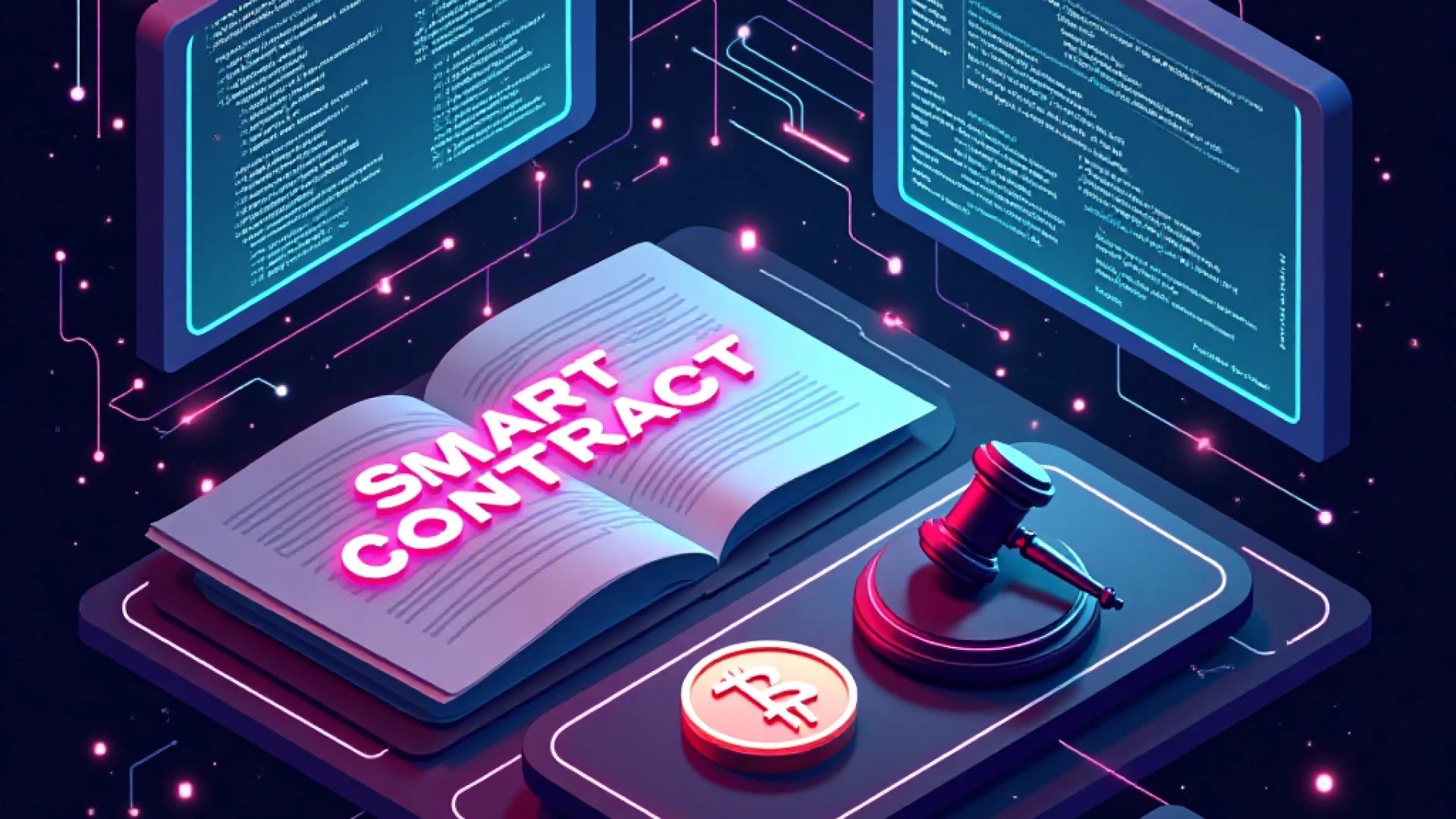

Online marketplaces have transformed the way consumers and businesses interact, enabling global trade and instantaneous transactions. However, the surge of e-commerce, peer-to-peer platforms, and digital services has brought a parallel increase in fraud, disputes, and payment failures. Traditional escrow services attempt to mitigate these risks, but they often involve manual verification, slow fund releases, and high administrative costs.
The emergence of blockchain technology and AI-powered solutions is redefining escrow services. By integrating smart contracts with AI-driven risk assessment, marketplaces can create autonomous escrow systems that ensure secure transactions, transparent fund handling, and fraud reduction. Partnering with a professional smart contract development company allows businesses to design tailored solutions, while specialized smart contract development services ensure robust, compliant, and scalable deployments.
This article explores how AI-augmented smart contracts are revolutionizing escrow services, their architecture, benefits, real-world applications, challenges, and the strategic role of expert blockchain developers in 2025.
Understanding Escrow in Digital Marketplaces
An escrow service acts as a trusted intermediary that temporarily holds funds during a transaction until predefined conditions are satisfied. Buyers are assured that their payment will only be released once they receive the goods or services as agreed, while sellers are protected against non-payment or fraudulent disputes.
Traditional escrow systems depend heavily on centralized authorities, which introduces latency, human error, and susceptibility to manipulation. These limitations often result in slower transactions, increased fees, and reduced trust between parties.
Smart contracts address these challenges by automating escrow functions. Once deployed on a blockchain, the contract automatically manages fund transfers based on pre-programmed conditions. With the addition of AI, escrow services can dynamically assess risks, detect potential fraud, and execute payments securely without human intervention.
How AI-Augmented Smart Contracts Work in Escrow
The integration of AI with blockchain-enabled escrow services creates a self-executing, intelligent system capable of analyzing transactions in real-time.
Transaction Initiation
When a buyer initiates a purchase, funds are automatically deposited into the smart contract. The contract encodes transaction terms, including delivery timelines, product verification requirements, and payment conditions.
Risk Assessment with AI
AI algorithms evaluate the credibility of both parties using historical transaction data, reputation scores, geographic patterns, and behavioral analytics. This dynamic risk assessment identifies potential fraud before the transaction is executed.
Conditional Fund Release
Once the goods or services are delivered, AI verification oracles confirm fulfillment based on predefined metrics such as shipment tracking, digital signatures, or service completion reports. The smart contract then autonomously releases funds to the seller while retaining records on the blockchain for auditing purposes.
Dispute Resolution
If discrepancies occur, AI-powered mediation tools can analyze evidence, provide recommendations, and trigger partial payments or refunds according to pre-agreed rules. This reduces the need for manual arbitration and accelerates conflict resolution.
Technical Architecture of AI-Enhanced Escrow Services
A robust AI-augmented escrow platform includes several technical layers:
Blockchain Layer
This layer ensures immutability, transparency, and decentralized execution of escrow contracts. Platforms such as Ethereum, Polygon, and Solana are commonly used due to their smart contract capabilities and scalability.
Smart Contract Logic
The core contract defines transaction conditions, fund locking and release protocols, and dispute mechanisms. Advanced contracts can handle multi-step transactions, multi-currency payments, and dynamic terms based on risk scoring.
AI and Machine Learning Integration
AI engines process transaction data in real-time to assess fraud risk, verify identities, and monitor unusual patterns. Machine learning models improve continuously, learning from historical transactions to enhance accuracy over time.
Oracles and External Data Feeds
Oracles connect smart contracts to real-world data, such as delivery confirmations, legal compliance checks, and third-party verification reports. This ensures that contracts execute accurately based on external conditions.
Security and Compliance Layer
Security audits, formal verification, and adherence to financial regulations ensure the smart contract and AI modules operate reliably, protecting both buyers and sellers from potential vulnerabilities.
Benefits of AI-Augmented Escrow Services
Enhanced Security and Fraud Prevention
By combining AI detection algorithms with automated fund management, marketplaces can significantly reduce fraudulent activities, chargebacks, and non-compliant transactions.
Operational Efficiency
Automation eliminates manual verification, reduces administrative costs, and accelerates transaction processing, creating seamless experiences for both buyers and sellers.
Transparent and Immutable Records
Every transaction, risk assessment, and fund release is permanently recorded on the blockchain, providing a clear, auditable trail that strengthens trust among users.
Real-Time Decision Making
AI enables smart contracts to evaluate transactions instantly, adjust risk thresholds dynamically, and respond proactively to potential threats, ensuring smooth fund transfers without delays.
Global Accessibility
Blockchain escrow platforms allow transactions across borders, supporting cryptocurrencies or tokenized assets while reducing dependence on centralized banks and intermediaries.
Real-World Applications
E-Commerce Marketplaces
Platforms like decentralized e-commerce or peer-to-peer marketplaces can leverage AI-augmented escrow to reduce disputes, automate refunds, and protect both buyers and sellers from fraudulent activities.
Freelancing Platforms
Freelance marketplaces can implement smart contracts to release payments only after project milestones are verified using AI-assisted delivery and performance assessments.
Real Estate Transactions
Property rental and sale agreements can employ AI-driven escrow services to ensure secure deposit handling, verify ownership, and automate disbursements.
Digital Goods and NFTs
For NFT marketplaces or digital product exchanges, smart contracts can automate royalty payments and verify authenticity using AI-powered verification tools, ensuring secure transfers and fair revenue sharing.
Supply Chain and Logistics
AI-enhanced escrow contracts can ensure suppliers receive payments only after proof of delivery, reducing disputes and fostering trust between businesses in global supply chains.
Challenges in Implementation
While AI-augmented smart contracts offer immense potential, businesses must navigate certain challenges:
Regulatory Compliance
Financial regulations vary by jurisdiction. Smart contracts must integrate compliance checks to avoid legal repercussions and ensure proper taxation and reporting.
Complexity of AI Integration
Combining AI with blockchain requires expertise in both fields. Models must be trained with accurate, unbiased datasets to avoid false positives in fraud detection.
User Adoption
Many users are still unfamiliar with blockchain wallets or AI-driven escrow mechanisms. Effective onboarding and education are necessary to encourage adoption.
Security Risks
Vulnerabilities in smart contract code or AI decision frameworks can be exploited, potentially leading to financial loss. Regular audits and updates are essential.
Data Privacy
AI systems often require access to sensitive data for risk analysis. Balancing privacy with transaction verification is critical, especially under data protection regulations.
The Strategic Role of a Smart Contract Development Company
Engaging a smart contract development company allows businesses to implement secure, reliable, and customizable AI-augmented escrow services. Expert smart contract development services provide end-to-end solutions including:
- Designing escrow contracts with AI integration for fraud detection.
- Connecting external oracles and payment gateways to facilitate real-world transactions.
- Conducting formal security audits and stress testing for vulnerabilities.
- Ensuring regulatory compliance in multiple jurisdictions.
- Maintaining and upgrading contracts as business requirements evolve.
Such partnerships empower startups and enterprises to leverage cutting-edge technology without compromising on security, compliance, or performance.
The Future of Escrow Services
AI-augmented smart contracts will redefine trust in online marketplaces. Emerging trends include predictive fraud analytics, cross-chain escrow solutions, and tokenized digital asset management. By 2025, decentralized escrow platforms will likely become the standard for global e-commerce, freelance marketplaces, and digital asset exchanges, offering instant fund settlements, enhanced transparency, and minimized human intervention.
As marketplaces scale, AI-driven escrow systems will also evolve to handle increasingly complex transactions, multi-party agreements, and compliance across diverse geographies. This positions businesses to deliver safer, faster, and more efficient transaction experiences while maintaining customer trust and operational excellence.
Conclusion
AI-augmented escrow services are transforming online marketplaces by automating fund management, reducing fraud, and enhancing transparency. Businesses can streamline operations, reduce risks, and improve customer trust by leveraging smart contracts integrated with AI-powered verification systems. Partnering with a smart contract development company and utilizing professional smart contract development services ensures robust, secure, and scalable implementation.
In 2025, the synergy between AI and blockchain will redefine the way marketplaces manage transactions, creating a future where trust is algorithmically enforced, disputes are minimized, and payments are seamless across borders and platforms.
FAQs
Q1. How do AI-augmented escrow services prevent fraud in online marketplaces?
They combine blockchain automation with AI-powered risk analysis, verifying transactions, detecting anomalies, and executing payments only when conditions are met.
Q2. Can AI-driven escrow handle international transactions?
Yes, blockchain-based escrow platforms support global transactions using cryptocurrencies or tokenized assets, minimizing banking friction.
Q3. What industries can benefit from AI-integrated escrow services?
E-commerce, freelancing platforms, real estate, digital goods marketplaces, and supply chain management can all benefit from enhanced security and automation.
Q4. Why should businesses work with a smart contract development company?
Professional developers provide secure, compliant, and scalable escrow solutions, reducing risks of errors, fraud, or regulatory violations.
Q5. What are the key challenges of implementing AI-powered smart contracts?
Challenges include regulatory compliance, AI model accuracy, user adoption, data privacy, and smart contract security vulnerabilities.





















Sign in to leave a comment.