

Introduction
The evolution of blockchain technology has brought about immense innovation in decentralized finance, digital identity, tokenization, and enterprise adoption. Yet, one of the most critical barriers to mainstream adoption remains interoperability. Most blockchains, from Ethereum to Polkadot and Cosmos, operate as isolated ecosystems, limiting the ability for smart contracts to communicate seamlessly across multiple chains. This lack of interoperability creates inefficiencies, fragmented liquidity, and a poor user experience for decentralized applications.
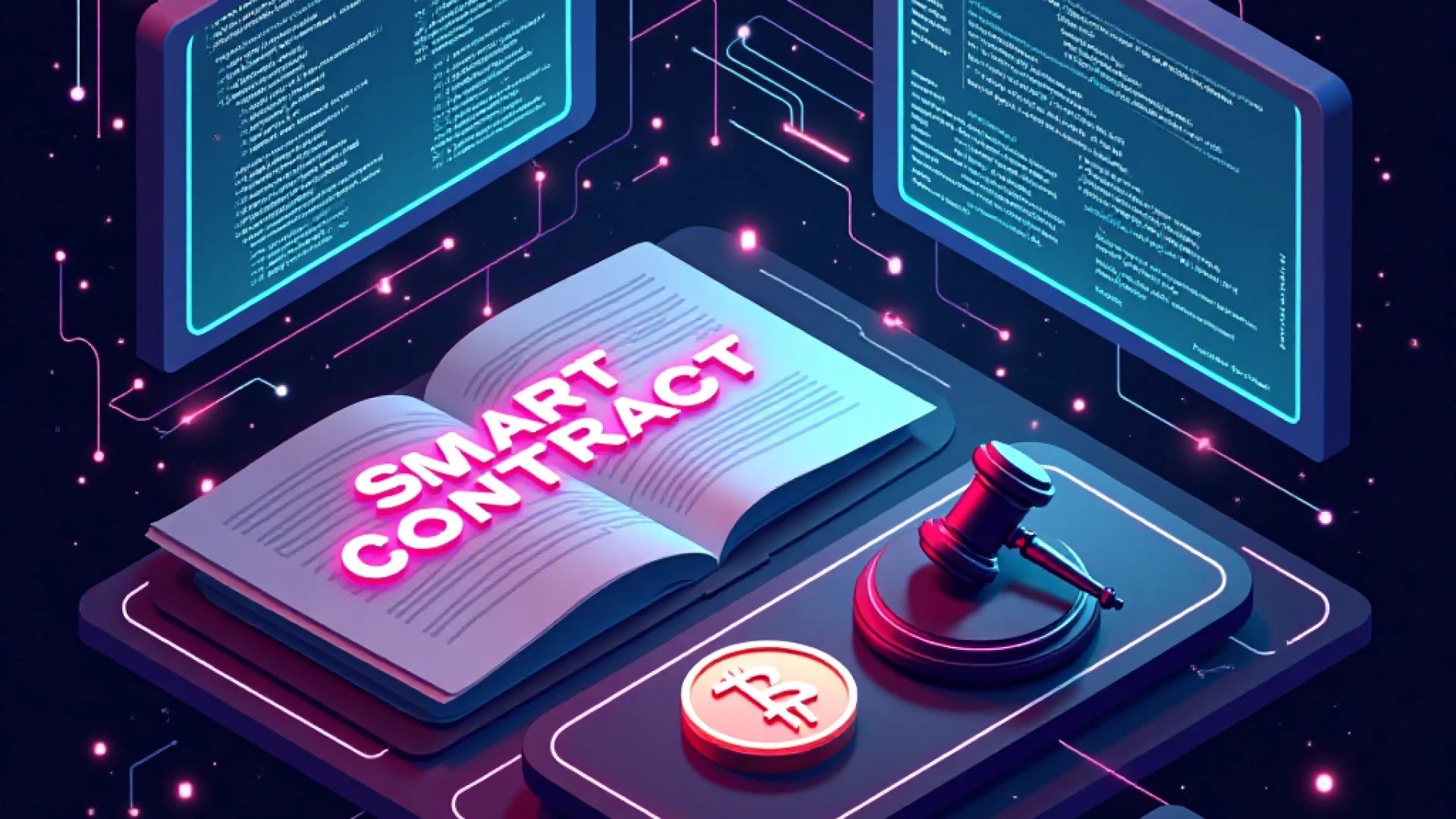
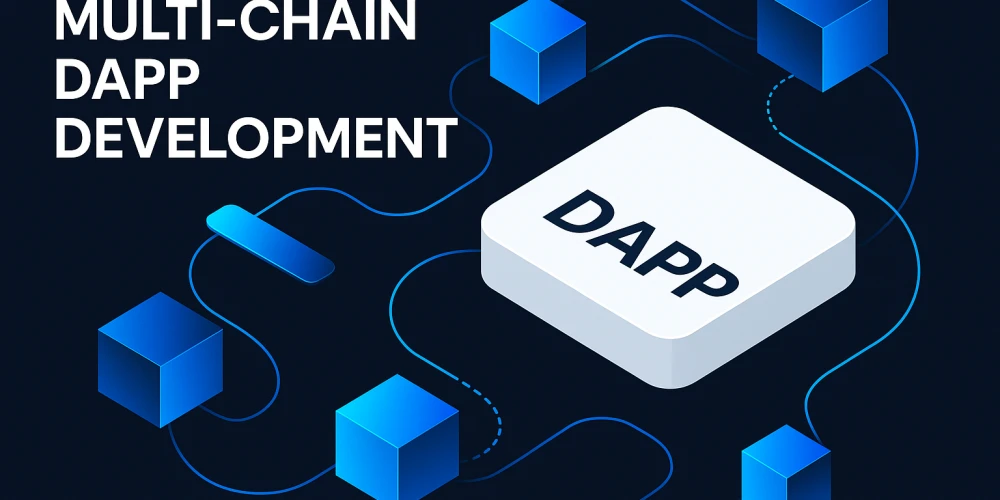
A new wave of blockchain engineering focuses on building cross-chain bridges, interoperability protocols, and composable smart contracts capable of functioning across multiple networks. For businesses seeking to launch decentralized products or financial services, partnering with a smart contract development company becomes essential. These specialized firms offer tailored smart contract development services that enable enterprises to design cross-chain applications, ensuring adaptability, efficiency, and regulatory readiness. As Web3 matures, interoperability is no longer optional—it is the backbone of the future decentralized economy.
The Importance of Blockchain Interoperability
The concept of interoperability is not new in digital systems. Just as the internet only achieved mass adoption once different networks were able to communicate using shared protocols, blockchain networks require similar levels of seamless interaction. Without interoperability, businesses and users are forced into siloed ecosystems, where assets, liquidity, and data cannot flow freely.
For example, a decentralized lending platform built on Ethereum may have access to vast liquidity pools but cannot directly interact with users on Solana or Polygon without complex bridging mechanisms. This fragmentation reduces adoption and increases costs. By contrast, interoperable smart contracts allow businesses to build applications that work seamlessly across ecosystems, improving capital efficiency, reducing friction, and enabling users to interact with multiple blockchains effortlessly.
A leading smart contract development company helps organizations tackle these challenges by building multi-chain solutions that integrate protocols like Polkadot parachains, Cosmos IBC (Inter-Blockchain Communication), and Layer-2 bridges on Ethereum. These interoperability solutions expand opportunities for businesses by ensuring that their products are not confined to a single blockchain’s limitations.
Challenges in Cross-Chain Smart Contract Development
While interoperability promises efficiency and scalability, building cross-chain smart contracts presents several technical challenges.
First, security is a significant concern. Cross-chain bridges and interoperability protocols are common targets for exploits because they involve locking, minting, or transferring assets across ecosystems. High-profile exploits in 2021–2023 exposed billions of dollars in vulnerabilities, emphasizing the need for robust smart contract development services that prioritize security audits and formal verification.
Second, performance bottlenecks arise from the differences in consensus mechanisms. For example, an Ethereum mainnet transaction might take several minutes to finalize, whereas a Solana-based smart contract operates at sub-second finality. Synchronizing these systems requires sophisticated middleware and smart contract logic capable of handling asynchronous communication.
Third, regulatory compliance becomes increasingly complex in multi-chain ecosystems. A smart contract development company must ensure that cross-chain applications comply with global standards such as AML, KYC, and GDPR, depending on the industries in which the client operates.
Approaches to Blockchain Interoperability
Several strategies are being explored to achieve seamless blockchain interoperability. Each comes with its strengths and limitations, and businesses must carefully choose the model that best fits their use case.
Cross-Chain Bridges
Bridges connect two or more blockchains by locking tokens on one chain and minting wrapped assets on another. While widely used, bridges have faced significant security risks due to their reliance on centralized validators or multi-signature wallets. Smart contract development services play a critical role in building more secure, decentralized bridge mechanisms with enhanced risk controls.
Hub-and-Spoke Architectures
Protocols like Polkadot and Cosmos offer hub-and-spoke models where a central relay chain or hub coordinates communication among multiple blockchains. This approach reduces complexity by standardizing how chains communicate but requires projects to adopt specific ecosystems. Smart contract developers leverage these frameworks to build interoperable decentralized applications that extend functionality across multiple parachains or zones.
Layer-2 and Rollups
Layer-2 scaling solutions such as Optimistic Rollups and zkRollups also contribute to interoperability by connecting high-throughput environments with Ethereum’s security. Interoperable smart contracts can bridge liquidity between rollups and the main chain, unlocking composability across scaling solutions.
Middleware and APIs
Some interoperability efforts focus on middleware solutions that abstract away blockchain differences using APIs. For businesses, this simplifies integration, allowing them to focus on application logic without directly handling cross-chain complexity. A professional smart contract development company often incorporates middleware to create user-friendly multi-chain platforms.
Benefits of Interoperable Smart Contracts for Businesses
Cross-chain interoperability is not just a technical advancement—it brings tangible benefits to startups, enterprises, and users.
Enhanced Liquidity and Capital Efficiency
Interoperability allows liquidity to flow freely across chains, meaning businesses can access larger capital pools. A lending platform, for example, could leverage liquidity from Ethereum, Polygon, and Avalanche simultaneously, offering users better rates and improved capital utilization.
Improved User Experience
End users no longer need to worry about which blockchain they are interacting with. Interoperable smart contracts abstract complexity, enabling users to transact, stake, or lend without managing multiple wallets or bridging tokens manually. This improves adoption rates and reduces churn.
Future-Proof Applications
Blockchains evolve quickly, and no single network is guaranteed to dominate long-term. Businesses that build applications restricted to one blockchain risk obsolescence. Interoperable smart contracts ensure that applications remain relevant and adaptable to new ecosystems as they emerge.
Compliance and Auditability
Cross-chain smart contracts can embed compliance rules across ecosystems, ensuring businesses meet regulatory requirements regardless of jurisdiction. Smart contract development services often include integrating identity verification, AML checks, and audit trails across multi-chain systems.
Role of a Smart Contract Development Company in Interoperability
Building interoperable smart contracts requires expertise across multiple blockchain platforms, security practices, and regulatory frameworks. A professional smart contract development company provides end-to-end services, including architecture design, coding, auditing, and deployment across chains.
These companies also guide businesses through critical decisions, such as choosing whether to build custom bridges, integrate with existing interoperability protocols, or rely on middleware. By providing tailored smart contract development services, they ensure that startups and enterprises can scale without being tied to the limitations of one ecosystem.
Additionally, top-tier companies emphasize security and compliance. Formal verification, penetration testing, and independent audits are integral to minimizing risks in multi-chain deployments. This gives businesses confidence that their interoperable applications can scale securely.
Use Cases of Cross-Chain Smart Contracts
Interoperability opens the door to innovative applications across industries:
- Decentralized Finance (DeFi): Multi-chain lending, borrowing, and trading platforms with unified liquidity pools.
- Supply Chain Management: Smart contracts validating goods across blockchain networks operated by different stakeholders.
- Gaming and NFTs: Assets that can move across chains, enabling players to use NFTs across multiple ecosystems.
- Enterprise Solutions: Cross-chain data sharing for financial institutions, logistics providers, and identity management systems.
Each of these cases highlights why businesses increasingly rely on specialized smart contract development services to execute complex multi-chain strategies.
The Future of Interoperable Smart Contracts
Looking forward, blockchain interoperability will evolve through a combination of decentralized bridges, standardized communication protocols, and advances in zero-knowledge proofs. As artificial intelligence becomes more integrated with blockchain, AI-powered oracles may further improve interoperability by managing real-time communication between chains.
For businesses, the long-term outlook is clear: applications must be designed with interoperability in mind. Enterprises working with an experienced smart contract development company will be better positioned to adapt to this shift, ensuring that their decentralized platforms can thrive in a multi-chain world.
Conclusion
Blockchain interoperability is no longer a futuristic concept but a critical requirement for Web3 adoption. Interoperable smart contracts enable businesses to operate across ecosystems, improve user experiences, and unlock new liquidity opportunities. By collaborating with a trusted smart contract development company, startups and enterprises can leverage professional smart contract development services to design secure, scalable, and compliant multi-chain applications.
As the blockchain landscape continues to evolve, interoperability will drive the next phase of adoption. Businesses that prioritize cross-chain strategies today will be the ones leading tomorrow’s decentralized economy.
FAQs
1. What is blockchain interoperability in smart contracts?
Blockchain interoperability refers to the ability of smart contracts to function seamlessly across multiple blockchain ecosystems, allowing data, assets, and transactions to move freely between networks.
2. How can a smart contract development company help with interoperability?
A smart contract development company offers specialized smart contract development services that include building cross-chain bridges, integrating with interoperability protocols, and ensuring regulatory compliance.
3. What are the main risks of cross-chain smart contracts?
The primary risks include security vulnerabilities in bridges, differences in consensus mechanisms, and regulatory complexities. Professional development services mitigate these risks through audits and formal verification.
4. Which industries benefit most from interoperable smart contracts?
Industries such as DeFi, supply chain management, gaming, and enterprise data sharing see the most value, as interoperability improves efficiency and user engagement.
5. What is the future of blockchain interoperability?
The future lies in decentralized interoperability protocols, zero-knowledge proofs for secure cross-chain validation, and AI-enhanced communication systems, ensuring a fully connected blockchain ecosystem.
























Sign in to leave a comment.