
Plumbing materials have evolved significantly over the years. Traditional options like iron and galvanised steel are now used less frequently because they are heavy, prone to rust, and expensive to install. Today, contractors and engineers prefer durable, low-maintenance plumbing materials that offer better long-term performance.
Among modern options, aluminium pipes are becoming a practical choice for residential, commercial, and industrial projects due to their lightweight design and resistance to corrosion. When comparing aluminium vs copper pipes, factors such as weight, installation costs, and durability can greatly influence project timelines and budgets.
In this guide, we’ll explore aluminium pipe uses, key advantages, how they compare with other materials, and important factors to consider before buying the right pipe for your project.
What are Aluminium Pipes?
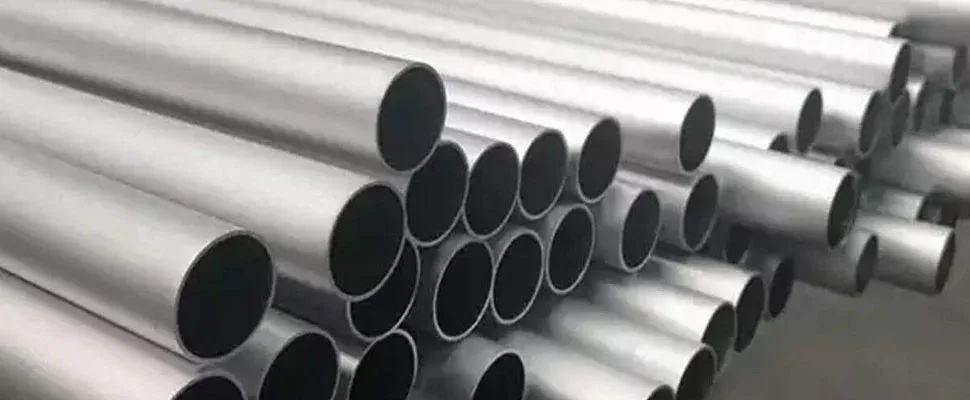
Aluminium pipes are hollow tubes made from aluminium or stronger aluminium alloys. Since pure aluminium is soft, manufacturers add elements like magnesium, silicon, or manganese to make it stronger. The 6000 series alloys, mainly 6061 and 6063, are common in plumbing. They are easy to weld and resist corrosion, making the pipes durable and dependable.
These pipes are made by extrusion, giving them even wall thickness and smooth inner surfaces. The smooth bore cuts friction as fluid flows, improving efficiency. They weigh about one‑third as much as steel pipes of the same size. A natural oxide layer protects them from rust without extra coating.
Key Properties That Make Aluminium Pipes Suitable for Plumbing
Corrosion resistance is the main advantage. The metal reacts with oxygen and forms a thin oxide film on the surface. That film stops rust from developing, which matters a lot in water systems where internal corrosion leads to contamination and early pipe failure.
The lightweight nature of these pipes is a practical advantage on-site. Workers can carry, position, and fit them without heavy equipment. Less work means faster installation and lower labour costs. The strength-to-weight ratio is good, and these pipes will take normal operating pressures without collapsing under load.
Thermal conductivity is higher in aluminium than in most plastics. Heat transfers quickly through the pipe wall, which is useful in systems that need to maintain consistent fluid temperatures. Fabrication is straightforward as well; the pipes are cut, bent, and joined using standard mechanical tools. No specialist welding equipment is needed for most plumbing applications.
Applications of Aluminium Pipes in Modern Plumbing
Residential Plumbing
Builders use aluminium pipes to distribute clean water throughout homes because they’re light and easy to position in wall cavities. They reduce strain on framing and supports versus steel or copper, and during renovations, they connect to existing lines without welding, keeping installations quicker and cleaner.
Commercial Buildings
In large offices, retail centres, and multi-storey buildings, aluminium pipes transport high water volumes between floors and zones. Their low weight speeds installation and cuts labour costs. They’re preferred for sprinklers due to a higher melting point than plastics, and for roof drainage because they resist long-term corrosion.
HVAC Systems
Aluminium piping is found in HVAC systems for moving refrigerants and chilled water between system components. Its high thermal conductivity enhances heat transfer and thus overall energy efficiency. Aluminium also does better than steel against external moisture, so surface condensation is less, especially in humid conditions.
Industrial Plumbing
Industrial plants use aluminium piping to transport certain liquids and process gases, where its corrosion resistance withstands harsh conditions better than steel. It’s also well-suited to compressed air systems, since it doesn’t produce internal rust or particles that could contaminate the airflow and harm downstream machinery.
Benefits of Using Aluminium Pipes
Because aluminium pipes are lighter, installation costs drop: smaller crews can move and fit them faster, speeding up project timelines. Over time, expenses remain low since the pipes don’t rust and don’t require ongoing surface treatments, recoating, or intensive maintenance, reducing overall lifecycle costs significantly.
Aluminium pipe offcuts are fully recyclable and this reduces material waste on site. The pipes themselves cost less than copper and are lighter, which makes them easier to transport. This means for property owners a plumbing system with less routine oversight and fewer repair bills.
Comparison with Other Plumbing Materials
Copper is a traditional plumbing material, but it's significantly heavier and more expensive per metre. It's also a frequent target for theft on active construction sites, which adds a security and cost risk. Aluminium doesn't carry the same resale value and so isn't targeted in the same way.
PVC is more inexpensive than aluminium, but it gets brittle under UV exposure and can crack under pressure or in cold temperatures. Aluminium handles higher temperatures and internal pressures without those failure risks.
Stainless steel is stronger under high mechanical stress, but it's considerably heavier and harder to modify on-site. For most applications where you want rust resistance, manageable weight and reasonable cost, aluminium occupies a practical middle ground that neither steel nor copper can match.
How to Choose the Right Aluminium Pipes
Start with the pipe diameter and wall thickness needed for the expected flow rate and internal pressure. Getting this wrong causes either pressure loss or over-engineering that wastes budget.
Alloy grade selection depends on the application. A pipe carrying drinking water has different requirements than one moving industrial chemicals or compressed air. Check whether the system fluid is acidic or high in mineral content; some grades perform better with internal coatings under those conditions.
Operating temperature and pressure ranges must match the mechanical limits of the alloy you select. Each grade has published performance data for this. Always verify the specification against actual site conditions rather than using a default grade across all applications.
How to Choose the Right Aluminium Pipe Supplier
Choose suppliers who have the correct industry certifications and can supply a material test certificate for each batch to verify the alloy composition and quality. For big projects, make sure they have good inventory in the sizes you need so you don’t have to wait when demand is high. Always ask what they normally stock before buying.
Check the batch consistency as mixing pipes from different batches having variations in quality within the same system can cause problems. Find clear transparent pricing with no hidden freight or handling fees. You can get technical advice and order sizes or alloys directly from an experienced aluminium manufacturer. A reliable aluminium pipe supplier will also offer fair bulk pricing and proof of material origin.
Conclusion
Aluminium pipes have a good balance of corrosion resistance, low weight and reasonable installation costs. Hence the reason why their application in residential homes, commercial buildings and industrial facilities has grown. They are also quite durable over long periods of service and do not require much maintenance.
If you are planning a new installation or looking at materials for a project coming up, contact a reliable Aluminium Pipe Supplier and get the specifications that will suit your system requirements. For larger quantities or special alloy grades please speak directly with an Aluminium Manufacturer who can offer technical advice along with the supply.



























Sign in to leave a comment.