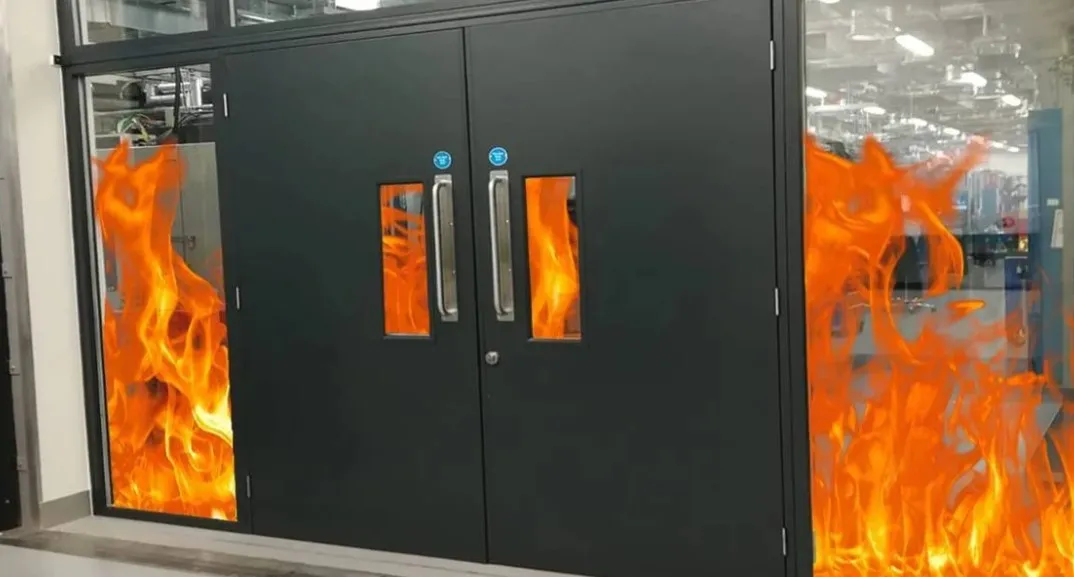

Most standard doors are not built to resist forced entry. A determined intruder with basic tools can break through a hollow-core wooden door in seconds. Property owners across residential, commercial, and industrial sectors are recognising this gap and shifting to reinforced safety doors and fire safety doors as a practical fix rather than an optional upgrade. This blog covers what safety doors are, why material quality directly affects how long they protect you, the key benefits they offer, where they're commonly used, and what to look for when buying one.
What Are Safety Doors?
Safety doors are reinforced entry doors that are made to withstand physical force, unauthorised access and environmental damage. It’s not just that they’re heavier than a regular door. The difference is in the materials, the framing system, and the locking mechanism.
Most are made from solid steel, stainless steel, or a combination of metal-reinforced materials. The frame is further secured into the structure of the wall so that there is no prying on the edges. Multi-point locking systems lock the door in several locations along the frame at the same time, instead of a single central point as with a conventional door lock. Impact resistance is built into the door panel itself, so it won't buckle under blunt force.
Why Quality Matters in Safety Doors
A low-cost safety door and a high-quality one look similar on a product page. The difference shows under pressure.
Low-cost doors often use thin metal that bends easily. They may look solid but fail against common burglary tools. Poor-quality locks jam early, frames distort, coatings flake, and once rust begins, overall structural strength quickly declines.
A quality safety door uses certified, thick steel, a sturdy frame, and weather- and rust-resistant finishes. Fire-rated versions contain smoke and flames for extended periods, particularly in larger buildings, and rarely need replacement.
The upfront cost is higher. The long-term cost is lower. And the protection you get in between is actually reliable.
Key Benefits of Installing Quality Safety Doors
Enhanced Security
A heavy-gauge steel door with a multi-point locking system is far more resistant to break-ins than a regular door. Crowbar attacks that target a single lock point become ineffective because force is spread along the entire frame, and certified steel resists common cutting tools.
Better Family and Property Protection
Many owners say a solid door eases worries about leaving property unattended. A robust entry barrier genuinely reduces risk and, for businesses, safeguards inventory, servers, and sensitive records in unoccupied spaces overnight.
Durability and Low Maintenance
Steel does not crack or expand in moisture and stays straight, unlike wood. A good metal door will generally only require the occasional lubrication of the locks to work for years, which is much more affordable than the maintenance of wooden doors that require repainting, re-treatment or early replacement.
Fire and Weather Resistance
Fire-rated safety doors are certified for how long they block fire and smoke, typically 30, 60, or 90 minutes. This is crucial during evacuations. With proper coatings, steel doors also prevent water seepage at the frame, vital for exposed ground-floor and exterior entries in heavy rain areas.
Improved Property Value and Aesthetics
Safety doors are available in a range of finishes that suit both residential and commercial interiors. Buyers of property do notice pre-installed security features, and it factors into perceived value. A well-fitted steel door with a clean finish can add to the appearance of an entry rather than detract from it.
Applications of Safety Doors
Safety doors are used across a wide range of building types, each with different access control needs.
Residential homes and apartments: The main entry door and balcony access points are common installation spots. The goal is straightforward: prevent break-ins and secure personal belongings.
Commercial buildings: Offices, hotels, showrooms, and retail spaces use heavy-duty doors to protect stock and IT infrastructure outside business hours. Server rooms often have their own interior safety door in addition to the main building entry.
Industrial facilities: Warehouses and manufacturing plants install reinforced doors to restrict access to hazardous material storage, equipment bays, and high-value inventory areas.
Educational and healthcare institutions: Schools, hospitals, and public buildings carry high foot traffic and specific compliance requirements for fire exits and emergency access. Certified safety doors cover both the security requirement and the fire egress requirement in a single installation.
Common Mistakes to Avoid When Choosing Safety Doors
Many buyers focus only on appearance and colour while ignoring the actual build quality of the door. A beautiful exterior design is useless if the underlying metal sheet is too thin to stop a heavy blow. Another error is ignoring material strength and thickness, which dictates how much impact the door can take before bending. Buyers also save money by choosing poor locking systems that break down or jam after a few months. It is also common to buy doors without checking corrosion resistance, leading to rusted frames within a couple of years if exposed to rain. Finally, people overlook professional installation, forgetting that a premium safety door will fail to protect a property if it is fitted poorly into a weak wall frame.
How to Choose the Right Safety Door
To choose the right safety door, look at technical details rather than just picking the most inexpensive option. First, check the material and thickness selection carefully; steel doors should have a proper gauge thickness to resist cutting and heavy impacts. Next, evaluate the locking system quality to ensure it features multiple solid deadbolts and anti-drill cylinders. While design and aesthetic preferences matter to match your building style, they should never compromise the overall structural strength. Make sure the exterior finish has proper weather and corrosion resistance coatings, especially for outdoor entries exposed to rain. Lastly, always check the manufacturer's reputation and clear warranty support to ensure you are buying a tested product that performs reliably under pressure.
Importance of Choosing a Reliable Safety Door Manufacturer
The manufacturer determines what you actually receive. A supplier with proper quality controls will use certified materials and test their products against industry standards. You can verify this through their documentation before purchasing.
Experienced manufacturers like MP Swastik Doors, part of Shree Swastik Rolling Shutter & Engineering Work, supply tested products including Metal Fire Doors suited to high-pressure and fire-risk environments. They cover customisation for non-standard building dimensions, which is a practical requirement across residential and commercial projects. Professional manufacturers also provide installation support and after-sales service for lock maintenance or frame adjustments. That support matters because the door's performance depends on correct fitting as much as on the product itself.
Conclusion
A quality safety door is a straightforward investment in the security of your property. The protection it provides relies on material quality, lock engineering, and correct installation. All three need to meet a minimum standard for the door to do its job.
Don't choose based on price alone. A door that bends under pressure or has a lock that can be bypassed in seconds is not a security door, regardless of what it's labelled. Speak to a trusted manufacturer, confirm the material specifications, and get professional installation from the start.
Contact MP Swastik Doors to discuss the right safety door specification for your property.


























Sign in to leave a comment.