

The numbers are hard to ignore. By mid-2026, India's renewable capacity had crossed 288 GW- nearly four times what it was in 2014. Clean energy now covers 52...

A dyeing unit in Palsana signed a solar captive deal and expected to cover most of its bill. Two years later, savings were roughly half of what the model pro...

Every listing photo shows the same thing. Two cups of coffee, a misty valley, a wooden deck.What the photo won't tell you is whether the deck next door is tw...

In the competitive landscape of Gujarat's textile industry, businesses face a crucial decision: own renewable power plants or purchase power from developers. This choice can significantly impact costs and operational headaches. Discover the nuanced differences between these options and how a careful assessment of consumption patterns could save you money in the long run.
In the heart of Gujarat, old wind turbines stand on prime land, representing a significant untapped potential for repowering. New policies aim to boost generation rates, but can the state adapt its regulations to fully leverage this opportunity? Discover the key factors that could turn these aging assets into modern powerhouses.
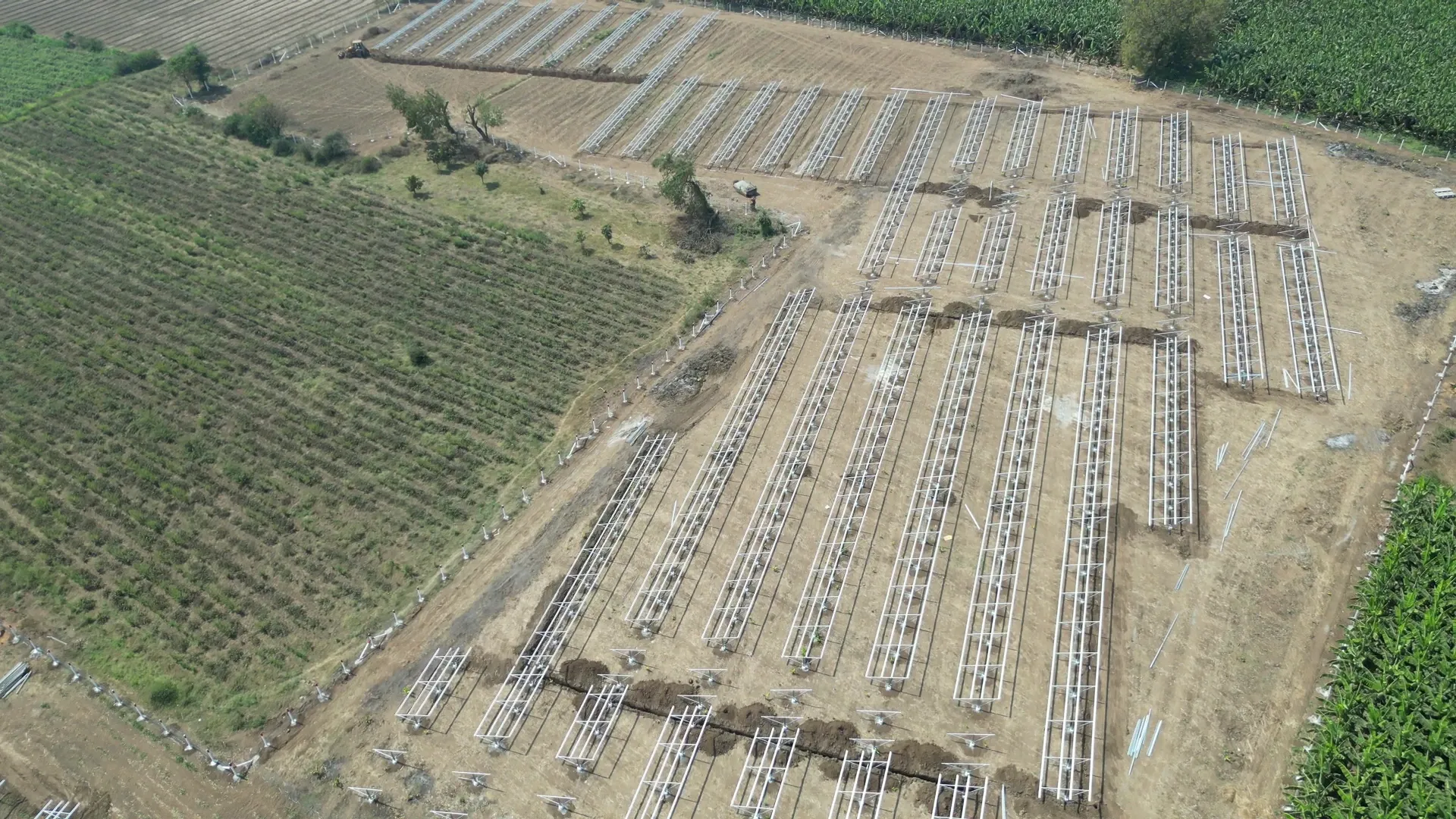
Gujarat didn't plan its way to the front of India's hybrid energy story. Geography did most of the work.The state has roughly 1,600 km of coastline, wind spe...
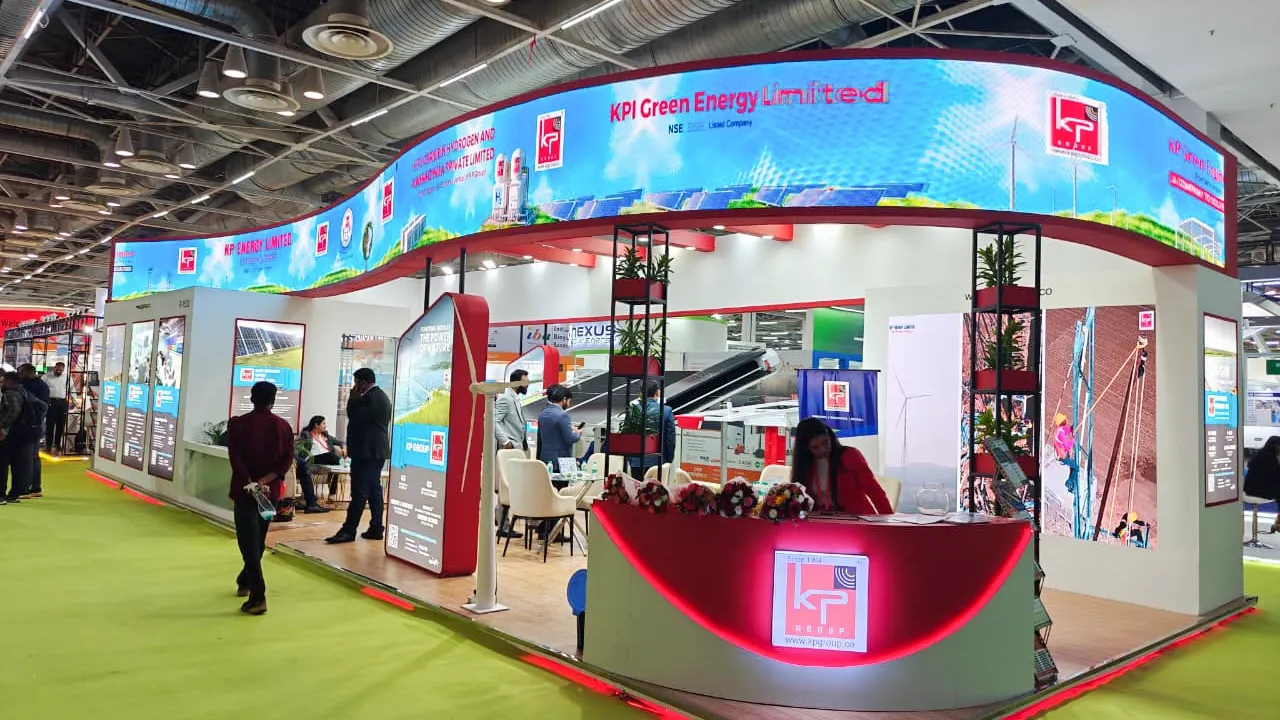
For the better part of fifteen years, wind in India was mostly a tax story.Small investors bought a turbine or two, claimed accelerated depreciation, and lef...
The rest of the ranking sits inside a paid research report- which tells you something on its own. Anyone publishing a free top 10 with confident MW figures beside each name is either guessing or ranking whoever paid for the slot.
In the bustling streets of Surat, the magic of seamless connectivity is often taken for granted. But behind every two-second payment lies a complex web of infrastructure that keeps everything running smoothly. Discover the unsung heroes of Gujarat's telecom landscape, from rust-resistant steel to clever isolators, all working tirelessly to support the data demands of a rapidly growing city.
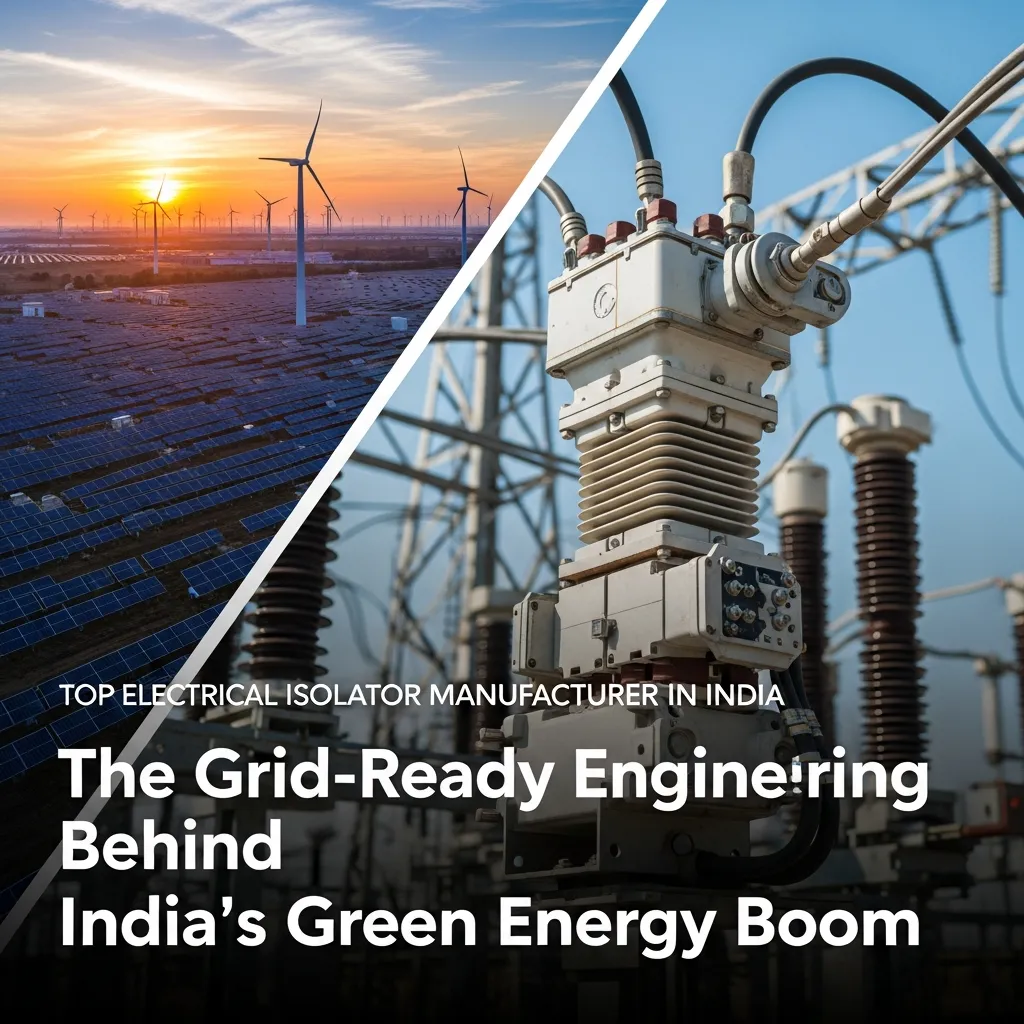
India’s clean-energy market has moved from policy ambition to execution scale. Between FY2020 and FY2026, solar capacity expanded from nearly 35.6 GW to 150....
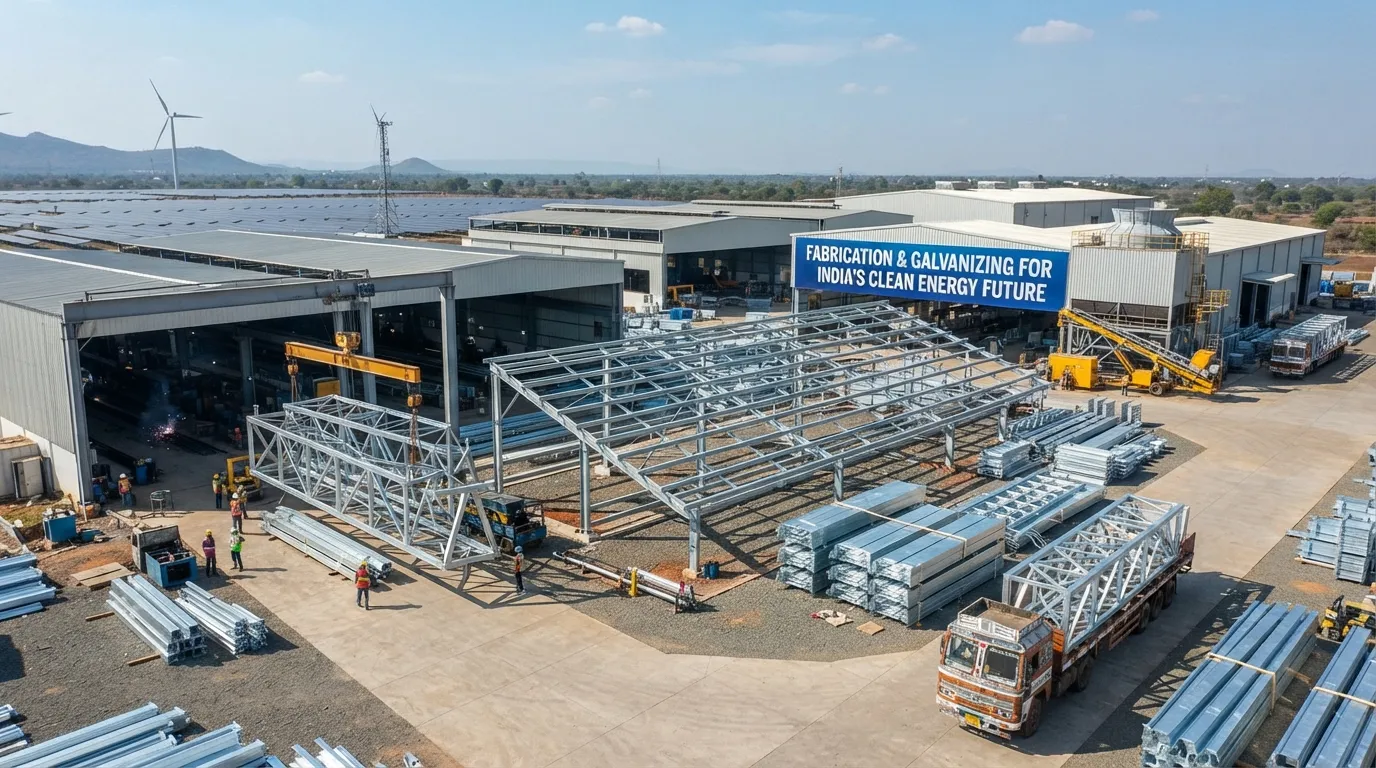
India’s green energy story is no longer a policy promise; it is an infrastructure race. Between 2020 and 2026, solar capacity moved from nearly 36 GW to more...
India’s green hydrogen market is no longer a distant policy story; it is becoming an investable infrastructure theme
In the quest for energy independence, Indian industries are increasingly investing in captive solar power plants. This trend not only addresses rising electricity costs but also enhances operational reliability. Explore the reasons behind this shift and the critical elements industries must assess before making the leap into solar energy.
Surat's factories are facing a critical juncture as they seek sustainable and cost-effective energy solutions. With the limitations of traditional energy sources becoming apparent, the rise of hybrid power systems offers a promising alternative. Explore how this innovative approach can help businesses optimize production while navigating the complexities of energy consumption.
Independent power producers in India are not state utilities and not just private developers chasing subsidies. They sit in between. They move faster
When people talk about India’s renewable energy growth, Gujarat often comes up. Rajasthan too, with its large solar parks. Surat rarely gets mention
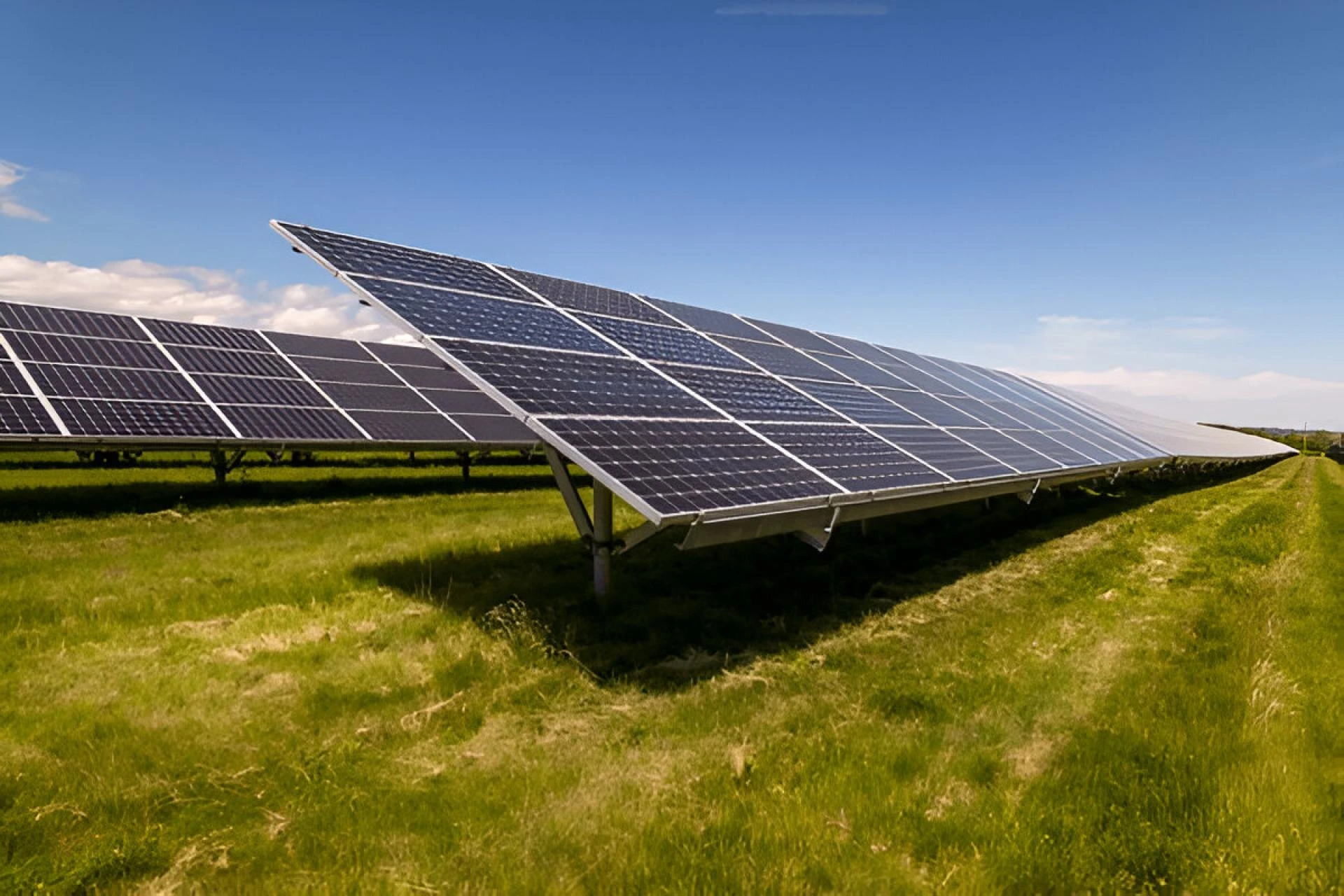
Walk through any industrial belt in Gujarat and the role of power is obvious. Textiles, chemicals, ceramics, steel—the factories keep running day an
IntroductionLook around any industrial zone in India or drive through the plains of Texas and you’ll see the signs of change. Solar panels reflectin