

Auto fraud, encompassing various deceptive practices related to automobile transactions, has become increasingly common in recent years. The growing number of reported cases is fueled by multiple factors, including technological advancements, economic pressures, and systemic vulnerabilities in the auto industry. These elements collectively create an environment where fraudsters find new opportunities, and consumers face heightened risks.
Sue Your Dealer - an auto fraud attorney conducted a thorough research on why auto fraud has become more common than earlier.
Let's find out what all knowledge and information they accumulated through their studies and research.
Technological Advancements as a Double-Edged Sword
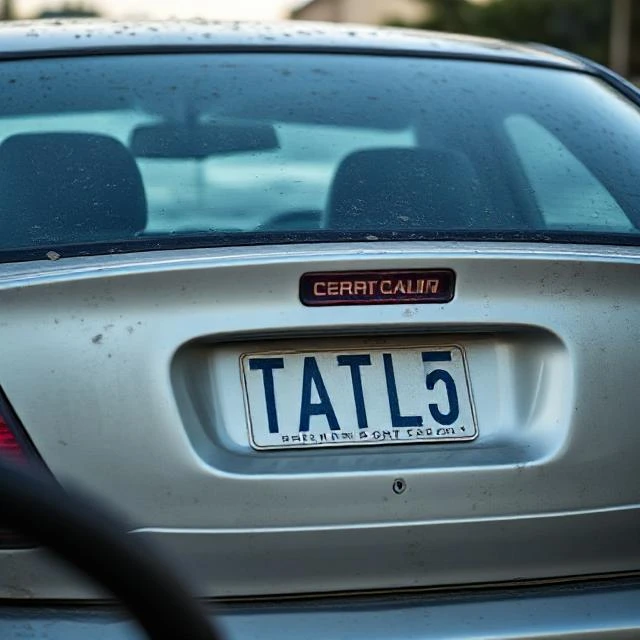
While technology has streamlined car transactions and financing, it has also opened new avenues for fraud. Online car sales platforms and digital financing options, though convenient, are susceptible to cybercrime. Fraudsters can create fake listings, manipulate odometers, or even fabricate vehicle titles with relative ease. Additionally, advancements in software allow for the cloning of Vehicle Identification Numbers (VINs), enabling criminals to sell stolen vehicles with fraudulent documentation.
Economic Pressures Leading to Desperation
Economic instability, rising inflation, and financial hardship have pushed both consumers and businesses toward desperate measures. For some, committing fraud becomes a survival tactic, while others fall prey to predatory schemes due to financial vulnerability. Buyers seeking the lowest prices may ignore red flags in too-good-to-be-true deals, leaving them exposed to scams.
Demand for Used Vehicles Increasing Risks
The rising demand for used cars, fueled by supply chain disruptions and skyrocketing prices of new vehicles, has created a lucrative market for fraud. High demand often means less scrutiny, as buyers rush to secure a vehicle. This has led to a surge in deceptive practices like odometer tampering, title washing, and selling vehicles with undisclosed damage.
Limited Oversight and Enforcement Gaps
The lack of stringent regulatory oversight in certain aspects of the auto industry contributes significantly to the prevalence of fraud. Insufficient background checks on dealerships, minimal penalties for fraudulent behavior, and fragmented state laws create loopholes that fraudsters can exploit. These systemic gaps allow fraudulent actors to operate with minimal risk of detection or punishment.
Consumer Awareness and Education Lag Behind
Despite the growing threat, many consumers remain unaware of how to identify and avoid auto fraud. Fraudsters exploit this lack of awareness by employing increasingly sophisticated tactics. For instance, fake online dealerships, forged paperwork, and convincing sales pitches make it difficult for the average buyer to discern legitimate deals from fraudulent ones.
Globalization and Complex Supply Chains
The global nature of the auto market adds another layer of complexity. Vehicles are often manufactured in one country, shipped to another for assembly, and sold in a third. This multi-step process creates opportunities for fraud at various points, from altering vehicle histories to concealing recalls or safety defects. Global supply chain issues have further exacerbated these vulnerabilities.
The Need for Comprehensive Solutions
Addressing the rise in auto fraud requires a multifaceted approach. Stricter enforcement of regulations, consumer education initiatives, and technological safeguards like blockchain for vehicle histories can help combat fraud. Moreover, industry collaboration and standardized practices across states and countries are essential to closing loopholes and reducing fraud.
In summary, the rise in auto fraud is a product of modern technology, economic pressures, and systemic weaknesses in the industry. Tackling this issue effectively demands a combination of regulatory, technological, and educational efforts to protect consumers and restore trust in automobile transactions.


























Sign in to leave a comment.