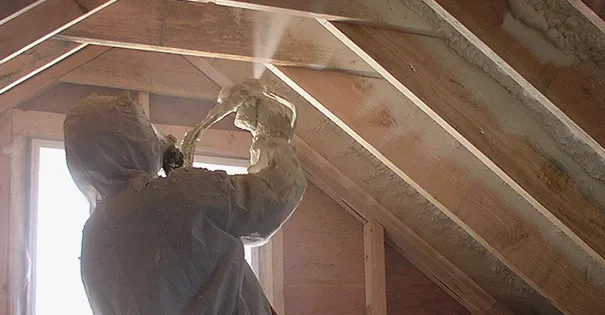

Attics and crawl spaces are often the most neglected parts of a building, yet they have the biggest impact on energy efficiency and indoor comfort. Poor insulation in these areas leads to air leaks, moisture buildup, and higher utility bills. That is why many property owners are now focusing on the Benefits of Spray Foam for attics and crawl spaces when upgrading insulation systems.
Modern insulation solutions have evolved, and spray foam insulation has become a preferred choice due to its ability to seal, insulate, and protect in one application. When applied correctly, it transforms both attic and crawl space environments into controlled and efficient spaces.
Why Attics and Crawl Spaces Need Proper Insulation
Attics and crawl spaces are exposed to extreme temperature changes throughout the year. Without proper insulation, these areas allow heat and cold air to move freely, which affects the entire building.
Many buildings suffer from energy loss simply because these spaces are not insulated correctly. Understanding the Benefits of Spray Foam for Attics and Crawl Spaces helps property owners realize how much efficiency they are losing.
Poor insulation can also lead to long-term structural issues. Moisture buildup, wood rot, and mold growth are common problems that start in these hidden areas and spread over time.
Common Issues in Poorly Insulated Spaces
- Air leakage and drafts
- High humidity levels
- Mold and mildew growth
- Increased energy bills
- Uneven indoor temperatures
Using spray foam insulation helps eliminate these issues by creating a complete seal that traditional materials cannot provide.
What Makes Spray Foam Insulation Different
Traditional insulation materials only slow down heat transfer, but they do not stop air movement. This is where spray foam stands apart. It expands after application and fills every small gap and crack.
This unique feature is one of the key Benefits of Spray Foam for Attics and Crawl Spaces because it turns these areas into airtight zones that improve overall building performance.
Spray foam also adapts to irregular surfaces, making it ideal for attics and crawl spaces where structures are not always uniform.
Types of Spray Foam
- Open-cell foam, which is soft and flexible
- Closed-cell foam, which is dense and moisture-resistant
Closed-cell foam is commonly used in crawl space insulation due to its strength and resistance to water.
Energy Efficiency and Lower Utility Bills
Energy loss is one of the biggest challenges in buildings with poor insulation. Air leaks in attics and crawl spaces force HVAC systems to work harder, increasing energy consumption.
One of the most important Benefits of Spray Foam for Attics and Crawl Spaces is its ability to reduce energy waste significantly. It seals all air leaks and maintains consistent indoor temperatures.
Over time, this leads to noticeable savings on heating and cooling costs. Property owners often see a return on investment through reduced utility bills.
How Spray Foam Improves Efficiency
- Creates an airtight seal
- Reduces heat transfer
- Keeps conditioned air inside
- Lowers HVAC workload
These features make spray foam insulation a smart investment for long term savings.
Moisture Control and Mold Prevention
Moisture is a serious issue in crawl spaces and attics. Traditional insulation can absorb water, which leads to mold growth and structural damage.
Another key point in the Benefits of Spray Foam for Attics and Crawl Spaces is its moisture resistance. Closed-cell spray foam acts as a barrier that prevents water from entering.
This helps maintain a dry environment and protects the building from costly repairs.
Moisture Protection Advantages
- Blocks water vapor
- Reduces mold growth risk
- Protects wood and structural elements
- Improves air quality
For effective crawl space insulation, moisture control is essential, and spray foam delivers strong performance in this area.
Improved Indoor Comfort
Comfort inside a building depends heavily on insulation quality. Drafts, cold floors, and uneven temperatures are common signs of poor insulation.
One of the noticeable Benefits of Spray Foam for Attics and Crawl Spaces is improved indoor comfort. Sealing all gaps, it ensures that indoor temperatures remain stable throughout the year. This creates a more pleasant living or working environment.
Comfort Related Benefits
- Even temperature distribution
- Reduced drafts
- Better humidity control
- Quieter indoor spaces
With proper spray foam insulation, these improvements are noticeable almost immediately.
Long Lasting Durability
Durability is an important factor when choosing insulation. Many traditional materials lose effectiveness over time due to settling or moisture damage.
Among the top Benefits of Spray Foam for Attics and Crawl Spaces is its long lifespan. Once applied, it maintains its structure and insulation value for years. This reduces the need for frequent replacements and maintenance.
Why Spray Foam Lasts Longer
- Does not sag or settle
- Resistant to moisture damage
- Maintains performance over time
This makes it a reliable option for both attic and crawl space insulation.
Air Sealing and Leak Prevention
Air leakage is one of the main causes of energy inefficiency. Even small openings can lead to significant heat loss.
The Benefits of Spray Foam for Attics and Crawl Spaces include superior air sealing capabilities. It expands into every corner, ensuring no gaps are left behind. This creates a protective barrier that improves insulation performance.
Air Sealing Features
- Fills cracks and gaps completely
- Prevents outside air entry
- Enhances overall efficiency
These are some of the most talked about spray foam benefits when comparing insulation options.
Cost and Value Over Time
While spray foam has a higher upfront cost, its long-term value makes it a worthwhile investment.
Another important aspect of the Benefits of Spray Foam for Attics and Crawl Spaces is the return on investment it provides through energy savings and reduced maintenance.
Property owners often compare attic insulation cost with performance and find spray foam to be more cost-effective over time.
Cost Factors
- Size of the area
- Type of foam used
- Installation complexity
These factors influence the overall cost but also determine long-term savings.
Comparison Table
| Feature | Spray Foam Insulation | Traditional Insulation |
| Air Sealing | Excellent | Limited |
| Energy Efficiency | High | Moderate |
| Moisture Resistance | High | Low to Moderate |
| Lifespan | Long | Medium |
| Maintenance | Low | Moderate |
This table clearly shows why many people consider the Benefits of Spray Foam for Attics and Crawl Spaces when choosing insulation.
Conclusion
The Benefits of Spray Foam for Attics and Crawl Spaces go beyond basic insulation. It provides energy efficiency, moisture protection, durability, and improved comfort in one solution. While the initial cost may be higher, the long-term savings and performance make it a smart choice.
For those looking to upgrade their insulation system, working with experts like Butler Professional Sprayfoam ensures quality installation and lasting results.
FAQs
1. What are the main benefits of spray foam for attics and crawl spaces
It improves energy efficiency, prevents moisture buildup, and enhances indoor comfort.
2. Is spray insulation better than traditional insulation
Yes, it offers better air sealing and long-term performance.
3. Can spray foam be used in crawl spaces
Yes, it is one of the best options for crawl space insulation due to its moisture resistance.
4. Does spray foam reduce insulation cost over time
It can lower long-term costs by reducing energy bills and maintenance needs.
5. How long does spray insulation last
It can last for decades without losing its effectiveness.



























Sign in to leave a comment.