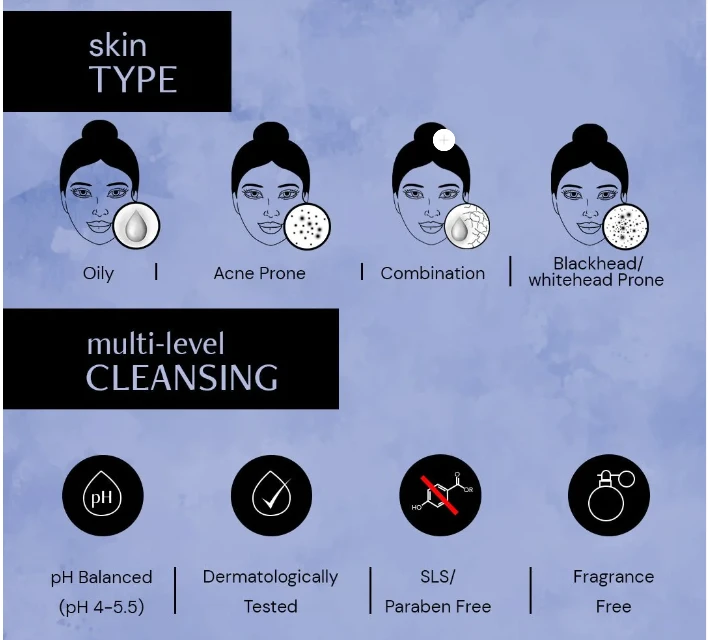
Salicylic acid face wash has become a cornerstone in skincare routines for those battling acne-prone skin. With its deep-cleansing, exfoliating, and anti-inflammatory properties, salicylic acid isn't just a trend—it's a scientifically-backed solution for clearer, healthier skin.
What is Salicylic Acid and How It Works on Acne-Prone Skin
Salicylic acid is a beta hydroxy acid (BHA) derived from willow bark. Unlike alpha hydroxy acids (AHAs), BHAs are oil-soluble, allowing them to penetrate deep into pores clogged with excess sebum and dead skin cells.
Mechanism of Action:
- Penetrates into clogged pores
- Exfoliates from within
- Dissolves oil-based blockages (blackheads, whiteheads)
- Reduces inflammation and redness
Key Benefits of Salicylic Acid Face Wash for Acne-Prone Skin
1. Deep Cleansing of Pores
Salicylic acid effectively unclogs pores by breaking down the bond between dead skin cells and excess oil. This prevents the formation of comedones and acne lesions.
Key Benefits:
- Targets sebaceous glands
- Reduces pore congestion
- Clears blackheads and whiteheads
2. Prevents Future Breakouts
Unlike temporary treatments, salicylic acid provides ongoing prevention by keeping pores clear, which lowers the chance of future breakouts.
Clinical Insight:
- Continued use results in a 30–50% reduction in acne lesions over 6–8 weeks
- Preventive mechanism works even when acne is not visibly present
3. Reduces Inflammation and Redness
Acne often causes swelling, pain, and redness. Salicylic acid, being anti-inflammatory, helps calm irritated skin.
Science Behind It:
- Inhibits production of pro-inflammatory cytokines
- Soothes papules and pustules
4. Exfoliates Without Physical Scrubbing
Many exfoliants damage sensitive acne-prone skin. Salicylic acid offers chemical exfoliation, which is gentle yet effective.
Why It Matters:
- Prevents microtears in the skin
- Boosts skin cell turnover
- Brightens complexion and smoothens skin texture
5. Balances Excess Sebum Production
Oily skin is more prone to acne. Salicylic acid helps regulate oil levels without stripping the skin of essential moisture.
Results:
- 25–35% decrease in visible oiliness
- Improved skin clarity and reduced shine
6. Improves Skin Tone and Texture
With consistent use, salicylic acid face wash can reduce post-acne pigmentation and improve the overall texture of the skin.
Dermatological Insight:
- Diminishes dark spots and acne scars
- Promotes even skin tone
7. Boosts Efficacy of Other Acne Treatments
By clearing the skin’s surface and opening pores, salicylic acid allows better absorption of serums, moisturizers, and acne-targeting activities.
Synergistic Benefits:
- Enhances efficacy of niacinamide, benzoyl peroxide, and retinoids
- Prepares skin for better product penetration
How to Use Salicylic Acid Face Wash Effectively
- Use twice daily: morning and evening
- Apply on damp skin: for better lather and activation
- Massage for 30–60 seconds: let the acid do its work
- Rinse thoroughly: avoid leaving residues
- Follow with moisturizer and SPF
Conclusion
Salicylic acid face wash is a multitasking powerhouse. It deeply cleans, exfoliates, prevents breakouts, and improves overall skin health. For oily and acne-prone skin types, it offers a science-backed, dermatologist-recommended solution for clearer, smoother skin.
FAQs
Is salicylic acid safe for daily use?
Yes, most 1–2% formulations are safe for twice-daily use.
Can salicylic acid remove acne scars?
It helps fade post-acne marks and pigmentation over time through consistent exfoliation.
What should I not mix with salicylic acid?
Avoid mixing with strong AHAs, retinol, or vitamin C without professional guidance.




















Sign in to leave a comment.