Let’s cut through the fluff—when it comes to skincare, Vitamin C serum is one of those rare products that lives up to the hype. You’ve probably seen it everywhere, from influencer routines to dermatologist recommendations. But what does it actually do for your skin? Why is everyone so obsessed with this little bottle of concentrated goodness?
Let’s break it down.
What Is Vitamin C Serum, Exactly?
Vitamin C serum is a potent, antioxidant-rich skincare product formulated with a stable form of Vitamin C (also known as ascorbic acid or one of its derivatives). It’s applied topically to deliver a powerful dose of skin-loving nutrients, with a texture light enough to be absorbed quickly.
And no, it’s not the same as eating an orange. Topical Vitamin C works directly on the skin where it’s needed most.
Key Benefits of Vitamin C Serum for Your Skin
1. Brightens Dull, Tired Skin
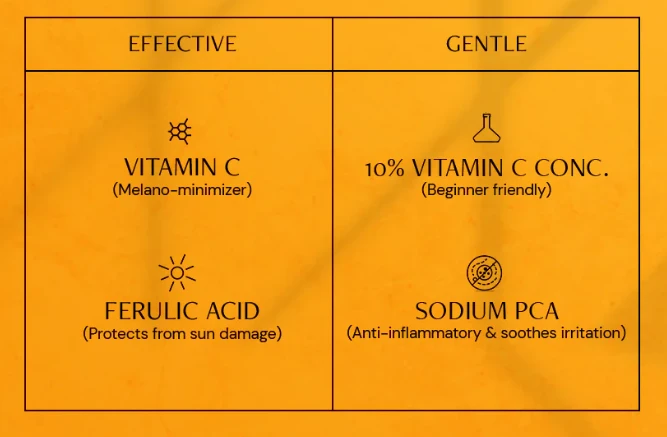
Ever feel like your face just looks...blah? Vitamin C can help fix that. It blocks the enzyme that produces melanin (aka the stuff that causes dark spots and dullness). The result? A more even, radiant complexion that looks fresh instead of fatigued.
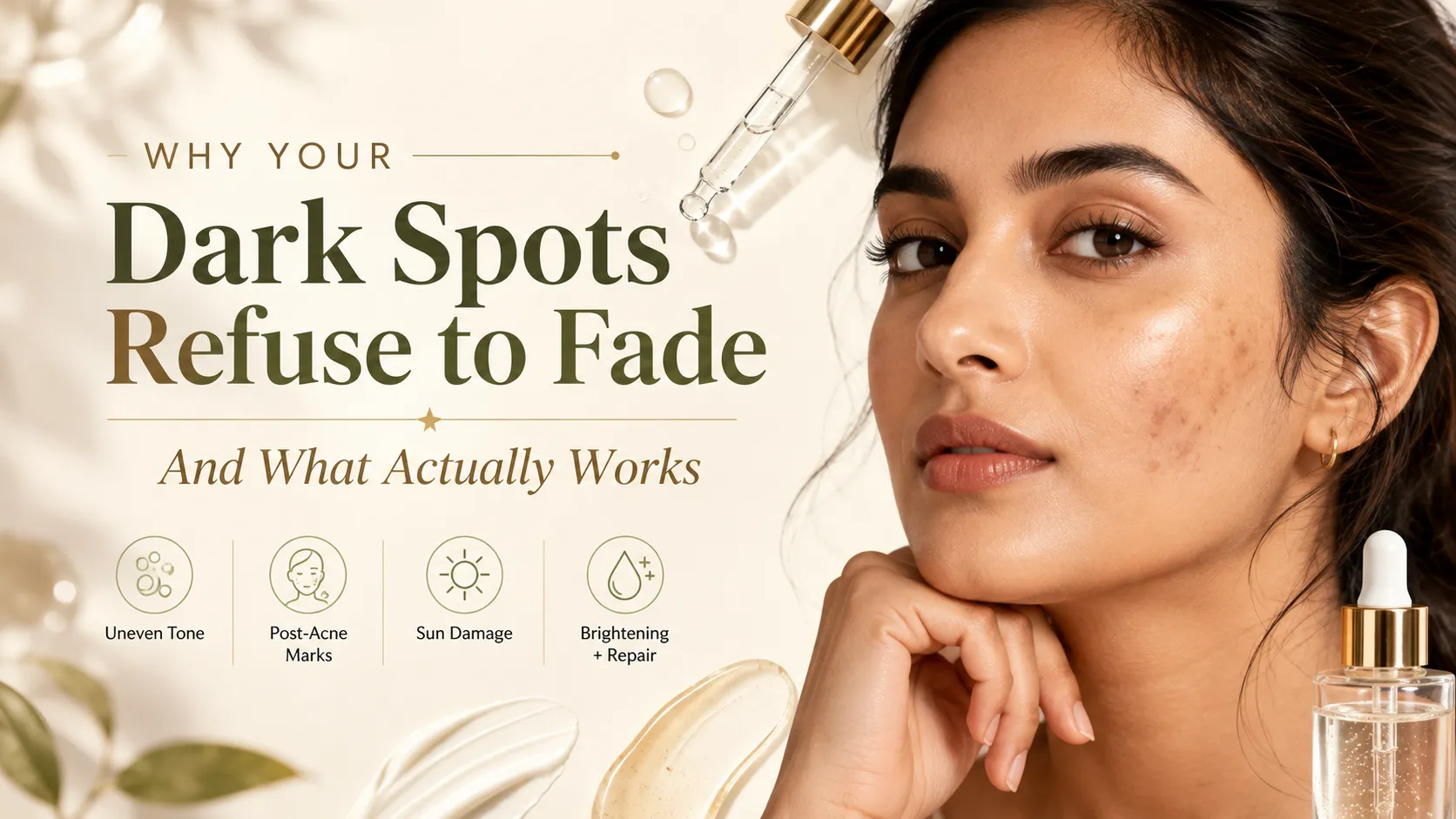
2. Fades Hyperpigmentation and Dark Spots
Whether it's leftover acne scars, sun spots, or melasma, Vitamin C serum can visibly reduce them. It slows down melanin production in problem areas, fading pigmentation over time and leaving you with clearer, more even-toned skin.
3. Boosts Collagen Production
Collagen is the stuff that keeps your skin looking firm, plump, and youthful. As you age, your body makes less of it. Vitamin C steps in and stimulates collagen production, helping to minimize fine lines and wrinkles.
Think of it as encouraging your skin to act younger than it is.
4. Fights Free Radical Damage
We’re surrounded by pollution, UV rays, and other skin stressors. These cause free radicals—unstable molecules that damage skin cells and speed up aging. Vitamin C is an antioxidant superhero that neutralizes those free radicals before they wreak havoc.
5. Helps Heal Sun Damage
While it’s not a substitute for sunscreen, Vitamin C can reduce some of the inflammation and damage caused by sun exposure. It can also work to lighten sunspots and uneven tone caused by too much UV.
6. Improves Skin Texture and Smoothness
Tired of rough patches or bumpy texture? With regular use, Vitamin C helps to smooth out the skin surface and refine texture, making it softer and more touchable.
The Science Behind Vitamin C Serum
Here’s what’s happening under the surface:
- Neutralizes oxidative stress: Vitamin C donates electrons to free radicals, stopping them from stealing electrons from your healthy skin cells.
- Supports natural repair: Vitamin C assists enzymes in regenerating damaged skin and increasing skin turnover.
- Boosts barrier function: With regular use, it strengthens the skin barrier, helping it hold moisture better and block irritants.
Popular Types of Vitamin C in Serums
Not all Vitamin C is the same. Different formulations suit different skin types:
- L-Ascorbic Acid: The most potent form, fast-acting, but can be irritating for sensitive skin.
- Sodium Ascorbyl Phosphate: A gentler derivative, great for acne-prone skin.
- Magnesium Ascorbyl Phosphate: Hydrating and stable, good for dry or sensitive types.
- Ascorbyl Glucoside: Known for its brightening effect and high stability.
What Skin Types Benefit Most?
The short answer? All of them. But here’s a quick breakdown:
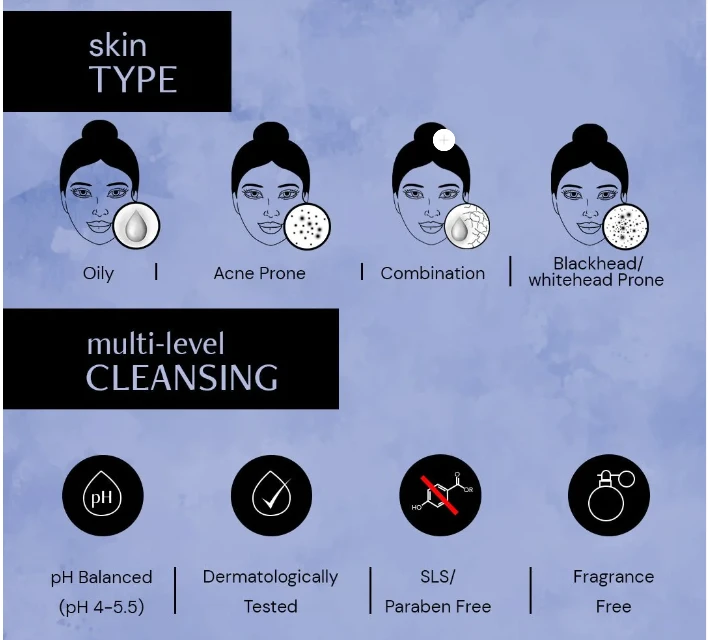
- Oily skin: Look for water-based serums that won’t clog pores.
- Dry skin: Choose formulas with hydrating ingredients like hyaluronic acid.
- Sensitive skin: Go for lower concentrations (5–10%) and more stable derivatives.
- Mature skin: Vitamin C helps reduce signs of aging and improve elasticity.
When & How to Use It
Morning = Best Time.
Apply Vitamin C after cleansing and toning, before moisturizing and SPF. Using it in the AM gives your skin added protection throughout the day.
Don’t forget:
- A few drops go a long way
- Pat it in gently
- Always follow with sunscreen
Can You Pair It With Other Ingredients?
Yes, but choose wisely.
Good Combos:
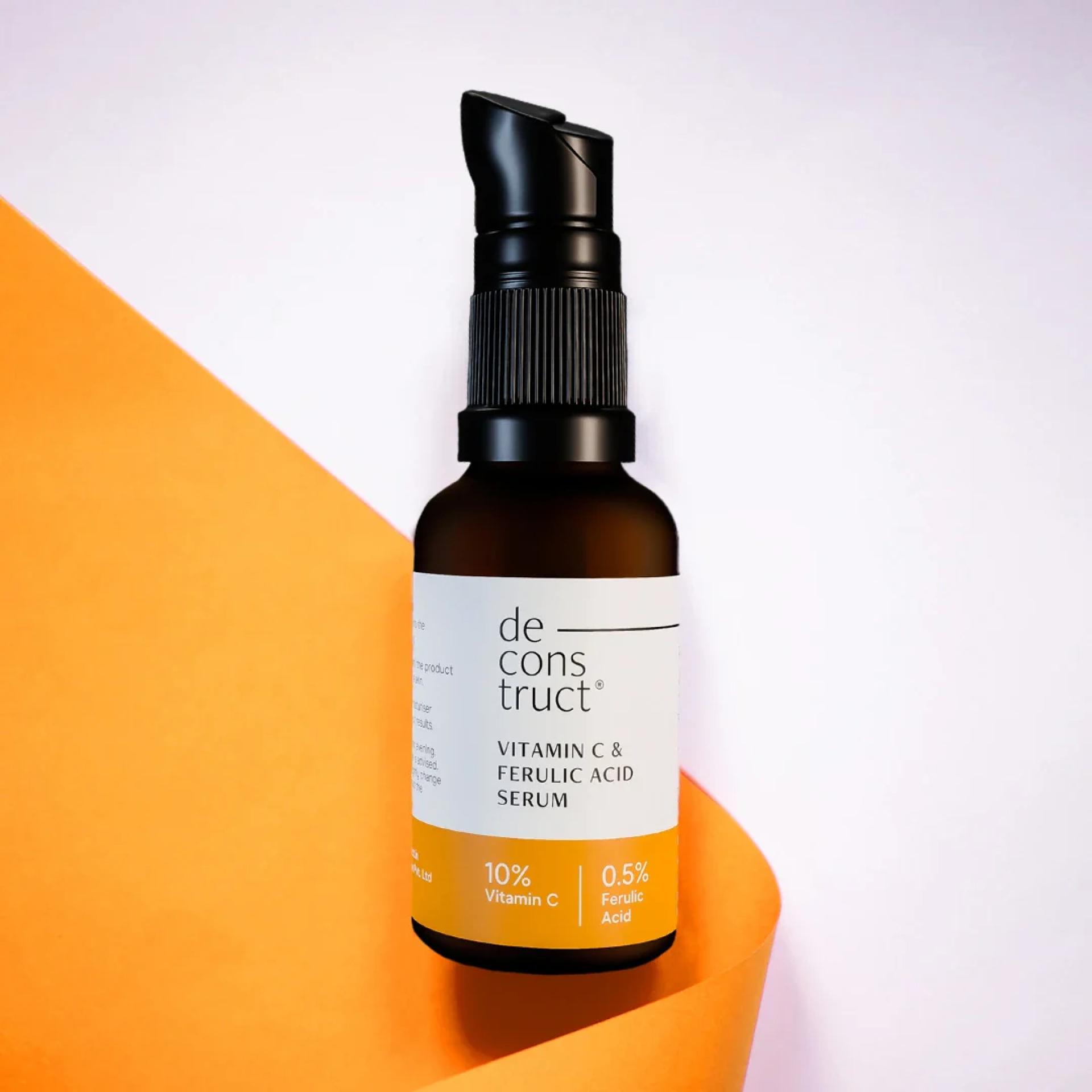
- Vitamin E & Ferulic Acid: These stabilize Vitamin C and make it even more effective.
- Hyaluronic Acid: Combines well for hydration and glow.
- Niacinamide: Yes, it’s safe—just use a few minutes apart for best results.
Avoid Mixing With:
- Benzoyl Peroxide: Deactivates Vitamin C.
- AHAs/BHAs/Retinol (Simultaneously): Can irritate the skin—use on alternate routines.
How Soon Will You See Results?
Let’s keep it real—results don’t happen overnight.
- Within 1 week: Brighter, fresher look
- After 4 weeks: Fewer dark spots, smoother skin
- After 8–12 weeks: Noticeable improvements in firmness, tone, and texture
Stick with it and you’ll start seeing your skin transform.
Possible Side Effects to Watch For
- Mild tingling: Normal, especially in the beginning.
- Redness or irritation: Try switching to a lower concentration or gentler form.
- Oxidation: If your serum turns yellow or brown, it’s time to toss it.
Always do a patch test before using a new serum.
Real Talk: Is It Worth Adding to Your Routine?
Absolutely—if you're consistent. Vitamin C serum isn’t magic, but it’s close. It works with your skin over time to protect, brighten, and smooth. Think of it as skincare insurance for the long haul.
Conclusion
Vitamin C serum does more than just “refresh” your skin—it actively protects, heals, and enhances it. From brightening dull patches to smoothing out fine lines, this powerful ingredient offers a real return on your skincare investment.
Just remember: the key is to find the right formula for your skin, apply it consistently, and don’t forget the sunscreen!
FAQs
1. Can I use Vitamin C serum every day?
Yes! Once a day (preferably in the morning) is ideal. Just watch for any irritation if you’re new to it.
2. Do I need a moisturizer after Vitamin C serum?
Yes. Moisturizer helps lock in the serum and keeps your skin hydrated.
3. Should I refrigerate my Vitamin C serum?
It’s not required, but storing it in the fridge can extend its shelf life and help prevent oxidation.
4. Can Vitamin C help with acne?
Yes, especially in reducing acne scars and calming inflammation. Just avoid using it with benzoyl peroxide.
5. How do I know if my Vitamin C serum has gone bad?
If it changes color (to dark yellow or brown) or smells metallic, it’s likely oxidized and should be replaced.























Sign in to leave a comment.