

In today’s fast-paced world, where pollution and climate change have become pressing issues, biodegradable waste offers a sustainable solution to reduce environmental damage. By understanding what it is, how to manage it, and why it’s beneficial, we can take small yet powerful steps towards building a greener planet.
What is Biodegradable Waste?
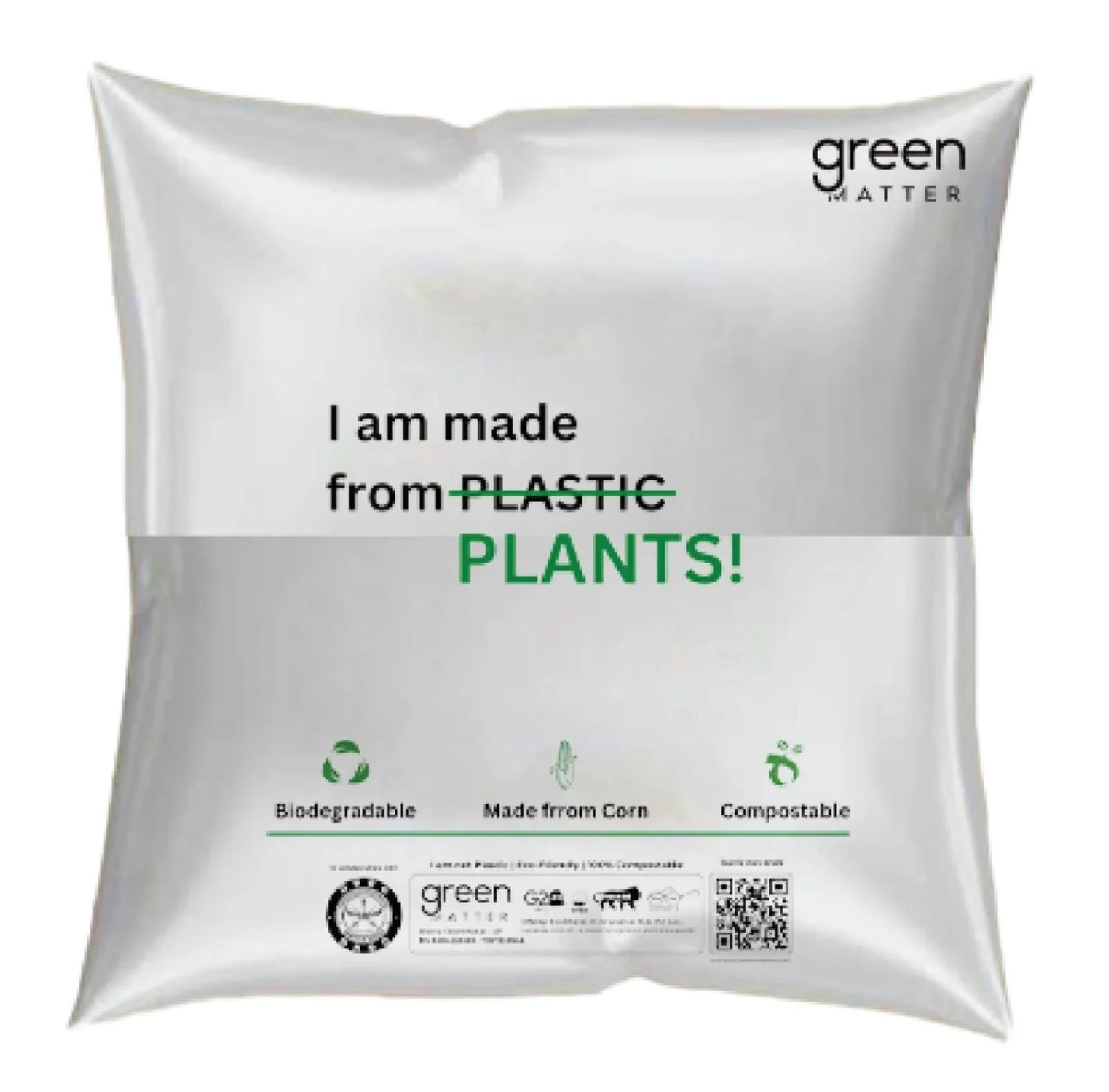
Biodegradable waste refers to organic materials that can naturally decompose through the action of microorganisms like bacteria and fungi. Unlike harmful synthetic materials, this type of waste breaks down into natural elements such as carbon dioxide, water, and compost without leaving toxic residues behind. Common biodegradable waste examples include food scraps, garden leaves, paper, and certain natural fabrics.
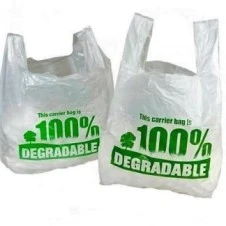
On the other hand, non biodegradable waste—such as plastics, glass, and metals—cannot decompose naturally. These materials can remain in the environment for hundreds of years, causing long-term harm to ecosystems. Understanding the difference between these two types of waste is essential for proper waste management.
Biodegradable Waste Examples in Daily Life
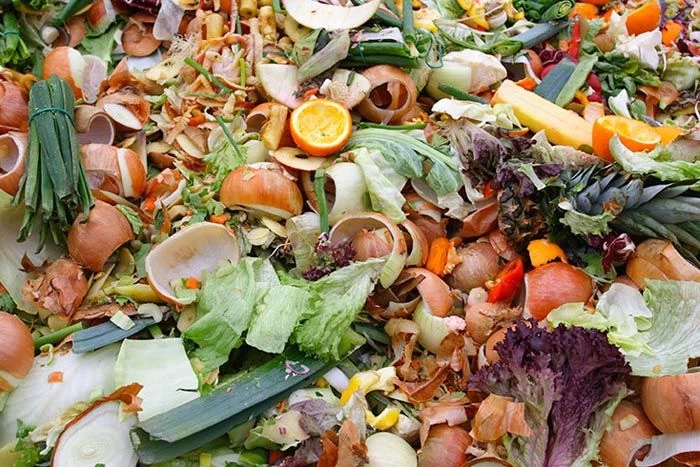
Biodegradable waste is all around us, especially in our homes, offices, and gardens. Some everyday examples include:
- Kitchen Waste – Fruit peels, vegetable scraps, eggshells, coffee grounds, and leftover food.
- Garden Waste – Grass clippings, dried leaves, flowers, and branches.
- Paper Products – Newspapers, cardboard, and tissue paper (free from plastic coating).
- Natural Fabrics – Cotton, silk, and jute products.
These biodegradable waste examples highlight how much of our daily waste can be composted or reused instead of being sent to landfills.
Benefits of Biodegradable Waste for the Environment
- Reduces Landfill Waste
- By composting organic materials, we can significantly decrease the volume of waste that ends up in landfills, thereby reducing methane emissions and foul odors.
- Improves Soil Quality
- When biodegradable waste is composted, it transforms into nutrient-rich compost that enhances soil fertility, improves water retention, and supports healthy plant growth.
- Prevents Pollution
- Unlike non biodegradable waste, biodegradable materials break down harmlessly, preventing the release of harmful chemicals into the environment.
- Promotes Sustainable Living
- Managing biodegradable waste encourages eco-friendly practices like composting, gardening, and organic farming, reducing our dependency on chemical fertilizers.
Proper Management of Biodegradable Waste
Knowing what is biodegradable waste is only the first step—managing it properly is equally important. Here are some effective methods:
- Home Composting – Turn your kitchen and garden waste into organic compost using a compost bin or pit.
- Vermicomposting – Use earthworms to break down organic waste into nutrient-rich vermicompost.
- Community Composting – Participate in local composting programs where households collectively process their biodegradable waste.
- Biogas Production – Convert biodegradable waste into renewable energy in the form of biogas for cooking or electricity.
Biodegradable vs Non Biodegradable Waste: Why the Difference Matters
Mixing biodegradable waste with non biodegradable waste makes recycling and composting more difficult. Plastics, metals, and glass do not break down naturally and can contaminate organic waste streams. By separating waste at the source, we can ensure that biodegradable materials are processed efficiently while non-biodegradable items are sent for proper recycling
Conclusion
Biodegradable waste is more than just “trash”—it is a valuable resource that, when managed properly, can restore soil health, reduce pollution, and contribute to a sustainable future. By learning what is biodegradable waste, identifying everyday biodegradable waste examples, and keeping it separate from non biodegradable waste, we can all play a part in protecting our planet.The journey to a greener world begins with small changes, and managing biodegradable waste effectively is one of the most impactful steps we can take today.




























Sign in to leave a comment.