

Selecting the appropriate truck class is one of the most important decisions a business can make when investing in commercial trucks. The right vehicle directly impacts operational efficiency, regulatory compliance, fuel consumption, and long-term profitability. Choosing the wrong class, however, can lead to unnecessary expenses, underperformance, or compliance issues.
From small delivery operations to construction and logistics enterprises, different trucks are designed for specific workloads. Understanding how each class functions will help you align vehicle capability with business demands.
This guide breaks down classifications, practical considerations, and cost factors to help you make an informed decision.
Understanding Truck Class Categories
In North America, classification is based primarily on Gross Vehicle Weight Rating (GVWR). Each truck class corresponds to a specific weight range and operational capability.
Overview of Truck Classes
- Class 1–3: Light-duty vehicles
- Class 4–6: Medium-duty vehicles
- Class 7–8: Heavy-duty vehicles
Each class serves a distinct commercial purpose. Light trucks are commonly used for urban deliveries, while higher classes handle freight hauling and construction loads.
Understanding classification ensures your business remains compliant with weight regulations and licensing requirements.
Light-Duty Vehicles: Flexibility and Cost Efficiency
Light-duty trucks are typically used for local transport and service-based industries. This truck class is ideal for businesses requiring maneuverability and lower acquisition costs.
Best Applications
- Parcel delivery
- Landscaping services
- Maintenance crews
- Small equipment transport
Benefits of choosing this class include lower fuel consumption and simplified driver licensing. However, exceeding capacity limits can strain components and reduce vehicle lifespan.
For businesses operating in dense urban environments, light trucks often provide the best balance of efficiency and accessibility.
Medium-Duty Trucks: Versatile Workhorses
The mid-range class is commonly used across industries that require greater payload capacity without transitioning into heavy freight hauling.
A medium duty truck offers increased durability, stronger suspension systems, and improved towing capacity compared to lighter commercial trucks.
Common Uses
- Box truck deliveries
- Utility services
- Regional freight routes
- Construction supply transport
This class strikes a balance between capability and operating cost. Businesses that require moderate hauling capacity often find this category ideal.
Heavy-Duty Trucks: Maximum Capacity
Heavy duty trucks fall within the highest truck class categories and are built for substantial loads and long-distance transport.
Typical Applications
- Long-haul freight
- Dump trucks
- Cement mixers
- Tractor-trailers
Selecting this class is essential for industries handling bulk materials or cross-country logistics. While these trucks offer superior power, they require higher maintenance budgets and specialized licensing.
Key Factors to Consider When Choosing a Class
Selecting the right class requires evaluating operational needs carefully.
1. Payload Requirements
Exceeding recommended weight limits damages commercial trucks and increases liability risk. Determine your average and maximum load before selecting a class.
2. Route Type
Urban delivery routes favor lighter trucks, while highway freight operations require higher class capabilities.
3. Licensing and Compliance
Each class may require different driver certifications and regulatory adherence. Compliance considerations should factor into purchasing decisions.
4. Budget Constraints
Upfront costs, insurance, fuel expenses, and maintenance vary across trucks. Higher truck class vehicles typically involve greater long-term operating expenses.
Cost Comparison by Class
Below is a simplified comparison:
| Class | Typical Use | Initial Cost | Maintenance Cost | Fuel Efficiency |
| Light-Duty | Urban delivery | Lower | Moderate | Higher |
| Medium-Duty | Regional hauling | Moderate | Moderate-High | Moderate |
| Heavy-Duty | Freight transport | High | High | Lower |
Choosing the right class involves balancing capability with operational budget.
Maintenance Implications
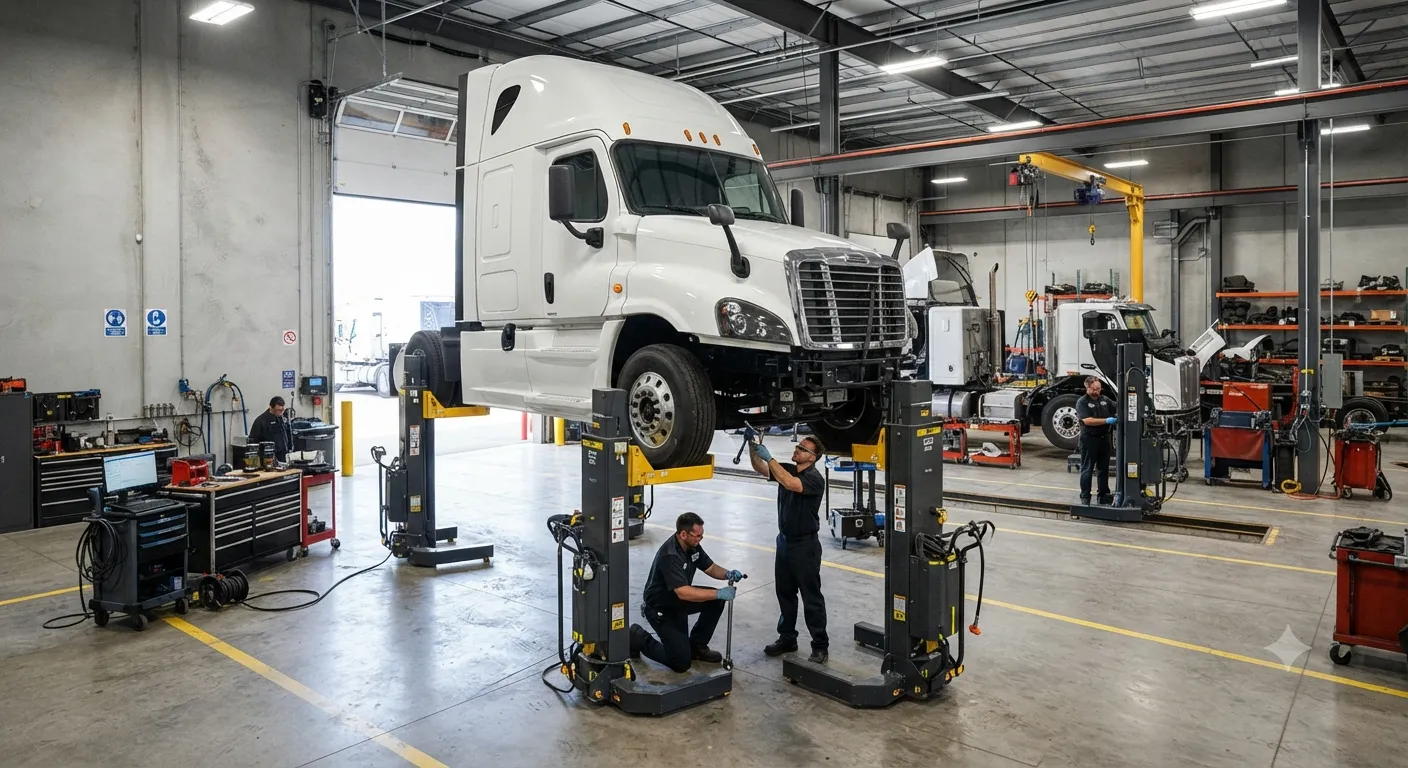
Maintenance requirements increase with vehicle capacity. Larger trucks require more frequent inspections and higher-cost parts.
Maintenance Considerations
- Light class vehicles require standard service intervals.
- Medium class vehicles require reinforced suspension checks.
- Heavy class vehicles demand advanced diagnostics and drivetrain servicing.
Understanding these requirements ensures accurate long-term budgeting.
Fuel Efficiency and Operational Impact
Fuel consumption varies significantly across commercial trucks. A higher class generally consumes more fuel due to engine size and payload demands.
Selecting an oversized truck class for light loads wastes fuel and increases expenses. Conversely, undersized trucks may struggle under heavy workloads, leading to premature wear.
Matching operational demands with the correct class ensures optimal efficiency.
Industry-Specific Recommendations
Different industries rely on specific class categories.
Construction
Heavy commercial trucks often handle bulk materials, while mid-range vehicles transport tools and supplies.
Logistics
Delivery companies frequently use light trucks for last-mile operations and medium truck class vehicles for regional distribution.
Service Providers
Utility and repair businesses often rely on a mid-tier class to balance storage capacity with mobility.
Future-Proofing Your Investment
Business growth should influence your class decision. Purchasing commercial trucks that accommodate future expansion prevents costly upgrades later.
Consider:
- Anticipated load increases
- Route expansion
- Regulatory changes
- Environmental standards
Consulting experienced providers like Adams Heavy Duty Contracting Ltd ensures that your vehicle selection aligns with long-term operational goals.
Common Mistakes to Avoid
When selecting a class, avoid these pitfalls:
- Overestimating load requirements
- Ignoring maintenance costs
- Overlooking licensing regulations
- Choosing based solely on upfront price
- Failing to consider resale value
Careful evaluation prevents costly miscalculations.
Conclusion
Choosing the appropriate class is a strategic decision that influences operational efficiency, compliance, and profitability. Whether selecting light commercial trucks for urban deliveries or heavy-duty units for freight hauling, aligning vehicle capability with business needs is essential.
Evaluating payload requirements, fuel efficiency, maintenance costs, and long-term growth plans ensures the right investment. By understanding truck classification standards and comparing operational demands, businesses can make informed purchasing decisions that maximize performance and minimize unnecessary expenses.
Selecting the correct class not only improves day-to-day operations but also strengthens financial sustainability over time.
Need expert guidance selecting the right class for your business? Contact Adams Heavy Duty Contracting Ltd today for professional advice and tailored commercial truck solutions that fit your operational goals.
FAQs
1. What determines a class?
Class is determined primarily by Gross Vehicle Weight Rating (GVWR), which defines weight capacity and regulatory requirements.
2. How do I know which commercial trucks are right for my business?
Evaluate payload needs, operating routes, fuel costs, and compliance requirements before selecting a vehicle.
3. Is a higher class always better?
No. Choosing a higher class than necessary increases fuel and maintenance costs without added benefit.
4. Are maintenance costs significantly different between classes?
Yes. Larger commercial trucks generally require more frequent and expensive servicing.
5. Can I upgrade to a higher class later?
Yes, but upgrading commercial trucks later can involve additional licensing, insurance adjustments, and higher capital investment.





























Sign in to leave a comment.