
In the dynamic realm of user interface (UI) and user experience (UX) design, every pixel plays a pivotal role in shaping the way users perceive and interact with digital products. Among the myriad design elements, color stands out as a powerful tool that not only enhances aesthetics but also influences user emotions and behavior. Understanding the principles of color psychology in UI/UX is key to crafting emotionally resonant experiences that captivate and engage users.
The Impact of Color on Emotions:
Color psychology explores the relationship between colors and human emotions, shedding light on how different hues can evoke specific feelings and reactions. In the context of UI/UX design, this knowledge can be harnessed to create interfaces that resonate with users on a deeper, emotional level.
Warm vs. Cool Tones:
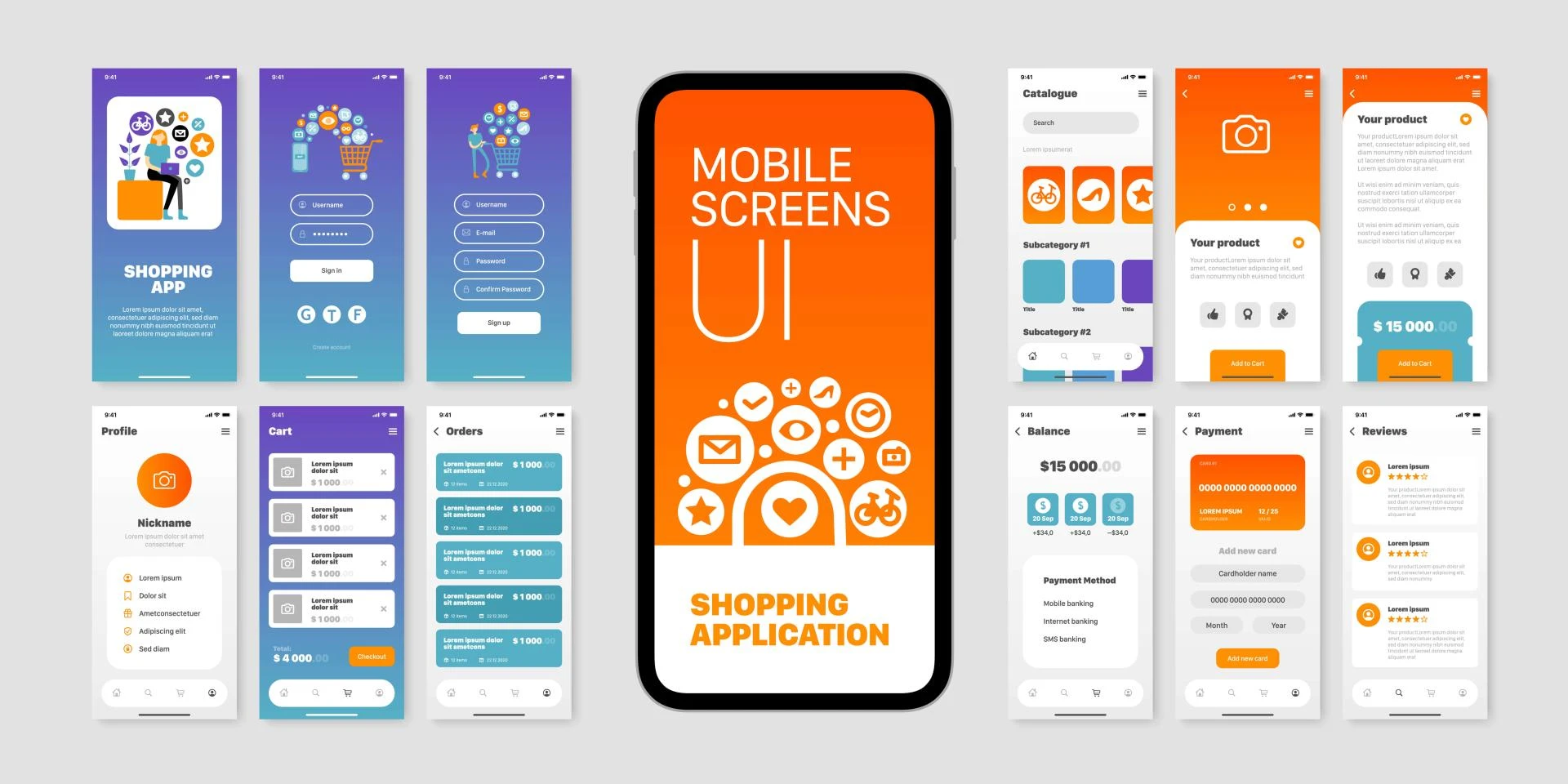
Warm colors like reds, oranges, and yellows are often associated with energy, passion, and warmth. In UI/UX, these tones can be strategically employed to convey a sense of urgency or draw attention to important elements. On the other hand, cool colors such as blues and greens evoke feelings of calmness, trust, and professionalism, making them ideal for applications where a sense of stability is crucial.
Brand Identity and Consistency:
Color is a fundamental component of brand identity, and maintaining consistency across a digital product is imperative for brand recognition. A well-thought-out color scheme reinforces brand personality and helps users establish a connection with the product. When users consistently encounter a brand's signature color palette, it fosters a sense of familiarity and trust.
Cultural Considerations:
Colors carry cultural connotations that can significantly impact how users perceive a product. Understanding cultural nuances is crucial, especially in a globalized digital landscape where products are accessed by users from diverse backgrounds. For example, while white is associated with purity in Western cultures, it symbolizes mourning in some Asian cultures. Being mindful of these cultural subtleties ensures that color choices resonate positively with a broad audience.
Accessibility and Inclusivity:
Inclusive design is a cornerstone of effective UI/UX, and color plays a pivotal role in ensuring accessibility. Consideration must be given to users with visual impairments, color blindness, or other disabilities. Utilizing color contrast, alternative text, and other accessible design practices not only caters to a broader audience but also aligns with ethical design principles.
Call-to-Action and User Engagement:
Strategic use of color can guide users through a digital experience and prompt desired actions. Calls-to-action (CTAs) often leverage bold and contrasting colors to stand out, encouraging users to click, sign up, or make a purchase. Understanding the psychological impact of colors on user behavior allows designers to optimize CTAs for maximum effectiveness.
Conclusion
Color psychology is a powerful tool that should be wielded with precision in UI/UX design. By understanding the emotional impact of different colors, designers can create interfaces that not only look visually appealing but also evoke the desired emotional response from users. Crafting experiences that resonate emotionally enhances user satisfaction, fosters brand loyalty, and ultimately contributes to the success of digital products in a competitive landscape. As UI/UX designers, let's paint the digital canvas with mindful strokes of color to create experiences that leave a lasting impression.
Visit my Upwork profile for - UI/UX design, Web design & Mobile design


























Sign in to leave a comment.