
In the fast-paced digital era, where users have myriad choices at their fingertips, capturing and retaining their attention is a perpetual challenge. User Interface (UI) and User Experience (UX) design play pivotal roles in shaping the online landscape, influencing how users interact with websites, apps, and digital platforms. In this blog, we delve into the importance of designing for delight, exploring how UI/UX design can be a game-changer in ensuring user satisfaction.
Understanding UI/UX Design:
Before delving into the impact of UI/UX design on user satisfaction, it's essential to understand these terms. UI design focuses on the look and feel of a product, encompassing elements like color schemes, buttons, and visual aesthetics. On the other hand, UX design is concerned with the overall user experience, including factors such as ease of use, accessibility, and overall satisfaction during interactions with a product.
The First Impression:
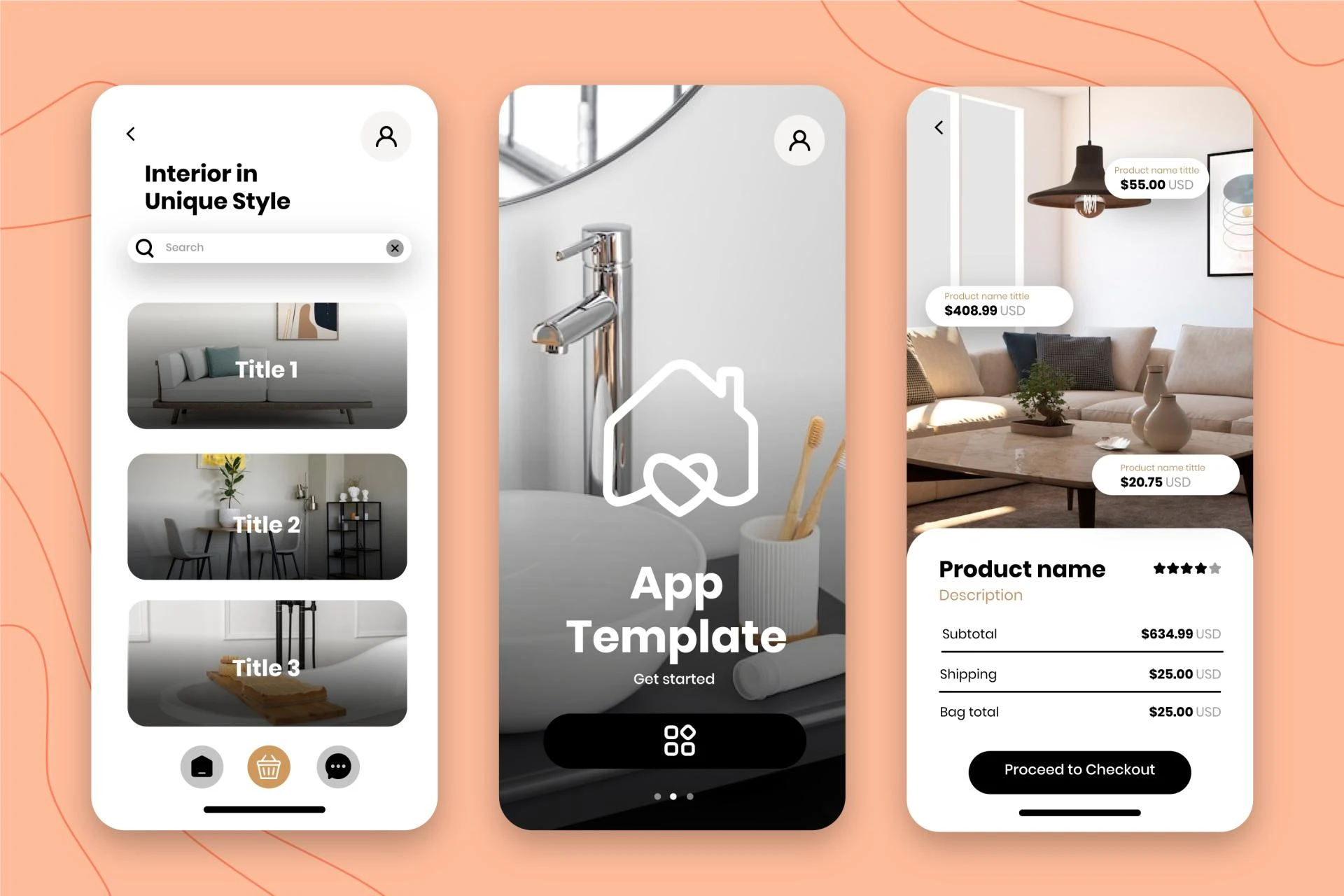
They say, "First impressions last." When it comes to digital platforms, this adage holds true. The UI is the first thing users encounter, and a well-designed interface can leave a lasting positive impression. Intuitive navigation, visually appealing layouts, and a seamless user journey contribute to a positive first encounter, setting the stage for a delightful user experience.
Creating Emotional Connections:
UI/UX design goes beyond mere functionality; it's about creating emotional connections. Users are more likely to engage and return to a platform that not only meets their needs but also evokes positive emotions. Thoughtful design choices, such as engaging animations, personalized interactions, and empathetic user interfaces, contribute to a sense of connection, fostering user satisfaction.
Enhancing Usability:
User satisfaction is closely tied to usability. An intuitive and user-friendly interface ensures that users can easily navigate and accomplish tasks without frustration. Well-designed UI elements guide users seamlessly through the digital journey, eliminating confusion and reducing the learning curve. This enhanced usability directly translates into higher satisfaction levels.
The Role of Feedback:
Effective UI/UX design incorporates user feedback loops. Understanding user preferences, pain points, and suggestions allows designers to iterate and improve the design continually. This iterative process, fueled by user feedback, ensures that the UI/UX remains aligned with evolving user expectations, leading to sustained satisfaction over time.
Consistency is Key:
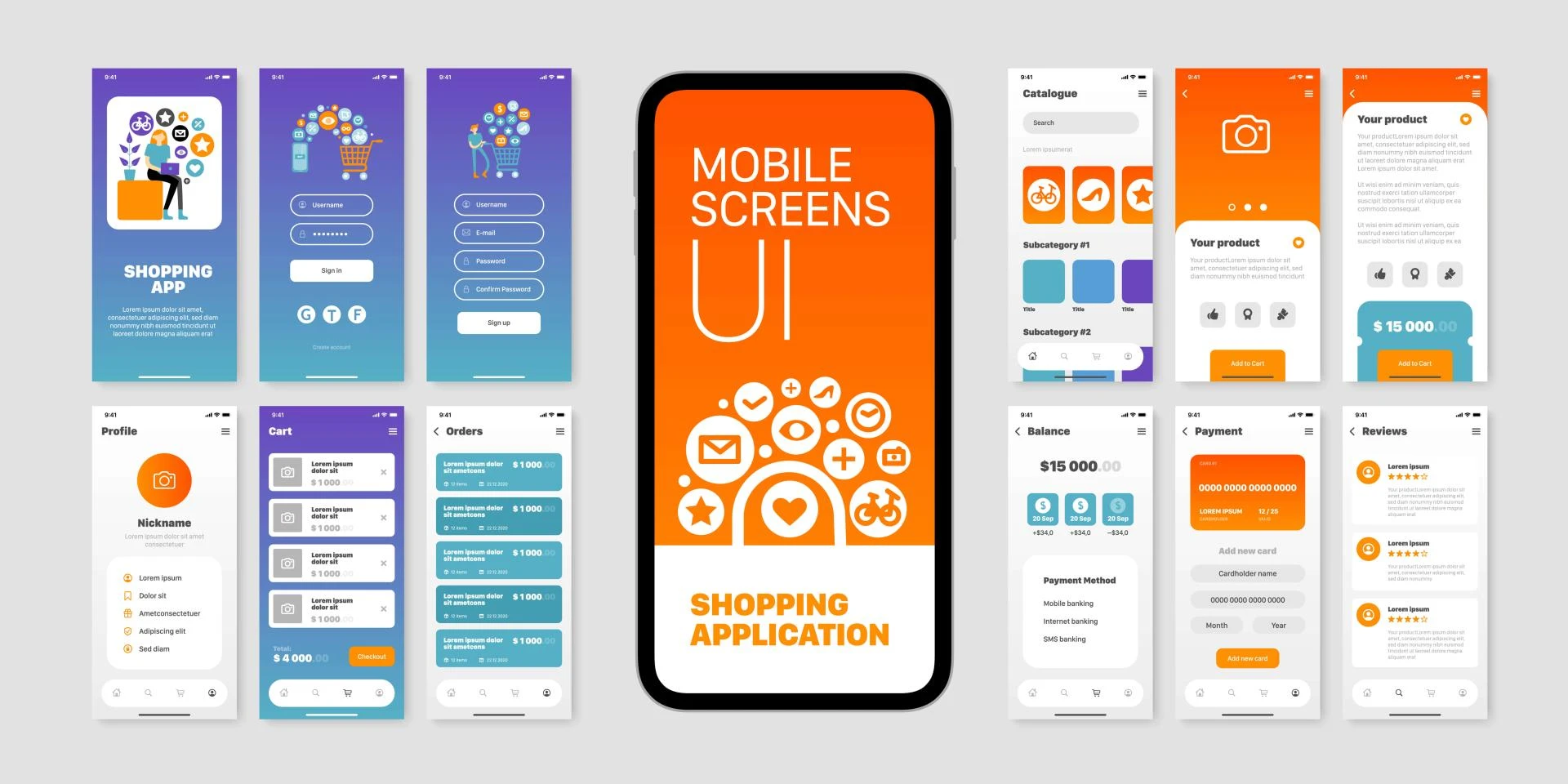
Consistency in design elements across a digital platform is crucial. From color schemes to button placements, maintaining a cohesive visual language enhances user familiarity and comfort. Users appreciate a predictable and consistent interface, as it minimizes cognitive load and allows for a smoother user experience, ultimately contributing to higher satisfaction levels.
Accessibility Matters:
A truly satisfying user experience is inclusive and accessible to all. UI/UX designers must prioritize accessibility features, ensuring that the digital platform is usable by individuals with diverse needs and abilities. By designing with accessibility in mind, designers contribute to a more inclusive digital environment, enhancing satisfaction for a broader user base.
Conclusion
Designing for delight is at the core of UI/UX principles. A well-crafted user interface coupled with an enriching user experience not only captures user attention but also fosters lasting satisfaction. As digital landscapes continue to evolve, businesses and designers must recognize the pivotal role of UI/UX in shaping positive user perceptions and driving long-term success. The art of designing for delight is not just a trend; it's a strategic imperative in the competitive world of digital experiences.
Visit my Upwork profile for - UI/UX design, Web design & Mobile design




























Sign in to leave a comment.