
In the ever-changing landscape of technology, the evolution of User Interface (UI) and User Experience (UX) design has been nothing short of remarkable. From the humble beginnings of basic interfaces to the sophisticated techniques employed today, the journey of UI/UX design has been marked by innovation, creativity, and a deep understanding of user needs. In this blog post, we will delve into the transformative journey of UI/UX design, exploring its roots, milestones, and the advanced techniques that shape the digital experiences we encounter daily.
1. The Genesis of UI/UX: Foundations and Basics
The roots of UI/UX design can be traced back to the early days of computing when user interfaces were minimalistic and primarily text-based. The emphasis was on functionality rather than aesthetics. As technology advanced, graphical user interfaces (GUIs) emerged, introducing icons, buttons, and a more visually intuitive approach. The basics of UI/UX were established during this era, setting the groundwork for future developments.
2. Rise of User-Centered Design: Putting Users First
A significant turning point in UI/UX design came with the shift towards user-centered design principles. This approach prioritized understanding user behavior, needs, and preferences. Designers began to focus on creating interfaces that were not only visually appealing but also user-friendly. Usability testing and feedback loops became integral in refining designs, ensuring a seamless and enjoyable user experience.
3. Web 2.0 and the Birth of Responsive Design
The advent of Web 2.0 marked a new era for the internet, characterized by dynamic content, social media, and interactivity. UI/UX design adapted to these changes, giving rise to responsive design. Websites and applications needed to be accessible across various devices and screen sizes. Designers embraced fluid grids, flexible images, and media queries, ensuring a consistent experience regardless of the user's device.
4. Mobile Revolution: Designing for the Small Screen
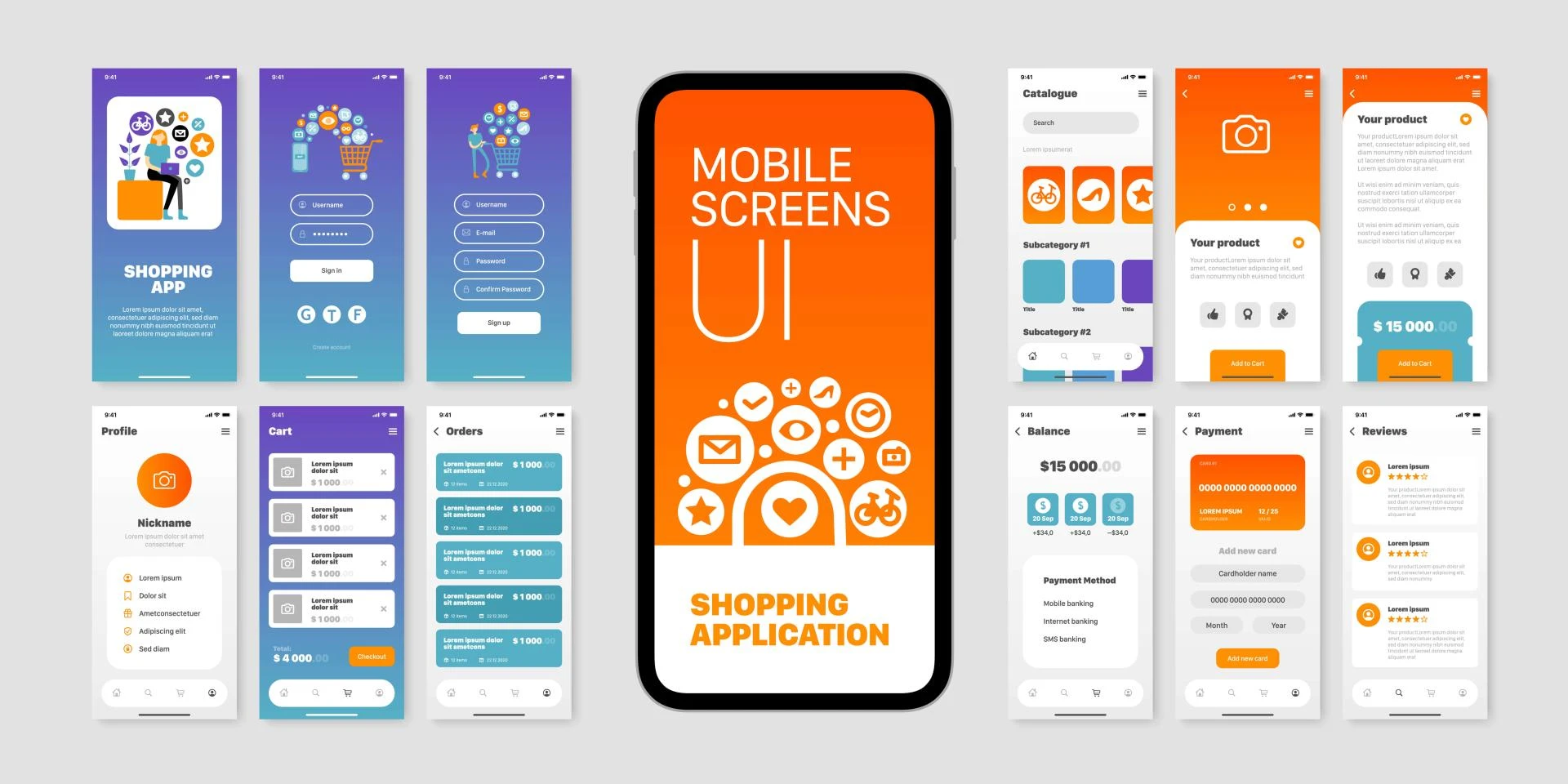
The widespread adoption of smartphones brought forth a paradigm shift in UI/UX design. With users accessing information on the go, designers faced the challenge of creating interfaces optimized for smaller screens. Mobile-first design principles emerged, emphasizing simplicity, clarity, and touch-friendly interactions. Gestures and swipes became integral components of mobile UI/UX, reflecting the evolution of user interaction.
5. Advanced Techniques: AI, AR, and Beyond
In the contemporary landscape, UI/UX design is propelled by advanced technologies such as Artificial Intelligence (AI) and Augmented Reality (AR). AI algorithms analyze user behavior to personalize experiences, while AR enhances reality by overlaying digital elements. These advanced techniques not only elevate the visual appeal of interfaces but also contribute to a more immersive and personalized user experience.
6. The Future of UI/UX: Continuous Innovation
As we look ahead, the future of UI/UX design holds the promise of continuous innovation. Virtual Reality (VR), voice interfaces, and immersive technologies are poised to redefine how users interact with digital content. Designers will need to stay at the forefront of these developments, balancing aesthetics with functionality to create meaningful and engaging experiences for users.
Conclusion
The evolution of UI/UX design has been a journey from basic interfaces to advanced, immersive experiences. The field continues to evolve, driven by the ever-changing landscape of technology and user expectations. From the foundational principles of user-centered design to the incorporation of cutting-edge technologies, UI/UX design remains a dynamic and pivotal aspect of the digital world. As designers, developers, and users alike, we can anticipate an exciting future where creativity and innovation will shape the way we interact with digital interfaces.
Visit my Upwork profile for - UI/UX design, Web design & Mobile design





























Sign in to leave a comment.