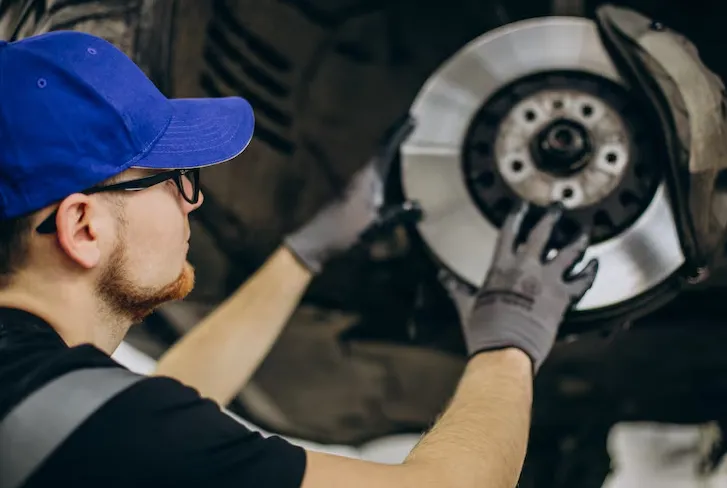

Your vehicle’s braking system depends on many connected parts working together, and one of the most important is the brake line. Brake line repair is often overlooked until a serious issue appears, yet these lines are responsible for carrying hydraulic fluid from the master cylinder to each wheel. When they become damaged, corroded, or blocked, braking performance can decline quickly. Understanding how brake lines function, what causes problems, and how to maintain them can help keep your vehicle safe and reliable.
What Are Brake Lines and Why Do They Matter?
Brake lines are narrow metal tubes and flexible rubber hoses that transport brake fluid under pressure. When you press the brake pedal, fluid moves through these lines to activate the brake calipers or wheel cylinders. This creates the friction needed to slow or stop the vehicle.
Because the system relies on pressure, even a small leak or weak spot can reduce braking power. Unlike cosmetic vehicle issues, brake line damage directly affects safety. A failing brake line can increase stopping distance or cause total brake failure if ignored for too long.
Common Causes of Brake Line Damage
Brake lines are built to last, but they are constantly exposed to harsh road conditions. Over time, wear and environmental factors can lead to problems.
Corrosion and Rust
Metal brake lines are vulnerable to rust, especially in areas where roads are treated with salt during winter. Moisture, dirt, and road grime collect under the vehicle and slowly weaken the lines.
Age and Wear
As vehicles get older, both metal and rubber components deteriorate. Flexible hoses may crack, swell, or become brittle, while metal lines may thin out over time.
Physical Damage
Brake lines can be bent, crushed, or punctured by road debris, accidents, improper jack placement, or contact with other damaged suspension parts.
Contaminated Brake Fluid
Old or dirty brake fluid absorbs moisture, which can lead to internal corrosion. This can damage the inside of brake lines and other hydraulic components.
Warning Signs You May Need Brake Line Repair
Brake line problems often give noticeable warning signs before complete failure occurs. Paying attention to these symptoms can prevent larger repairs.
Soft or Spongy Brake Pedal
If the brake pedal feels soft or sinks lower than normal, air or fluid loss in the brake system may be the cause.
Visible Fluid Leaks
Brake fluid is usually clear to amber in color. If you notice puddles or damp spots near the wheels or under the middle of the vehicle, a leaking brake line may be responsible.
Brake Warning Light
Dashboard brake warning lights can signal several issues, including low brake fluid caused by a leaking line.
Longer Stopping Distance
If your vehicle takes more time or distance to stop, reduced hydraulic pressure may be affecting braking performance.
Uneven Braking
A damaged line can prevent one wheel from receiving equal pressure, causing pulling or uneven braking.
How Brake Line Repair Is Performed
The repair process depends on the location and severity of the damage. In some cases, only a section needs replacement. In others, full line replacement is the safer option.
Inspection and Diagnosis
A technician begins by checking the entire brake system, including lines, hoses, fluid level, fittings, and brake components. The source of leaks or weakness must be identified accurately.
Removing the Damaged Section
Corroded or leaking sections of metal line are removed. If flexible hoses are cracked or swollen, they are replaced entirely.
Installing New Lines
Replacement lines may be pre-formed or custom bent to match the vehicle’s routing. Proper fitment is essential to prevent rubbing, kinks, or movement.
Bleeding the Brake System
After installation, air must be removed from the hydraulic system. This process restores firm pedal feel and proper brake pressure.
Final Testing
The system is tested for leaks, pedal response, and road performance before the vehicle is returned.
Can You Drive With a Damaged Brake Line?
Driving with a compromised brake line is risky. Even a small leak can worsen without warning. Brake fluid may escape rapidly, leaving little or no stopping power. If you suspect a brake line issue, the safest choice is to have the vehicle inspected immediately rather than continue driving.
How to Prevent Brake Line Problems
Routine maintenance can greatly reduce the chance of sudden brake line failure.
Wash the Undercarriage
Road salt and mud accelerate corrosion. Cleaning the underside of the vehicle, especially after winter driving, helps protect metal lines.
Replace Brake Fluid on Schedule
Brake fluid absorbs moisture over time. Regular fluid replacement helps prevent rust inside the system and improves braking consistency.
Inspect During Service Visits
Ask for brake line inspections during tire rotations, oil changes, or annual maintenance. Early signs of rust or wear are easier and less expensive to address.
Fix Mounting Issues
Loose brackets or clips can allow brake lines to vibrate or rub against metal parts. Secure routing prevents unnecessary wear.
Address Warning Signs Quickly
A soft pedal, fluid leak, or warning light should never be delayed. Fast attention can prevent larger system damage.
Cost Factors in Brake Line Repair
Repair pricing depends on several variables, including:
- Vehicle make and model
- Extent of corrosion or damage
- Whether one section or multiple lines need replacement
- Labor time for difficult access areas
- Brake fluid replacement and bleeding requirements
Older vehicles with widespread rust may need more extensive repairs than newer vehicles with isolated damage.
Importance of Professional Service
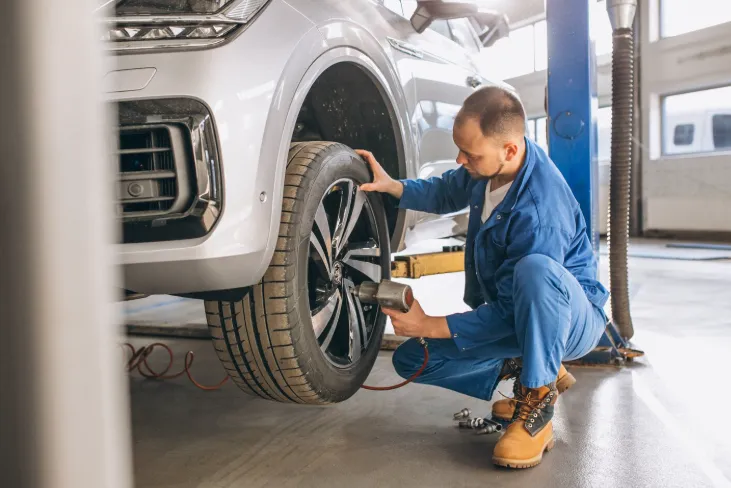
Brake systems are precision safety components. While some vehicle owners attempt do-it-yourself repairs, improper flaring, poor routing, or incomplete bleeding can create dangerous results. Professional technicians use the right tools and materials to restore safe braking performance.
Using correct brake line material also matters. Some vehicles require coated steel, stainless steel, or specific flexible hose designs. Proper installation ensures durability and compliance with manufacturer standards.
Long-Term Brake System Health
Brake lines are only one part of the braking system. Keeping pads, rotors, calipers, fluid, and hoses in good condition supports better overall performance. A complete brake inspection can identify related wear before it becomes a costly issue.
When brake lines fail, surrounding components may also need attention due to fluid contamination or uneven wear. Treating the system as a whole is the best approach for long-term reliability.
Final Thoughts
Brake lines work quietly in the background, but their role is critical every time you slow down or stop. Rust, leaks, and age-related wear can compromise performance long before total failure happens. Recognizing warning signs early and scheduling prompt repairs protects both your vehicle and everyone on the road.
Consistent inspections, fluid changes, and timely maintenance can extend the life of your braking system. If you notice unusual pedal feel, leaks, or reduced stopping power, do not wait to seek professional brake service.
























Sign in to leave a comment.